BY DANIEL BAMPOE
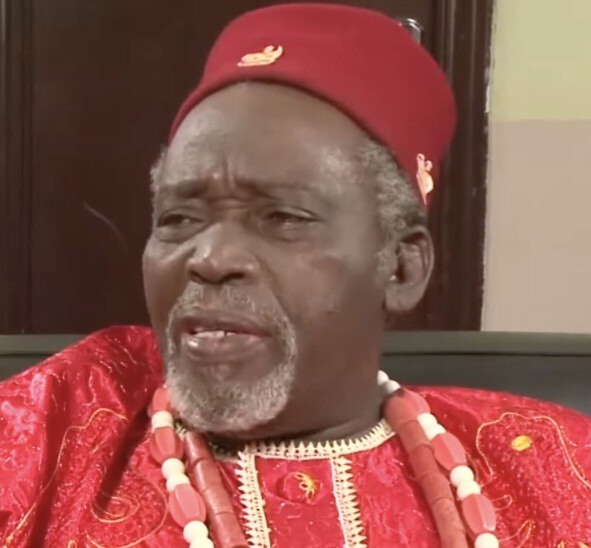
Nigeria’s film industry is mourning one of its most influential figures after veteran actor Olu Jacobs died at the age of 84, bringing to an end a remarkable career that stretched across more than five decades and helped establish the foundations of modern Nollywood.
Born Oludotun Baiyewu Jacobs on July 11, 1942, Jacobs died on Wednesday, September 16, 2026. His death closes the chapter on the extraordinary journey of an actor whose career crossed continents, theatrical traditions and generations of African audiences.
Long before he became one of Nollywood’s most recognisable faces, Jacobs was a young boy growing up in Kano with an emerging fascination for performance and public speaking.
Although Jacobs was born to parents of Egba Alake heritage, much of his childhood was spent in Kano, where he attended Holy Trinity School.
His early involvement in debating and drama societies gave him an opportunity to develop the confidence, voice and stage presence that would later become hallmarks of his acting career.
But the experience that would change the direction of his life came when he attended one of the annual concert parties staged by legendary Nigerian theatre pioneer Chief Hubert Ogunde at the Colonial Hotel in Kano.
Watching Ogunde perform reportedly left a lasting impression on the young Jacobs. The encounter convinced him that acting could be more than a school activity. It could become a profession.
He subsequently obtained a visa and travelled to Britain, embarking on a journey that would take him from Kano to one of the world’s most prestigious drama schools.
In London, Jacobs enrolled at the Royal Academy of Dramatic Art (RADA), receiving formal training that laid the foundation for an international stage and screen career.
His professional theatre career began in 1972 when he appeared as The Boy in A Taste of Honey at the newly opened Crucible Theatre in Sheffield.
British television soon followed. During the 1970s, Jacobs appeared in a series of television productions, including The Goodies, Till Death Us Do Part, Barlow at Large, The Venturers, Angels, 1990, The Tomorrow People and The Professionals.
His career was not confined to television.
In 1978, he played President Mageeba in the West End production of Tom Stoppard’s Night and Day, further establishing himself as a serious stage performer.
For an actor who had left Nigeria after being inspired by a theatre performance in Kano, appearing in London’s West End represented a remarkable transformation.
Jacobs continued expanding his international profile during the 1980s. He appeared in John Irvin’s war film The Dogs of War, Roman Polanski’s 1986 adventure-comedy Pirates, and the 1985 family adventure film Baby: Secret of the Lost Legend.
His British television credits also included The Witches and The Grinnygog. By the time Jacobs eventually returned to Nigeria, he had already accumulated substantial experience in theatre, television and international cinema.
Jacobs returned to Nigeria in 1990 and quickly became a major figure in the country’s rapidly developing television and film industry.
One of his early major roles after returning home was as the lead character in the NTA detective series The Third Eye.
That homecoming marked the beginning of the chapter for which millions of African viewers would ultimately remember him.
Over the following decades, Jacobs appeared in more than 120 Nollywood films, portraying characters that ranged from traditional rulers and wealthy businessmen to politicians, fathers, chiefs, villains and authority figures.
His commanding voice, measured delivery and ability to portray powerful personalities made him one of the defining faces of Nigerian cinema.
His popularity also extended beyond films. He appeared in television commercials for brands including Ribena and Binatone, demonstrating the extent of his mainstream appeal.Away from the screen, Jacobs’ personal life was closely connected to another major figure in Nigerian entertainment.
He married fellow actor Joke Silva in 1989, and together they became one of the industry’s most enduring celebrity couples.
Their marriage was notable not only because both were accomplished actors but also because they continued to build individual careers while supporting each other’s professional journeys.
Silva retained her professional name after marriage, and Jacobs publicly defended her decision, arguing that she had established her own identity before becoming his wife. The couple had two children.