BY GRACE ZIGAH
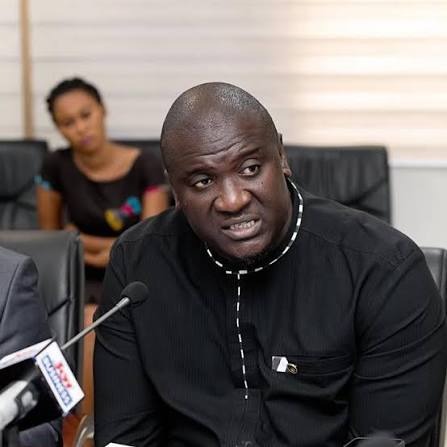
Former Member of Parliament for Lawra, Anthony Abayifaa Karbo, has weighed in on the growing public debate over the operations of the Ghana Gold Board (GoldBod), cautioning that prayer and personal faith cannot replace effective governance, sound policy, and institutional accountability.
Karbo’s comments followed remarks by the General Overseer of Action Chapel International, Archbishop Nicholas Duncan-Williams, who called on Ghanaians to pray for GoldBod, saying the institution was facing what he described as a “very powerful movement” opposed to efforts to ensure that the right things are done in Ghana’s gold sector.
In a social media response to the remarks, Karbo acknowledged the importance of faith in the lives of individuals. Still, he argued that the challenges confronting public institutions require practical solutions beyond religious intervention.
“You have raised a critical point about governance,” Karbo stated.
He stressed that while prayer and personal faith could provide comfort and encouragement, they should not be regarded as substitutes for effective public policy, institutional accountability and active participation by citizens in governance.
According to him, the effectiveness of Ghana’s democratic system depends largely on transparent decision-making, evidence-based policies and public officials being answerable to the citizens they serve.
The former legislator argued that public confidence could suffer when political or religious rhetoric is allowed to replace concrete action in addressing national problems.
“When rhetoric replaces action, trust erodes, and real problems go unsolved,” he said.
His comments come at a time when GoldBod has become a major focus of public discussion following efforts by the government to restructure the gold trading system and tighten controls over the purchase and export of gold.
Archbishop Duncan-Williams, speaking during a church service, had raised concerns about what he described as powerful interests seeking alternative channels into Ghana’s formal gold market after finding it increasingly difficult to obtain gold through illegal means.
The Archbishop said he had received calls from individuals in countries where Ghanaian gold was previously purchased through what he described as black-market channels.
According to him, some of those individuals were now seeking connections to influential people who could help them obtain gold through GoldBod.
He consequently urged Ghanaians to pray for the institution, saying GoldBod was dealing with individuals who were highly established, financially powerful and knowledgeable about the gold industry.
The Archbishop also linked the gold trade to the wider problem of illegal mining, warning about the impact of galamsey on the rivers, farmlands and food production.
He argued that political considerations should not prevent the enforcement of laws intended to protect the country’s natural resources and the interests of future generations.
It is against this backdrop that Karbo has shifted the emphasis towards governance and institutional responsibility.
He maintained that the response to challenges within the gold sector should include measurable results, strong institutions and mechanisms capable of ensuring that public officials and state agencies operate within the law.
“The remedy is to demand measurable results, protect institutional independence, and ensure that every public official remains accountable to the constitution and the citizens they serve,” he said.
Karbo’s intervention adds a governance dimension to the ongoing discussion over GoldBod and the government’s efforts to regulate the gold trade.
The debate has increasingly moved beyond gold purchasing and exports to questions about the effectiveness of state institutions, enforcement of mining laws, political influence and the country’s ability to protect its mineral resources.
The former MP therefore urged citizens to remain actively engaged in demanding accountability from those entrusted with public responsibility.
His position suggests that while prayer may form part of the response to national challenges, sustainable solutions ultimately require institutions that function effectively, policies based on evidence and public officials who can be held accountable for their decisions.