BY Nadia Ntiamoah
Pressure is mounting on the National Democratic Congress government to address the growing backlog of unemployed health professionals, as concerns intensify over staff shortages in health facilities across the country despite thousands of trained nurses and midwives remaining without permanent postings.
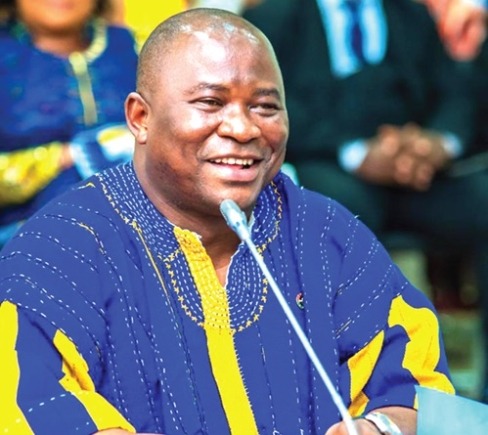
Leading the call is the Member of Parliament for Akyem Oda and Member of Parliament’s Select Committee on Health, Alexander Akwasi Acquah, who has questioned the government’s spending priorities and urged authorities to redirect resources toward the recruitment of trained healthcare workers.
According to the legislator, the healthcare system continues to face significant human resource challenges even as thousands of qualified nurses and midwives await financial clearance and employment.
He argues that the situation has created a contradiction in the health sector, where facilities are struggling with inadequate staffing levels while trained professionals remain unemployed.
The concerns come against the backdrop of a prolonged posting crisis affecting nurses and midwives who completed their training between 2021 and 2023. Many of these graduates have spent years waiting for permanent appointments despite successfully completing their professional training and licensure requirements.
For many of the affected health professionals, the delays have resulted in financial hardship and uncertainty. Some have been compelled to accept volunteer positions, temporary contracts, or seek alternative employment opportunities while waiting for government postings.
Others have repeatedly appealed to the Ministry of Health and the Ministry of Finance for intervention.
Akwasi Acquah believes the challenge requires urgent policy attention. He has argued that government should reassess its expenditure priorities and channel more resources toward strengthening healthcare delivery through the recruitment of essential health workers.
According to him, while infrastructure development remains important for national growth, investments in human resources for healthcare are equally critical and should not be overlooked.
He maintains that addressing the unemployment situation among trained nurses would simultaneously improve healthcare delivery and reduce pressure on overstretched health personnel working in hospitals and clinics across the country.
The issue has also attracted the attention of professional bodies within the health sector. The Ghana Registered Nurses and Midwives Association (GRNMA) and the Graduate Unemployed Nurses and Midwives Association (GUNMA) have consistently advocated for the immediate release of financial clearance for affected graduates.
These organizations argue that delays in recruitment are negatively affecting healthcare services, particularly in underserved communities where shortages of nurses and midwives continue to impact patient care.
They have repeatedly engaged government agencies, including the Ministry of Health and the Ministry of Finance, to accelerate the employment process.
Healthcare advocates have also joined the debate, emphasizing that investment in healthcare personnel is essential for achieving universal health coverage and improving health outcomes nationwide.
They contend that deploying trained professionals to facilities facing staff shortages would strengthen service delivery, reduce workload pressures on existing workers, and improve access to quality healthcare.
The posting backlog has become one of the most significant employment concerns within the public sector in recent years, with affected graduates frequently organizing advocacy campaigns and public appeals for action.