BY DANIEL BAMPOE
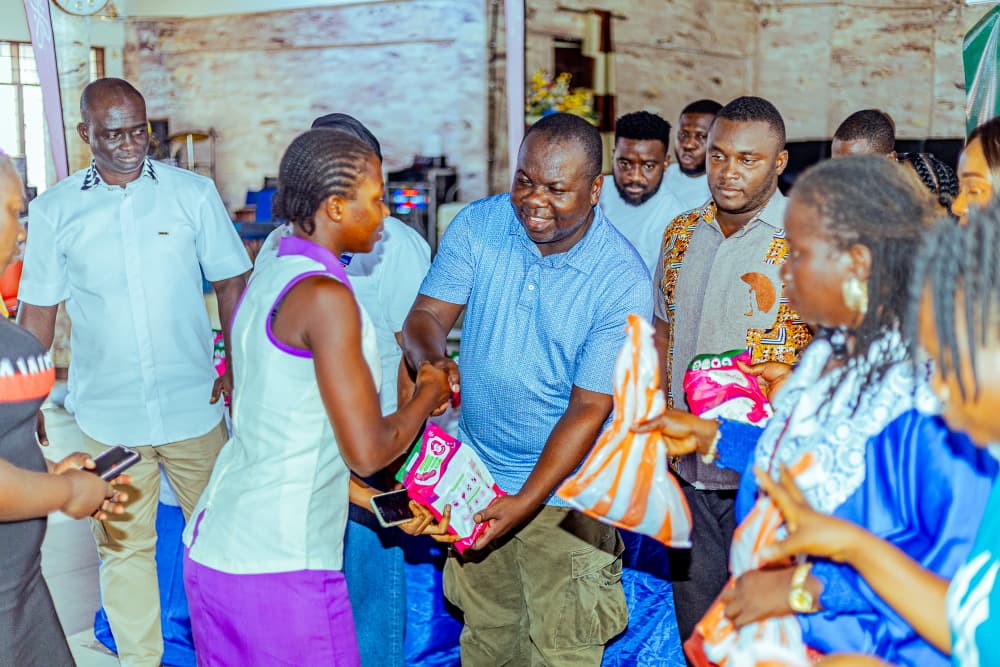
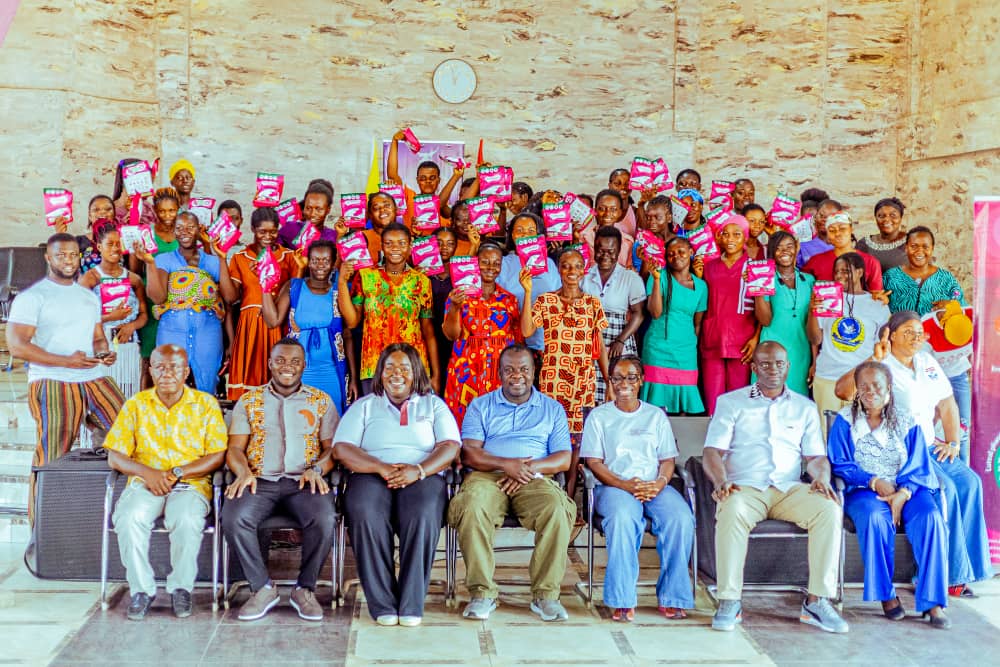
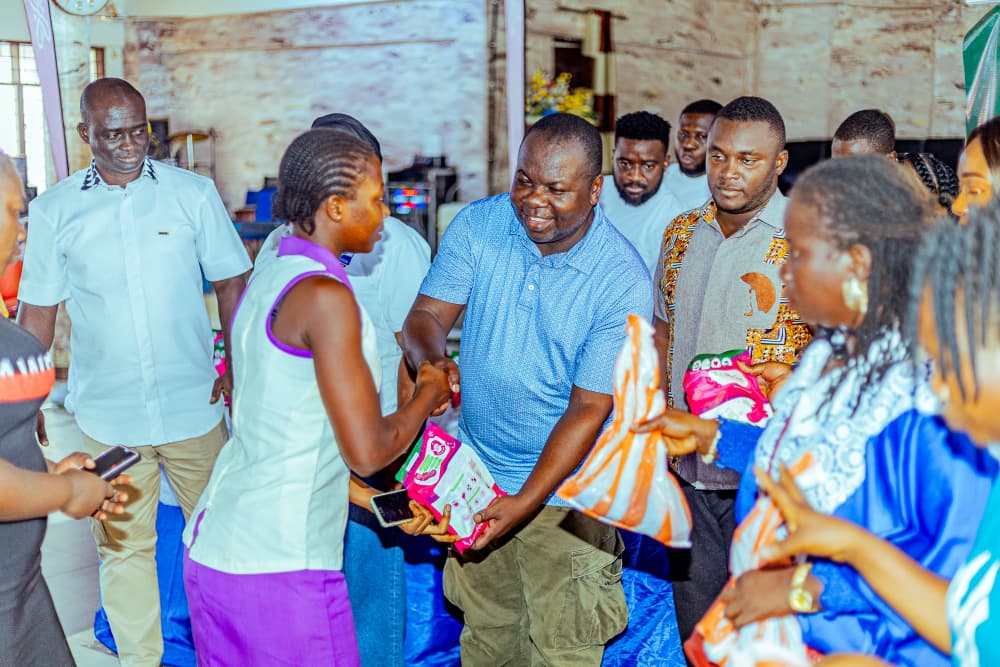
Member of Parliament for Suhum, Frank Asiedu Bekoe, popularly known as Protozoa, has partnered with the Frema Foundation to distribute more than 300 reusable menstrual pads to women and girls in the constituency as part of efforts to promote menstrual health, reduce the financial burden of menstruation and improve environmental sustainability.
The initiative, was scheduled for November 9, 2026, at the L.A. Nyarko Pentecost Church near Amponsah Market in Suhum, forms part of a community health outreach programme being undertaken under the theme, “Dignity in Every Cycle.”
The distribution is aimed at improving access to affordable and sustainable menstrual hygiene products, particularly for women and girls from vulnerable households who struggle to purchase disposable sanitary pads every month.
Speaking about the initiative, Asiedu Bekoe said the intervention was informed by the financial difficulties confronting many young women, particularly those learning trades and trying to establish themselves economically.
He explained that some vulnerable girls in the community struggle to raise money every month to purchase sanitary pads, making reusable alternatives an important intervention to ease their financial burden.
“I see poor and vulnerable girls who learn trades in the community who find it difficult to raise funds every month to buy a pad,” he said.
According to the MP, the reusable pads would provide beneficiaries with a more affordable option, helping them avoid the recurring expense of purchasing disposable sanitary products.
He described the initiative as a worthwhile investment in the health and economic well-being of women and girls, noting that a reusable pad could serve a beneficiary for an extended period without the need for monthly purchases.
The intervention also reflects a broader effort to address menstrual health challenges that are sometimes overlooked in community health discussions, particularly among women and girls who have limited financial resources.
Leading the team behind the initiative, Amdiya Abdul Latif said the decision to promote reusable menstrual pads followed concerns about the health challenges some women experience while using conventional disposable sanitary products.
She explained that some women suffer in silence from skin reactions, rashes and infections, which she associatedwith harsh chemicals and synthetic materials found in certain disposable pads.
According to her, the Equal Period reusable pads are made from specialised materials designed to absorb fluids effectively, prevent leakage and provide a safer and more comfortable menstrual experience.
She said the products are free from synthetic gels and chemicals commonly associated with conventional disposable alternatives, adding that the reusable pads are designed to promote women’s health while reducing environmental waste.
Ms Abdul Latif further explained that the initiative was not only about menstrual hygiene but also about protecting women’s finances and the environment.
She noted that the repeated purchase of disposable sanitary pads places a continuous financial burden on women, particularly those from low-income households, while the disposal of used products contributes to environmental waste.
The programme, under the message “Dignity in Every Cycle,” places menstrual health at the centre of community development and reinforces the need to ensure that financial difficulties do not prevent women and girls from managing their menstrual health with dignity.