By Daniel Bampoe
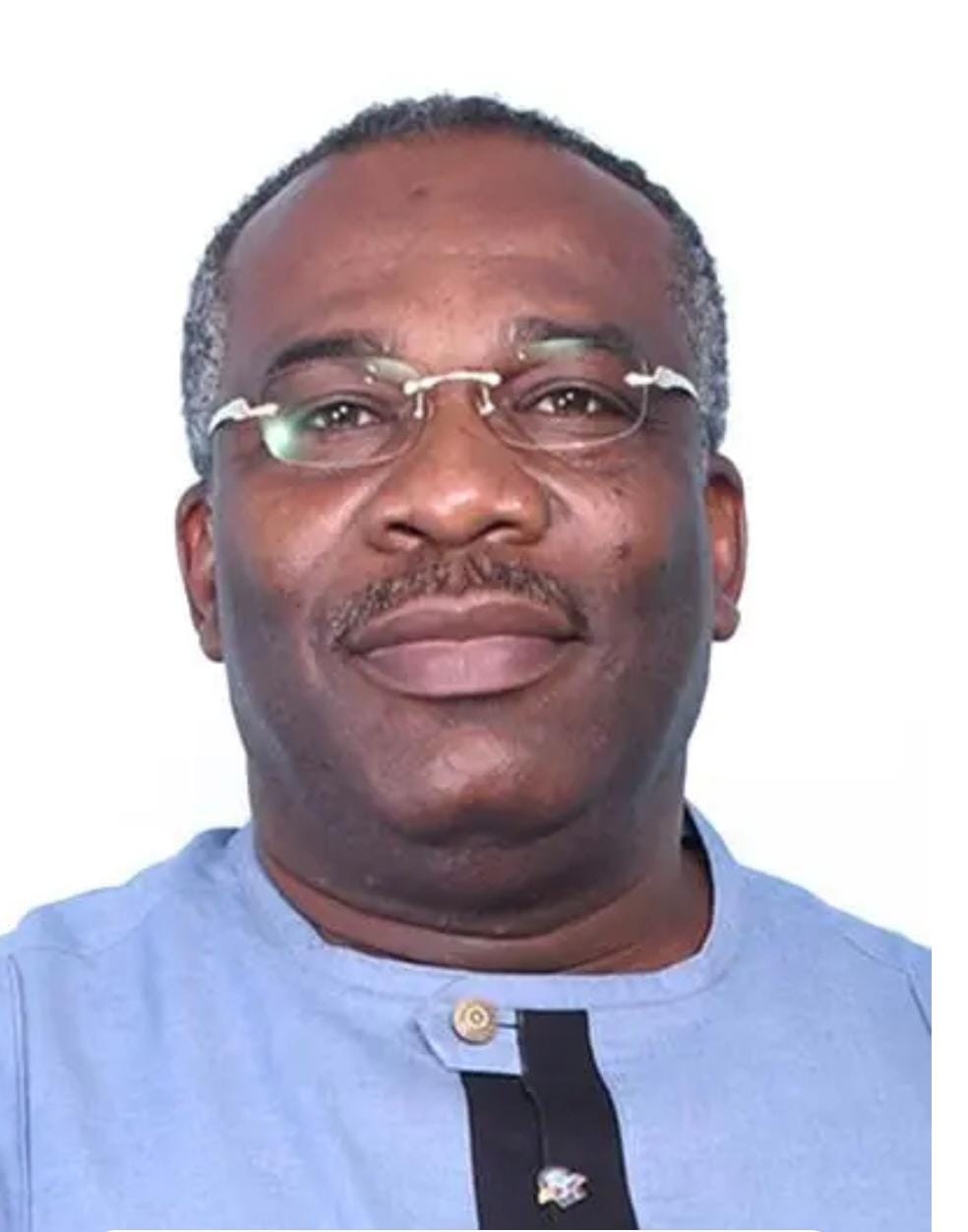
The Member of Parliament for Suhum Constituency in the Eastern Region, Frank Asiedu Bekoe, popularly known as Protozoa, has intensified his advocacy for child welfare and protection by participating in two major national events aimed at strengthening policies and interventions for children in Ghana.
On Thursday, July 23, 2026, Frank Asiedu Bekoe joined fellow MPs, development partners, and child rights advocates at the launch of the Parliamentary Caucus on Children, held at the Accra City Hotel.
The programme, organized by the African Centre for Parliamentary Affairs (ACEPA) in partnership with UNICEF, marked a significant milestone in Parliament’s efforts to champion legislation and policies that promote the welfare, protection, and development of children.
The newly established caucus is expected to provide a bipartisan platform for lawmakers to advocate child-friendly legislation, strengthen parliamentary oversight on child-related issues, and collaborate with government agencies, civil society organizations, and development partners to improve the lives of children across the country.
One of the highlights of the event was the election of Helen Adjoa Ntoso as the Chairperson of the Parliamentary Caucus on Children.
Her election was warmly welcomed by members of the caucus, who expressed confidence in her ability to lead efforts aimed at advancing the rights and well-being of Ghanaian children.
Asiedu Bekoe commended the establishment of the caucus and reaffirmed his commitment to supporting initiatives that protect children and secure a better future for the next generation.
According to him, investing in children remains one of the most effective ways of promoting sustainable national development, adding that stronger collaboration among Parliament, government institutions, development partners, and civil society is essential to safeguarding the rights of every child.
His participation in the caucus launch follows his contribution at the 2026 National Justice Conference, organized by International Justice Mission (IJM) Ghana.
The conference brought together government officials, lawmakers, development partners, traditional leaders, civil society organizations, and survivor advocates to discuss sustainable financing for child protection against labour exploitation.
The conference focused on Ghana’s child labour situation, where an estimated 21 percent of children aged between five and seventeen years are engaged in child labour.
Delivering the keynote address, the Minister for Gender, Children and Social Protection, Dr. Agnes Naa Momo Lartey, emphasized the need for sustainable financing that ensures available resources are strategically aligned and efficiently utilized to deliver lasting outcomes for children.
During discussions, Frank Asiedu Bekoe broadened the conversation by advocating greater investment in responsible parenting, arguing that child protection begins within the family.
According to him, government should invest in parenting education, family support systems, and community awareness programmes to tackle the root causes of child exploitation, trafficking, neglect, and abuse.
The Suhum MP explained that responsible parenting remains the first line of defence in protecting children from exploitation and other harmful practices.
He noted that strengthening families would help reduce the socio-economic pressures and lack of awareness that often expose children to trafficking, child labour, and other forms of abuse.
His position builds on his earlier advocacy in Parliament for stronger enforcement of the Labour Act and increased funding for institutions responsible for combating child labour and protecting vulnerable children.
Speakers at the National Justice Conference also underscored the urgency of investing in child protection.
IJM West Africa Programmes Director, Anita Budu, described sustainable funding as an immediate necessity rather than a future aspiration, while survivor advocate Godson Glawu, who was trafficked to Lake Volta at the age of seven, called for increased investment in law enforcement, social welfare services, and preventive interventions.