By Grace Zigah
What was once projected as a landmark intervention to transform mental healthcare delivery in the Northern Region is now standing as a symbol of neglect and broken promises.
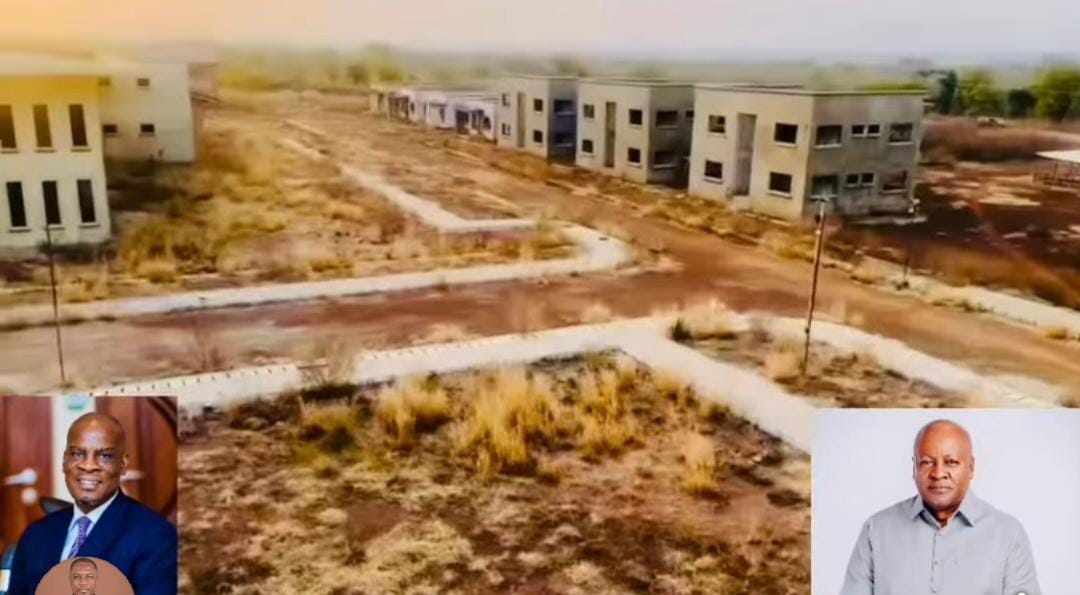
The Tamale Psychiatric Hospital project, initiated under the previous government, was designed to respond to the growing mental health burden in the Northern part of the country and reduce pressure on overcrowded psychiatric facilities in southern Ghana. Today, however, the project remains abandoned, with no visible progress on completion.
The facility was envisioned as a critical healthcare infrastructure to serve not only Tamale but also surrounding districts across the Northern Region, where access to specialized mental health services has historically been limited.
For decades, patients in the north have had to rely on long-distance referrals to facilities such as Accra Psychiatric Hospital and Pantang Hospital, creating financial, emotional, and medical burdens for families already struggling with poverty and limited healthcare access.
Despite the strategic importance of the project, work on the Tamale Psychiatric Hospital has stalled under the current administration, even though Tamale remains one of the political strongholds of the National Democratic Congress (NDC).
The people of Tamale have consistently delivered overwhelming electoral support to the party, raising expectations that development projects critical to the region’s welfare would be prioritised.
The situation has drawn sharper public concern because the project is located in Tamale South, the constituency of the current Education Minister, Haruna Iddrisu who is widely perceived as an influential figure within government.
For many residents, this has intensified frustration, as the presence of political influence has not translated into tangible development for the community in the form of a completed health facility that directly affects vulnerable families.
Community voices argue that political influence should not be symbolic or rhetorical, but practical and developmental. In their view, leadership must reflect in infrastructure, services, and improved living conditions—not in speeches, ceremonies, or political branding.
The continued abandonment of such a critical project has reinforced perceptions that development commitments are unevenly applied, even in constituencies that remain politically loyal.
The implications go beyond politics. Mental health needs in the Northern Region continue to rise, driven by poverty, substance abuse, trauma, displacement, and limited access to professional care.
Families are left to manage complex mental health conditions without adequate support systems, while patients face stigma, neglect, and unsafe treatment pathways due to the absence of specialized facilities.
Health sector experts have long argued that decentralising psychiatric services is essential to building an inclusive national healthcare system.