By Daniel Bampoe
A Russian social media personality, Vyacheslav Trahov, has removed all videos featuring Ghanaian women from his TikTok account following widespread public outrage in Ghana over allegations of privacy violations, exploitation, and non-consensual recordings.
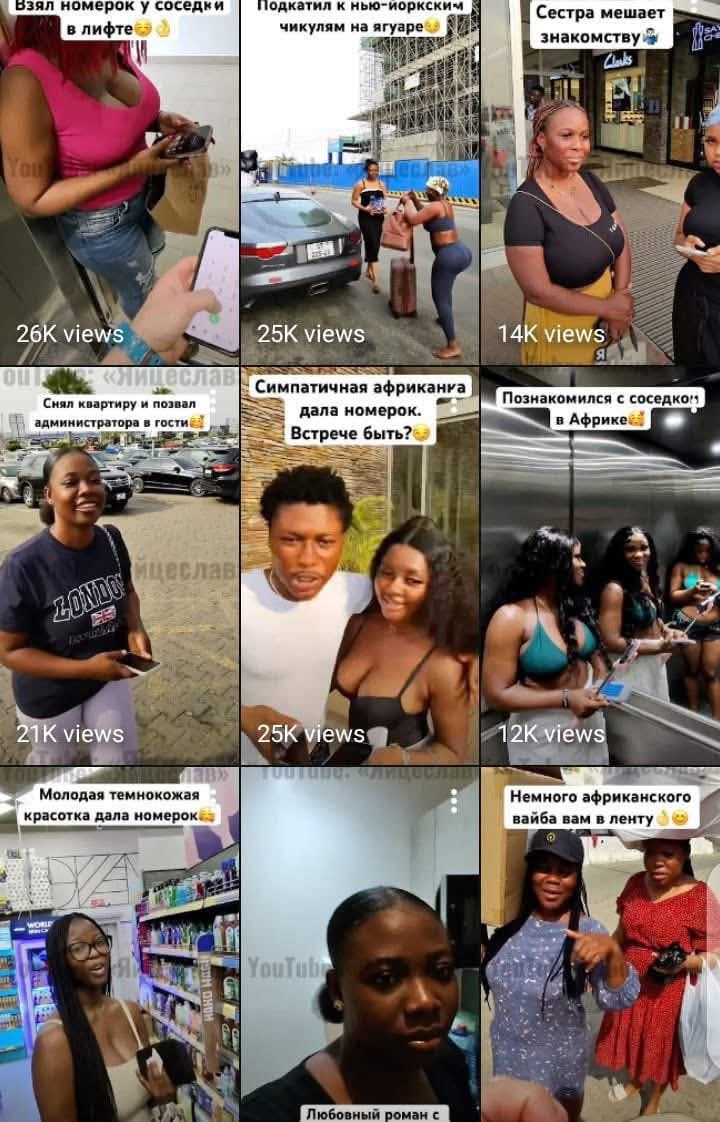
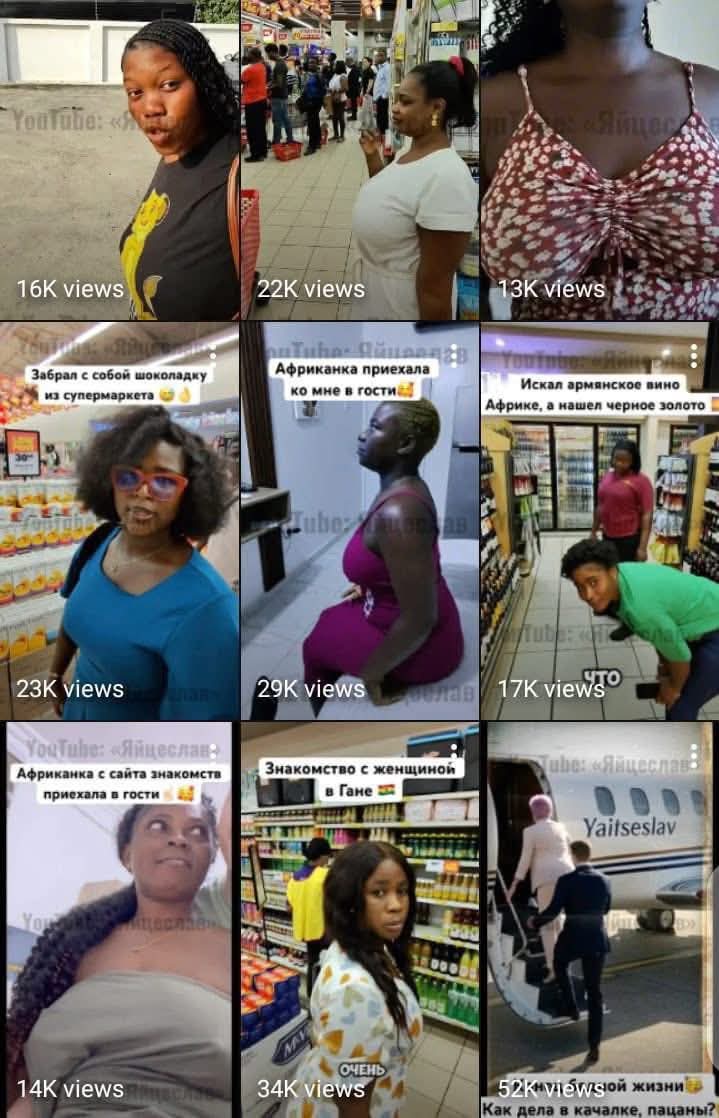
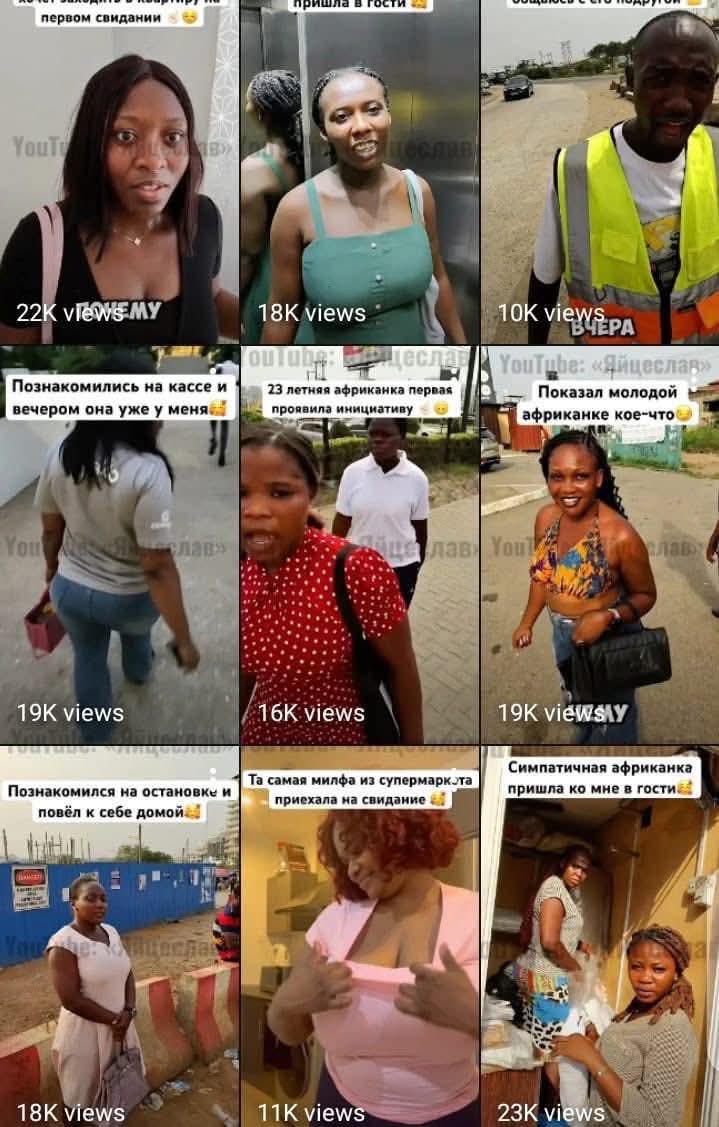
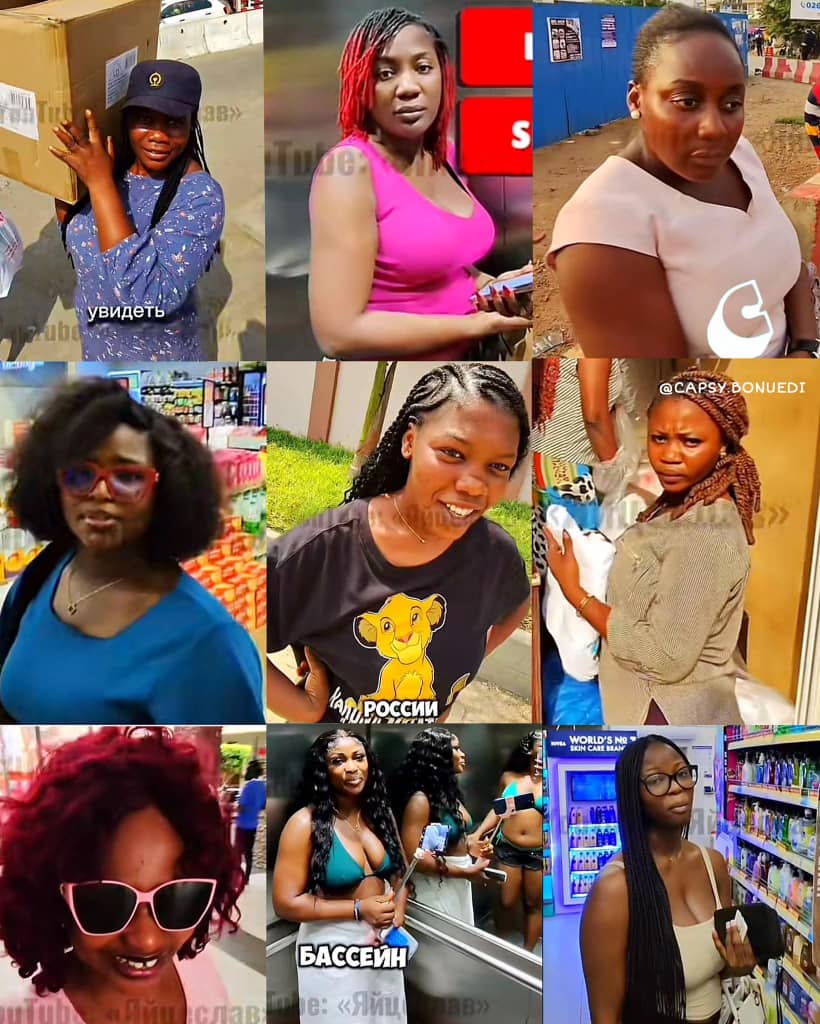
The backlash erupted after a series of videos surfaced online showing Trahov approaching women in public spaces, engaging them in brief conversations, inviting them to his hotel, and subsequently sharing the encounters on social media for content and engagement.
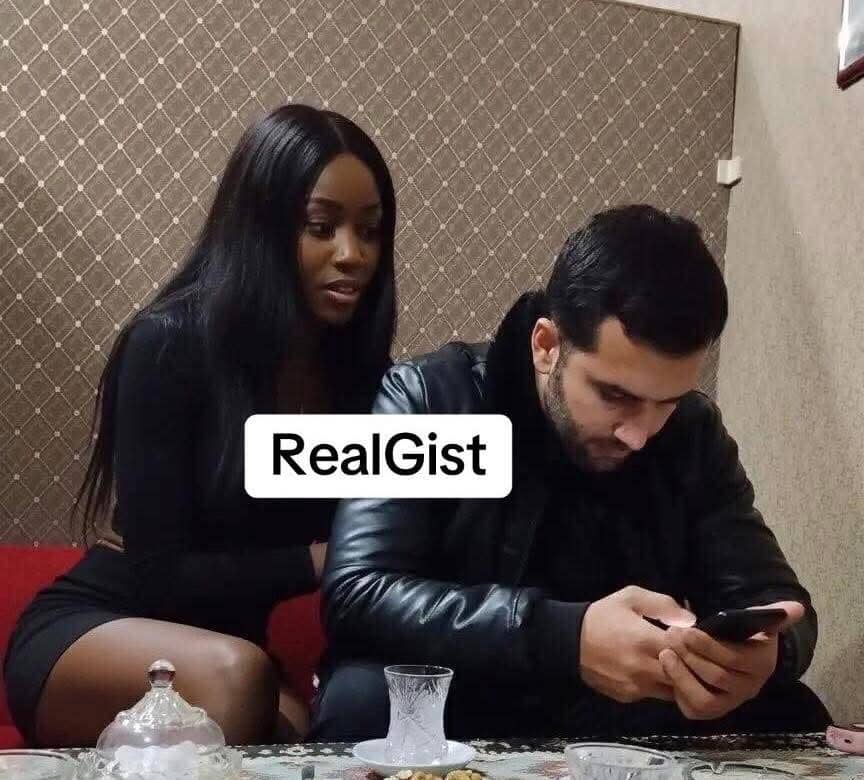
The controversy gained national attention after multiple clips circulated across Ghanaian social media platforms, prompting strong reactions from online activists, and members of the public.
Many Ghanaians questioned the legality and ethics of recording individuals in private settings without clear, informed consent, especially when such content is monetised online.
Calls were made for state authorities and relevant institutions to investigate whether any local laws had been breached, particularly regarding privacy rights, digital consent, and the potential exploitation of vulnerable individuals.
Several of the videos reportedly showed Trahov approaching women in high-traffic public spaces, including shopping areas and malls, most notably around Accra Mall, where he was seen initiating conversations before persuading some women to accompany him to private locations.
The speed at which these interactions escalated — from first contact to private meetings — shocked many viewers and sparked debates about social values, online safety, and the growing culture of viral content creation without ethical boundaries.
As public pressure intensified, Trahov quietly removed all Ghana-related content from his TikTok account.
A review of his profile now shows only videos from other countries, with no remaining footage featuring Ghanaian women or locations within Ghana.
The deletions are widely seen as a response to sustained criticism, reputational damage, and the growing risk of possible legal or regulatory scrutiny.