BY Nadia Ntiamoah
The Ghana Police Service has postponed the full implementation of its automated traffic law enforcement programme, TRAFFITECH-GH, from October 1 to November 1, 2026.
According to a press release issued by the Police Public Affairs Directorate on September 29, the extension is intended to allow the Service to intensify public awareness and education on the programme before its full rollout.
The education campaign will focus on how TRAFFITECH-GH operates, the various traffic offences the system is designed to detect, and the Electronic Notices of Violation (ENV) that will be issued to motorists who breach traffic regulations.
The automated enforcement programme is part of the Ghana Police Service’s efforts to address indiscipline on the country’s roads and improve compliance with road traffic laws and regulations.
The Police are therefore urging motorists, drivers and vehicle owners to use the additional one-month period to familiarise themselves with the system and understand their responsibilities ahead of the November 1 rollout.
The Service also expressed appreciation to the media for its support throughout the introduction of the programme, saying it remains committed to working with relevant stakeholders to ensure the successful implementation of TRAFFITECH-GH and improve road safety across the country.
The statement was signed by Deputy Superintendent of Police Richmond Mensah, Staff Officer at the Public Affairs Directorate, on behalf of the Director-General of Public Affairs.
CUTS International Intervenes
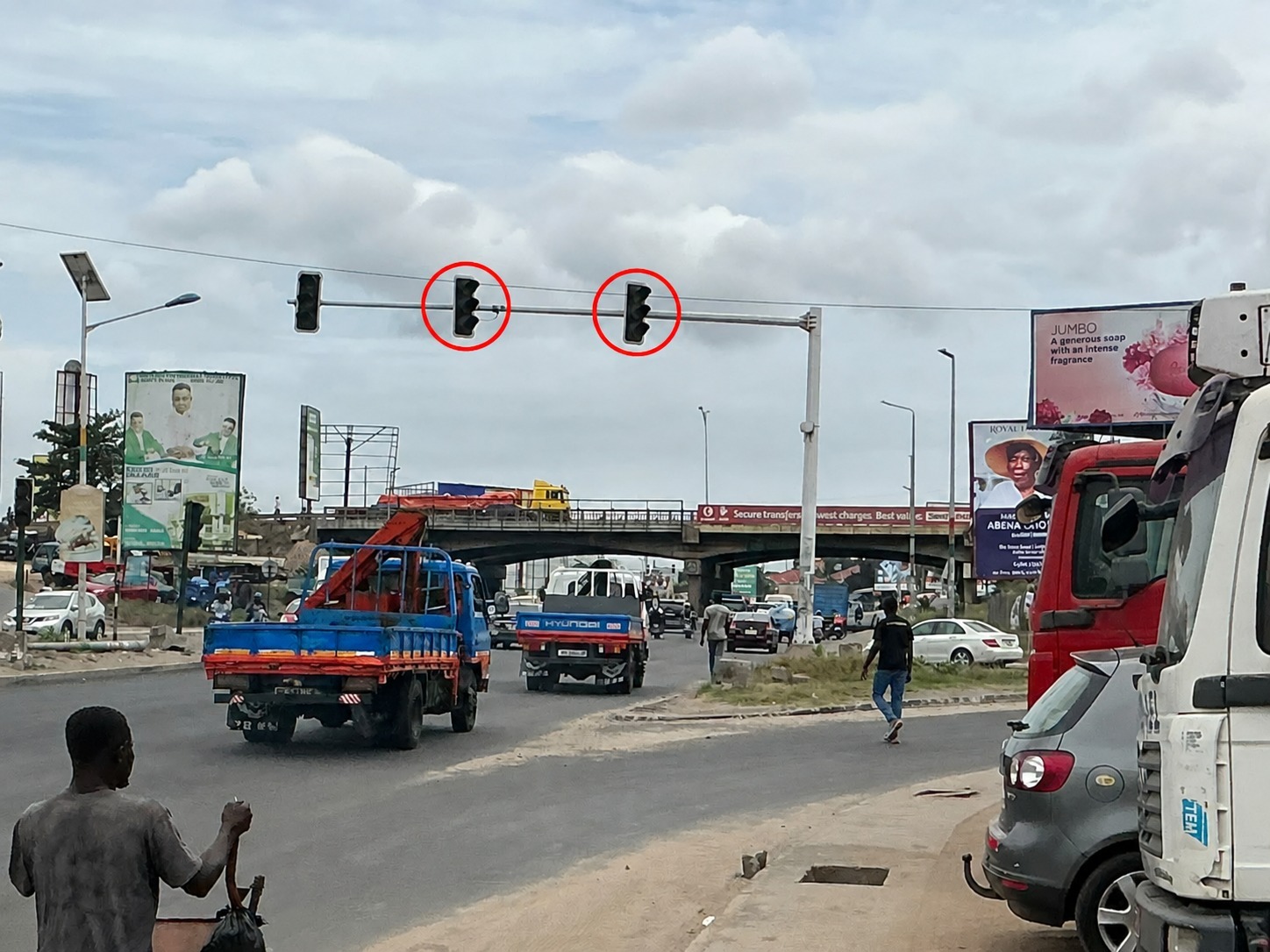
CUTS International Accra had earlier called for the delay enforcement of TRAFFITECH-GH, scheduled to begin on October 1, 2026, until authorities have inspected and repaired traffic infrastructure at locations where automated enforcement cameras are to operate.
The think tank said it supports the use of technology to improve compliance with road traffic regulations and reduce road crashes, but argued that automated enforcement must be accompanied by clear and functional road infrastructure.
According to CUTS, drivers should be able to clearly see traffic lights, identify applicable speed limits and follow visible road markings before they are subjected to automated penalties.
“Government should hold drivers to the law. Government must also make the law clear and visible on the road,” CUTS said.
“The purpose of TRAFFITECH-GH is safer roads, not tickets arising from traffic lights drivers could not see,” it added.
CUTS said conditions at some roads and junctions in Accra could make automated enforcement problematic if the system is activated without first addressing existing infrastructure defects.
The think tank also raised concerns about faded lane markings and stop lines, arguing that such conditions could create uncertainty for motorists and pedestrians even before an automated camera records an alleged traffic violation.
“A camera’s clear view of a vehicle does not mean the driver has a clear view of the relevant signal or sign,” CUTS said.
CUTS has drawn particular attention to traffic lights located along the Nsawam-Accra Road shortly before the Apenkwa-Achimota overhead bridge and at the Police Training Academy junction in Tesano.
According to the organisation, the traffic lights at these locations have reportedly shifted from clear view for approaching motorists, even though the TRAFFITECH-GH cameras appear to be correctly positioned.