BY Issah Olegor
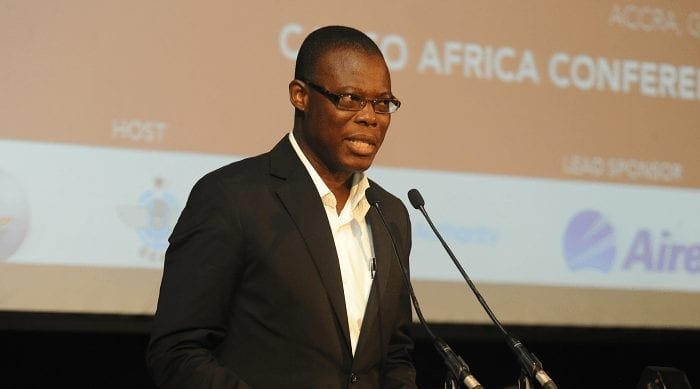
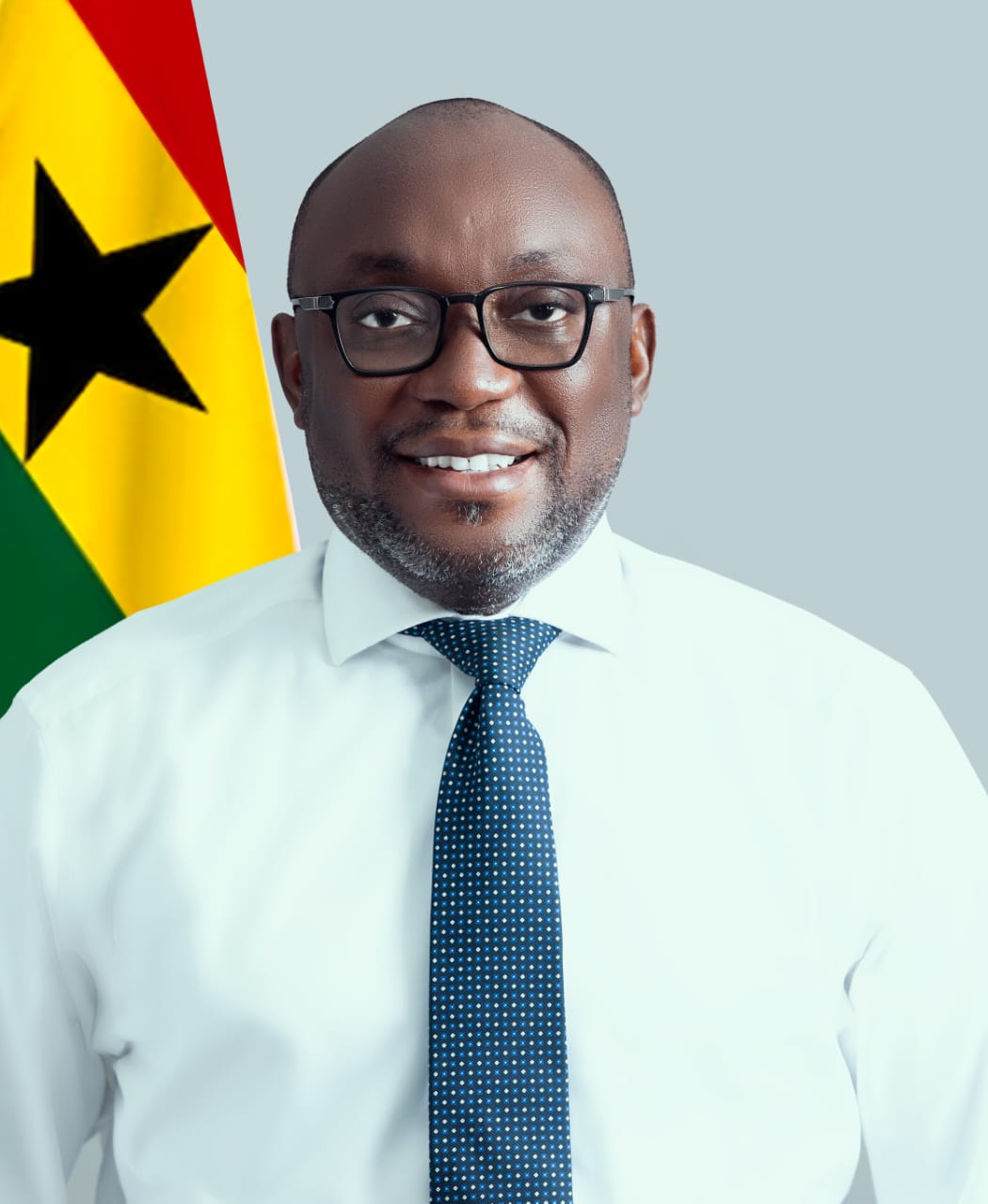
The General Secretary of the National Democratic Congress (NDC), Fifi Fiavi Kwetey, has delivered a passionate reflection on the state of governance and political leadership in Ghana, warning that the country’s democratic politics has increasingly become dominated by the desire to retain power at the expense of taking difficult but necessary decisions.
Speaking during activities marking the 34th anniversary of the NDC on June 10, 2026, Kwetey used the occasion not only to celebrate the party’s history but also to challenge its members and leaders to return to the principles upon which the movement was founded.
The anniversary celebration, held at the party’s national headquarters in Adabraka, Accra, brought together senior party officials, government appointees, grassroots members, and supporters to commemorate more than three decades of the NDC’s role in the democratic and political development.
The event featured a flag-raising ceremony led by National Chairman Johnson Asiedu Nketiah and other party leaders. The party also announced plans to rename its national headquarters “Jerry Rawlings House” in honour of its founder, former President Jerry John Rawlings, while officially designating June as “NDC Month” for reflection, celebration, and recommitment to the party’s ideals.
Against this backdrop of celebration, Kwetey delivered what many observers described as one of the most introspective speeches of the anniversary event.
Drawing comparisons between the present democratic era and the period of the Provisional National Defence Council (PNDC), which preceded the formation of the NDC, the General Secretary lamented what he described as the country’s growing inability to enforce discipline and uphold standards in public life.
According to him, many of the challenges confronting Ghana today—including unauthorized land sales, the construction of buildings on waterways, environmental indiscipline, and indiscriminate dumping of waste—would not have been tolerated during the PNDC era.
“If we were in the days of PNDC, all this nonsense going on in terms of floods, people selling lands wrongly, people building on waterways, people misbehaving, throwing filth everywhere, it would not happen,” he told party members.
He argued that the persistence of such problems is partly the result of a political culture in which leaders are reluctant to take decisive action for fear of losing electoral support.
According to Fiifi Kwetey, political leaders often hesitate to enforce laws and implement difficult reforms because of concerns about the political consequences that may follow.
“But why is it happening? It is happening because the moment you want to put your foot down, you lose power,” he said.
The NDC General Secretary suggested that political parties across the country have become increasingly obsessed with winning elections and retaining power, sometimes at the expense of national development and long-term progress.
In his view, the desire to defeat political opponents has gradually overshadowed the larger purpose of governance.
“We become obsessed with keeping power while seeing our country go down. Because all that matters now is winning against the NPP,” he stated.
Fiifi Kwetey used the anniversary celebration to reflect on the original mission of the political movement that eventually evolved into the NDC. He argued that the movement was founded not merely to win elections but to transform Ghana and improve the lives of ordinary citizens.
He expressed concern that over time, the movement had drifted away from those ideals and become too focused on political competition rather than national transformation.
“And it’s supposed to be a movement born for God, a movement to ensure that this country moves by leaps and bounds. But what have we done? We’ve reduced this movement to a movement of mediocrity,” he said.
The General Secretary stressed that the NDC must use its 34th anniversary as an opportunity for self-examination and renewal.
According to him, the party must recommit itself to promoting leaders who possess the courage to make difficult decisions even when such decisions carry political risks.
He argued that the future depends on leaders with strong character who are prepared to prioritize the national interest over short-term political calculations.
“We need to start looking for leaders who have the strength of character to do what they’ve got to do regardless of consequences,” he stated.
He criticized what he described as a tendency among some political leaders to constantly worry about the electoral implications of every policy decision rather than focusing on what is right for the country.
“Not leaders who are constantly looking over their shoulder. If I do this, I will lose power. No!” he declared to applause from party members.