

As the New Patriotic Party (NPP) prepares for another defining chapter in its political future, investigative journalist and analyst Mannasseh Azure Awuni has outlined what he describes as seven major reasons why former Vice President Dr Mahamudu Bawumia remains the party’s strongest option to lead it into the next electoral cycle.
In a detailed assessment of the ongoing internal race, Mannesseh Azure situates Dr Bawumia’s candidacy within the broader context of Ghana’s electoral history, the NPP’s recent defeat, and the party’s urgent need for unity and strategic direction ahead of 2028.
Tested Candidate With an Established Political Brand
At the heart of Azure’s argument is the belief that elections are not won by experimentation, but by candidates who are already tried, tested, and widely marketed.
He notes that Dr Bawumia, unlike many of his challengers, has already led the party into a national contest and secured close to five million votes in the 2024 presidential election, despite what he describes as intense public anger against the outgoing Akufo-Addo administration.
According to the official results, Dr Bawumia obtained 4,877,611 votes, representing 41.75% of valid votes cast. Azure points out that while Bawumia won nearly 42% of the presidential vote, the NPP secured only 32% of parliamentary seats, suggesting that the party’s defeat reflected broader rejection of the NPP brand rather than solely the candidate.
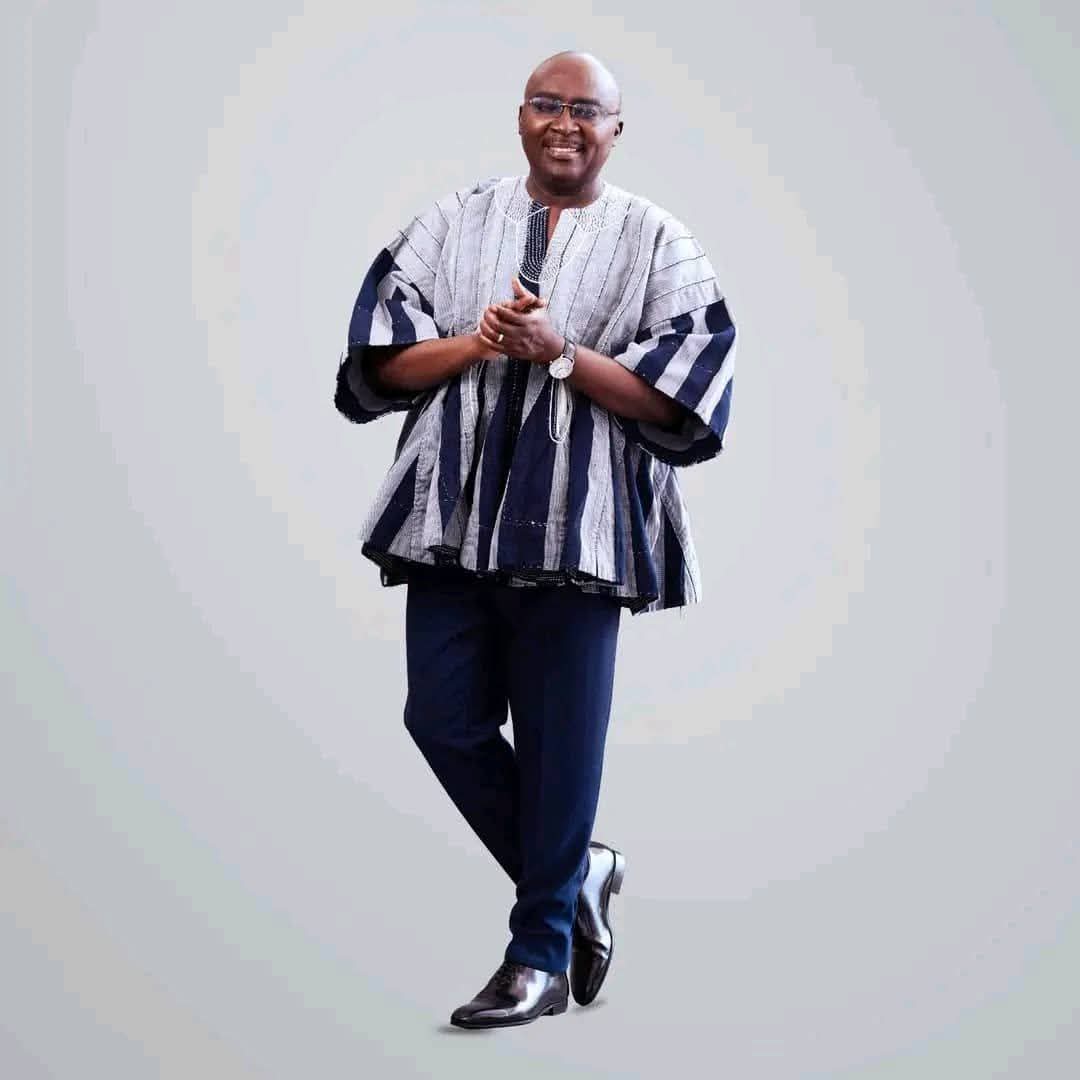
He further highlights that Dr Bawumia’s home region, the North East Region, was the only region in Northern Ghana where the NPP won the presidential vote and did not suffer minority parliamentary representation, reinforcing the idea of his electoral strength.
Azure contrasts this with Kennedy Agyapong, Bawumia’s closest contender, who lost the 2023 primary and whose home constituency and region — Assin Central and the Central Region — were both lost by the NPP in the 2024 elections.
A Unifier at a Time of Internal Strain
Manasseh Azure’s second point centres on party cohesion. Drawing on the biblical story of King Solomon, he warns that the NPP’s unity is under threat, fuelled by internal ambitions that risk fracturing the party.
He credits Dr Bawumia with demonstrating restraint and putting party stability above personal interest when he conceded defeat early in the 2024 elections — even before the Electoral Commission had officially declared constituency results.
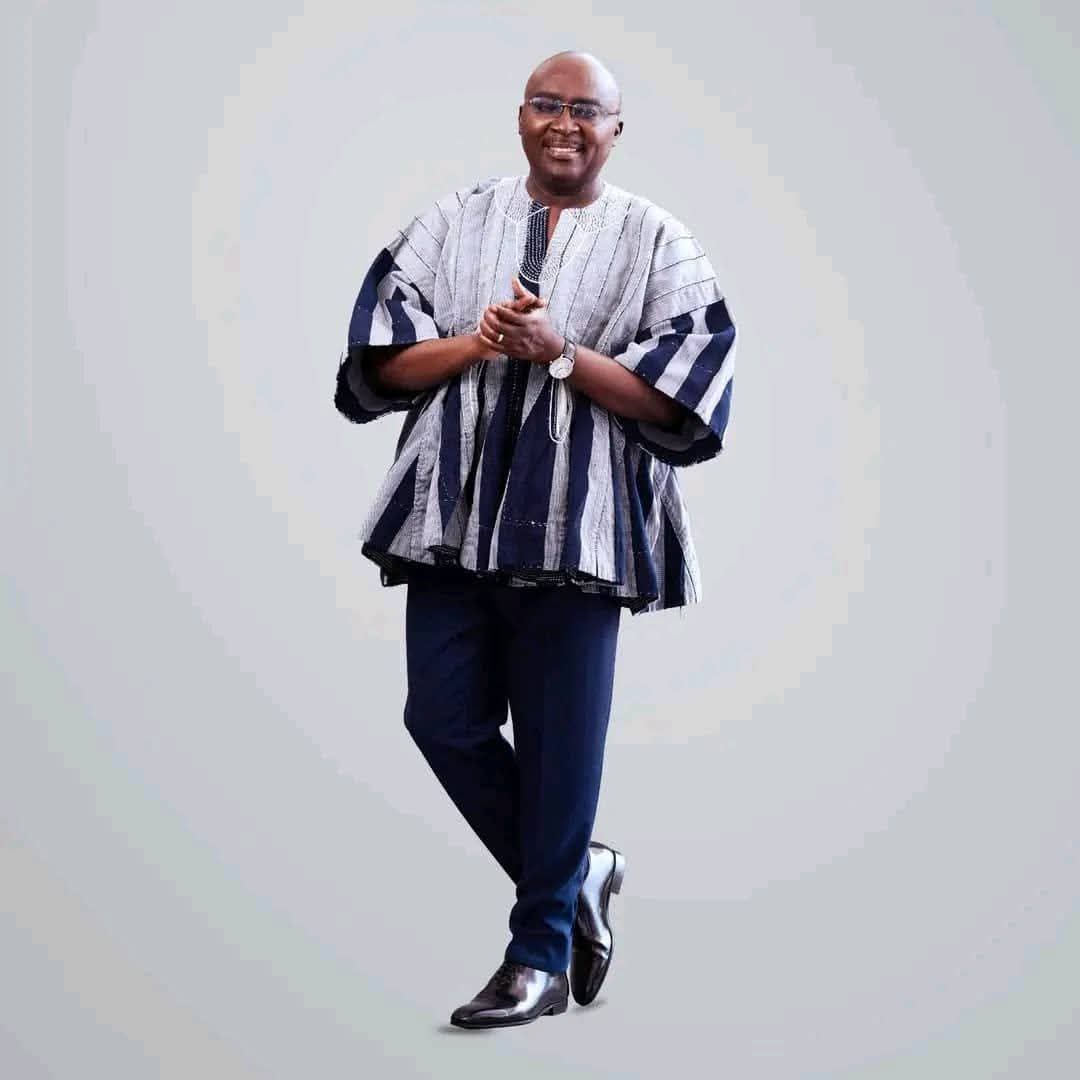
While some party members criticised that decision, Azure argues it revealed maturity, courage, and a unifying temperament needed to hold the party together.
Not an Outsider, But a Loyal Architect of NPP Victories
Addressing claims that Bawumia is an “outsider” in a party often perceived as Akan-dominated, Azure rejects the label, insisting that Bawumia has earned his place through sacrifice and service.
He recalls that during the 2012 election petition at the Supreme Court, Dr Bawumia played a central role, testifying under intense cross-examination live on national television — a politically risky decision for someone with future ambitions.
Azure also recounts how Dr Bawumia and his wife, Samira, endured sustained political attacks while campaigning vigorously in 2016, shielding the party’s presidential candidate and helping secure victory.
He argues that while Bawumia has been blamed for unfulfilled campaign promises, many others benefited from the 2016 win through ministerial appointments, parliamentary seats, contracts, and influence, making it unfair to deny him leadership now.
Electoral Pattern Supports Second Chances
He situates Bawumia’s defeat within Ghana’s democratic trajectory, noting that no party has governed beyond two consecutive four-year terms since 1992. The NPP’s loss after eight years, he argues, is consistent with historical patterns rather than unique failure.
He cites examples of leaders who lost before eventually winning: Atta Mills lost twice before victory in 2008; Akufo-Addo lost in 2008 and 2012 before winning in 2016; and John Mahama lost in 2016 and 2020 before returning to power in 2024.
For Azure, Bawumia’s near-five-million vote base provides a foundation for future contests, placing him in “good company” historically.
Shared Responsibility for NPP’s Economic Failures
A major criticism of Dr Bawumia, Azure acknowledges, is his association with the Economic Management Team during a period marked by hardship, high taxes, borrowing, and unpopular measures like the E-Levy.
However, he argues that other contenders — including Kennedy Agyapong, Bryan Acheampong, and Yaw Osei Adutwum — were Members of Parliament who approved key fiscal decisions. Given the narrow parliamentary margin during the E-Levy vote, Azure notes that the defection of even one MP could have blocked the tax.
In this sense, he suggests that some aspirants blaming Bawumia may carry equal or greater responsibility for the policies that contributed to the party’s 2024 defeat.
He adds that the only contender arguably detached from the administration’s record is Kwabena Agyepong.
The “Akufo-Addo Puppet” Narrative Losing Strength
Azure also addresses the longstanding claim that Bawumia would merely extend an Akufo-Addo dynasty. He argues that such assumptions are not guaranteed, citing Atta Mills’ independence from Rawlings as precedent.
He further suggests that President Akufo-Addo has adopted a more neutral posture in the current race compared to previous contests, weakening the “puppet” argument.
Stronger Campaign Coherence and Messaging
Finally, Azure argues that among all the aspirants, Dr Bawumia has presented the most coherent campaign message. While some promises may be questioned, he believes Bawumia has demonstrated clearer policy direction, consistency, and structure compared to the other contenders.
A Contest Beyond Personality
Ultimately, Mannasseh Azure frames the NPP presidential race as not merely a contest of individuals, but a strategic decision about experience, unity, historical patterns, and the party’s ability to rebuild after its 2024 defeat.
With delegates preparing to choose the next flagbearer, Azure’s analysis suggests that in a field of aspirants, Dr Mahamudu Bawumia remains, in his view, the most electorally grounded and politically positioned figure to lead the NPP forward.


