By Grace Zigah
Thousands of churches across Ghana continue to operate without formal registration, raising concerns about oversight, governance, and accountability in the country’s rapidly growing religious sector.
The Ministry of Local Government, Chieftaincy and Religious Affairs revealed on Wednesday, February 18, 2026, that while over 2,200 churches were registered in Greater Accra as of 2025, thousands more nationwide function outside the formal regulatory framework.
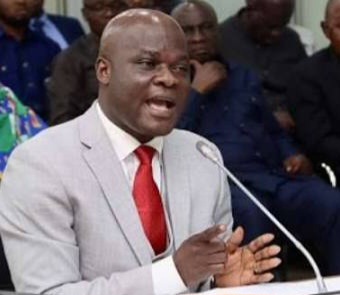
Minister Ahmed Ibrahim disclosed the figures during a parliamentary session, emphasizing the government’s plans to introduce a digital registry system aimed at streamlining church registration and ensuring real-time operational data.
“We will establish a formal collaboration with the Registrar General’s Department, the Office of the Attorney General, and the Ministry of Justice to assess records of churches registered as companies limited by guarantee,” the Minister said.
The digital platform will allow churches to update their operational status online, while metropolitan, municipal, and district assemblies are expected to maintain local registers of churches within their jurisdictions.
According to surveys from the Greater Accra Region, 98.1% of churches operate as single-owner entities, with the remaining affiliated with larger church brands.
However, the Registrar General’s Department does not publish a consolidated national figure, leaving the total number of unregistered churches in Ghana largely unknown.
Reports said the explosive growth of churches in Ghana over the past three decades has outpaced administrative capacity, making oversight difficult.
According to the 2021 Population and Housing Census, about 71.2% of Ghanaians identify as Christians, including 31.6% Pentecostal or Charismatic, 18.4% Protestant, 10% Catholic, and 11.2% in other Christian denominations.
This religious expansion has fueled a proliferation of independent churches, many of which remain unregistered.
Minister Ibrahim stressed that accurate, comprehensive data on churches is critical for governance, planning, and regulatory oversight.
“This is a timely step toward modernising our administrative systems and strengthening accountability in the religious sector, which has experienced rapid growth in recent decades,” he said.