By Daniel Bampoe
Genser Energy has entered a new phase of its corporate growth after buying back the entire shareholding of international investor Oppenheimer Partners, ending a five-year investment partnership that helped finance the company’s expansion across Ghana and into the wider West African energy market.
The transaction sees the privately owned Ghanaian energy infrastructure company redeem the full equity stake previously held by OP Energy Holdings Limited, bringing Oppenheimer Partners’ investment in the business to a close while restoring full ownership of the shares to Genser Energy.
The exit marks the end of an investment relationship that began in 2021 when Oppenheimer Partners joined Genser as a preferred shareholder to support the company’s long-term infrastructure expansion strategy.
Two years later, in 2023, the investment firm converted its position into common equity, acquiring a 40.40 percent ownership stake in the company. That investment has now been fully redeemed by Genser Energy.
Founded in 2006, Genser Energy has evolved into one of West Africa’s leading integrated energy infrastructure companies, providing electricity to industrial customers and utility companies while investing heavily in natural gas transportation and processing infrastructure.
The company has played an increasingly significant role in supporting Ghana’s industrialisation agenda through reliable energy supply and private-sector investment.
Before Oppenheimer Partners entered the business, Genser had already established a strong operational footprint by developing five power plants and constructing a 325-kilometre privately owned natural gas pipeline network, making it one of the country’s key suppliers of energy to mining companies and other industrial consumers.
The company’s growth accelerated during Oppenheimer’s investment period. Genser expanded its gas transportation infrastructure by constructing an additional 110 kilometres of natural gas pipeline, increasing the total length of its privately developed pipeline network. It also built a gas conditioning plant at Prestea with a processing capacity of 200 million standard cubic feet of gas per day and expanded beyond the borders by entering Côte d’Ivoire through cross-border electricity exports.
Commenting on the transaction, Genser Energy Founder, President and Chief Executive Officer, Baafour Asiamah Adjei, described the buyback as a significant milestone in the company’s history and a reflection of the strength of the business built over nearly two decades.
He noted that the successful redemption of Oppenheimer Partners’ stake demonstrates the company’s financial resilience and positions it for the next phase of strategic growth across the region.
Chairman of the Board, Nana Osae Nyampong, also said the completion of the transaction would enable the company to sharpen its focus on expanding its regional footprint while continuing to deliver long-term value for customers, employees, host communities and shareholders.
The buyback comes at a time when international infrastructure investors continue to increase their interest in Africa’s energy sector, driven by rising electricity demand, industrial growth, regional power integration initiatives and increased investment in gas infrastructure across the continent.
Industry analysts say energy companies with integrated operations spanning gas production, transportation, processing and power generation are expected to play an increasingly important role in addressing West Africa’s energy deficit while supporting industrial development.
Following the completion of the share redemption, Genser Energy says it remains well positioned to continue investing in strategic energy infrastructure projects throughout West Africa.
The company currently operates more than 310 megawatts of installed electricity generation capacity and owns a 436-kilometre privately developed natural gas pipeline network across Ghana.
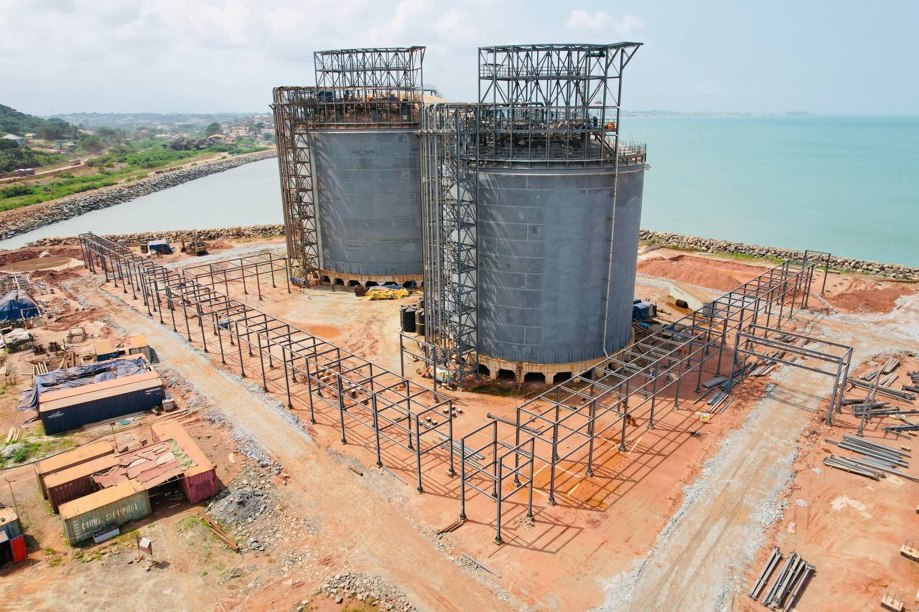
It is also nearing completion of major midstream infrastructure projects, including a natural gas conditioning facility and a natural gas liquids export terminal, while continuing to supply electricity to industrial customers, utilities and participate in regional electricity exports.