By Daniel Bampoe
In a bid to end the decades-long Bawku conflict, the Asantehene, Otumfuo Osei Tutu II, has formally begun a high-level mediation process at the Manhyia Palace in Kumasi under tight security.
The intervention is being hailed as a significant move toward lasting peace in the Upper East Region, where violence continues to flare due to a deeply rooted chieftaincy dispute.
On Tuesday, April 29, the Manhyia palace grounds saw a heavy deployment of police and military personnel, strategically positioned to safeguard all participants, including traditional leaders, mediators, and representatives from the warring factions.
The enhanced security measures underscore the delicate nature of the talks and the importance of preserving calm during what could be a historic mediation effort.
Conflict Rooted in History
The Bawku conflict, which centers on disagreements over rightful traditional leadership between the Mamprusi and Kusasi ethnic groups, has persisted for decades.
Periodic violence, political complications, and entrenched mistrust have hindered numerous government and community-led efforts to broker peace.
Despite the establishment of multiple security interventions and committees over the years, the region remains volatile, with curfews frequently imposed and development significantly hampered.
The conflict has resulted in the loss of lives, displacement of families, and disruption of socio-economic activities in the Bawku municipality and its environs.

Mediation Strategy
Otumfuo Osei Tutu II, who is widely respected across the chieftaincy landscape for his leadership and neutrality, is leading this latest peace effort with a strategic approach.
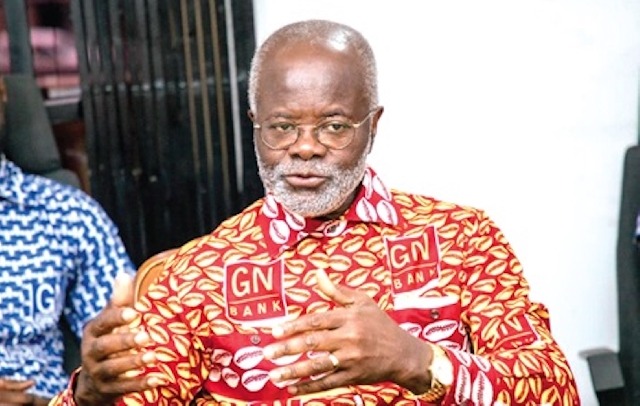
According to Sarfo Kantanka, a historian at the Manhyia Palace, the mediation will take a two-tiered format, with some sessions conducted behind closed doors (in-camera) and others held publicly.
“Anything involving a conflict requires a higher degree of security,” Kantanka said.
He added, “From all that has taken place, it has always been in the open, but this time, it is going to be a two-way mediation — some sessions will be held in camera, and others will be open.”
This approach, according to sources familiar with the arrangements, aims to create a balanced atmosphere for truth-telling, reconciliation, and consensus-building while shielding sensitive disclosures from public scrutiny.

Stakeholder Expectations and National Implications
The Asantehene’s involvement has sparked renewed hope for a resolution. His proven track record in conflict mediation, including past interventions in Dagbon and other disputes, lends credibility to the process.
Civil society actors, religious leaders, and political figures have publicly supported the initiative, urging all sides to commit to dialogue and compromise.
However, the National Security operatives are closely monitoring the process, given the potential for either breakthrough or backlash.
For the government, resolving the Bawku conflict could be a major victory in its broader agenda for peace and national unity.