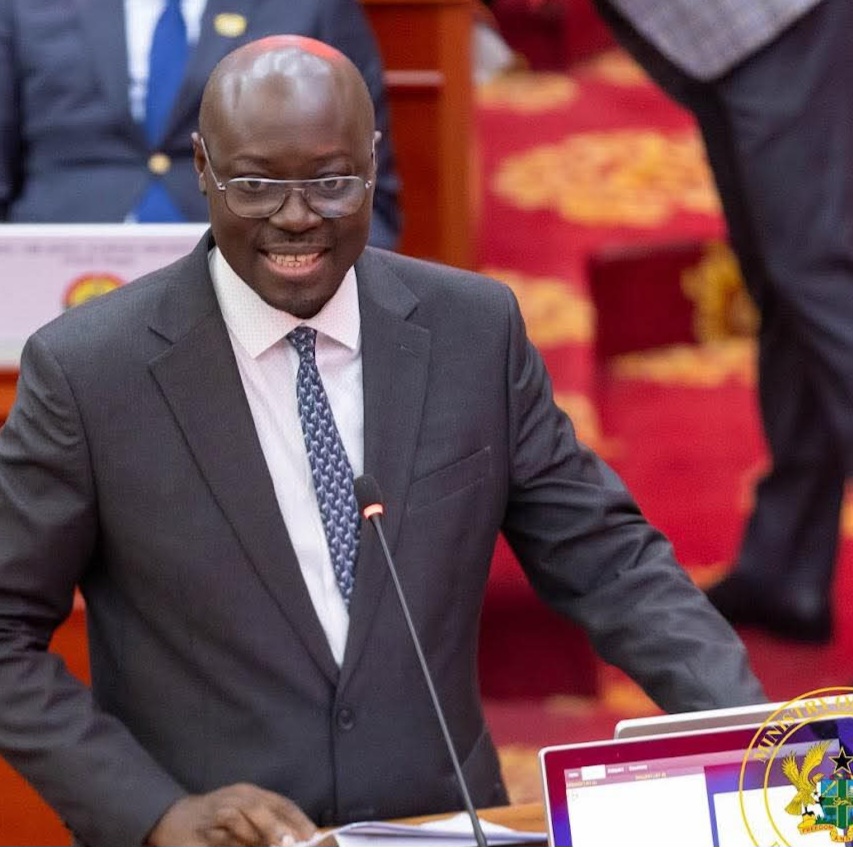
Parliament has unanimously approved a $360 million loan facility from the World Bank to support the government’s 2025 national budget, marking the second tranche of a larger $900 million request initiated in 2023.
The facility, which spans 12 years at an annual interest rate of 2.05%, is part of a budgetary support arrangement under the World Bank’s Development Policy Operation (DPO) initiative.
The funds are expected to bolster macroeconomic stability and aid Ghana’s post-COVID recovery efforts amid ongoing structural reforms and fiscal consolidation targets outlined under the country’s IMF-backed economic recovery programme.
While the approval sailed through without opposition on Tuesday evening, the debate ahead of the vote revealed deep political undercurrents regarding transparency and public accountability.
Ranking Member on Parliament’s Committee on Economy and Development, Kojo Oppong Nkrumah, criticized the government for what he described as an attempt to mask the true nature of the transaction.
“The government is using language that deliberately avoids the term ‘loan’ to downplay the impact this has on our national debt stock,” the former Information Minister asserted during his contribution on the floor.
“This is borrowing, plain and simple — and it must be treated with the seriousness and scrutiny all loans require.”
Oppong Nkrumah warned that continued obfuscation around such financial arrangements risks further eroding public trust and parliamentary oversight, especially at a time when Ghanaians are grappling with inflation, taxes, and cost-of-living challenges.
The World Bank’s budgetary support to Ghana dates back decades, with a recent uptick in disbursements linked to the country’s participation in the International Monetary Fund’s Extended Credit Facility (ECF) programme.
The $900 million package approved in principle by the World Bank in 2023 is being disbursed in tranches based on reform milestones and fiscal performance.
Finance Ministry officials say the latest $360 million tranche will be used to fund critical expenditures, support social protection programmes, and stabilize foreign exchange reserves. They also argue that the concessional terms — below market rates — make it a preferred financing source compared to commercial borrowing.
The approval comes at a crucial time for Ghana, which is under pressure to meet strict debt sustainability targets, improve domestic revenue mobilisation, and restore investor confidence after restructuring both domestic and external debts in 2023 and 2024.