BY Issah Olegor
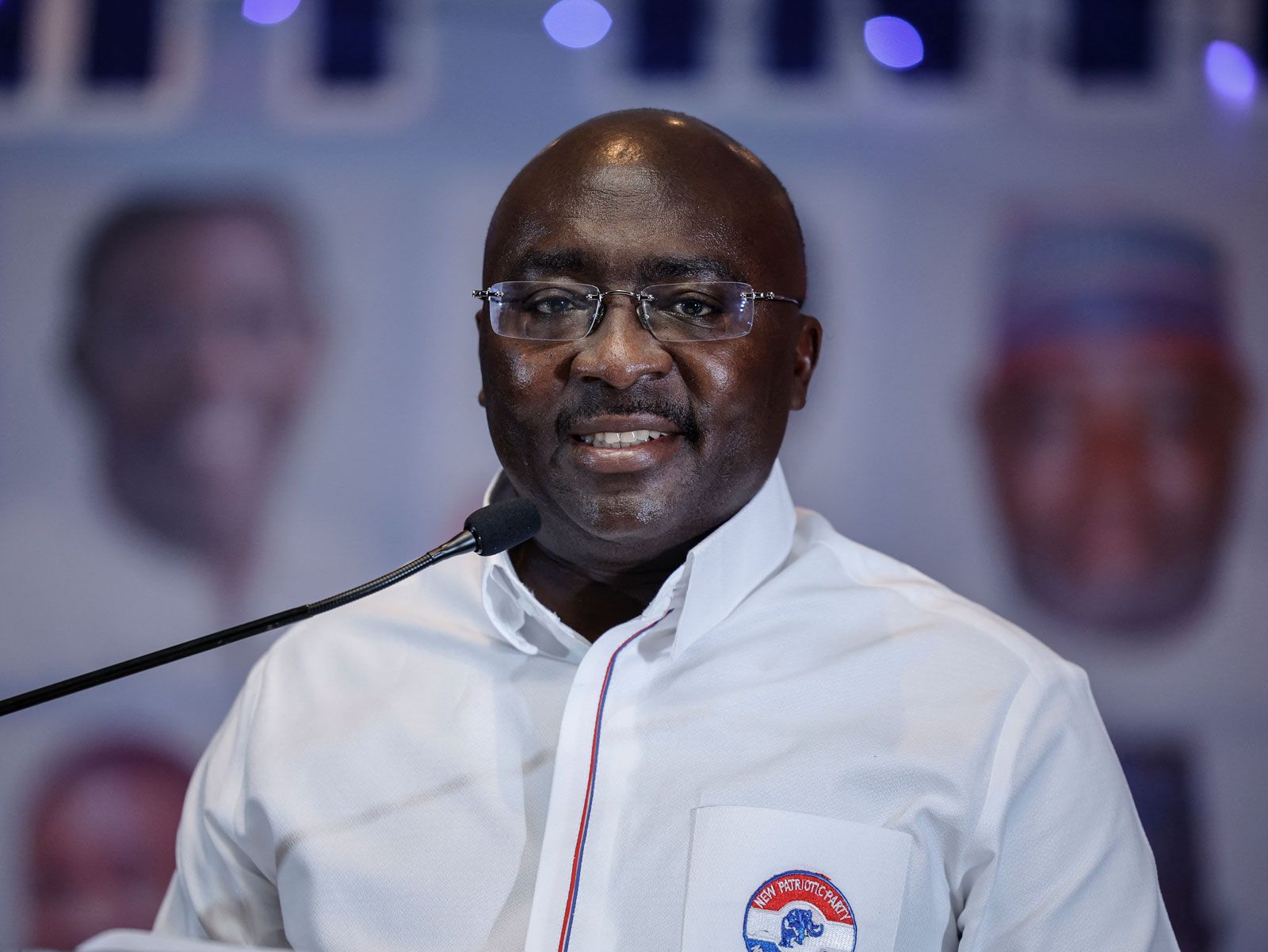
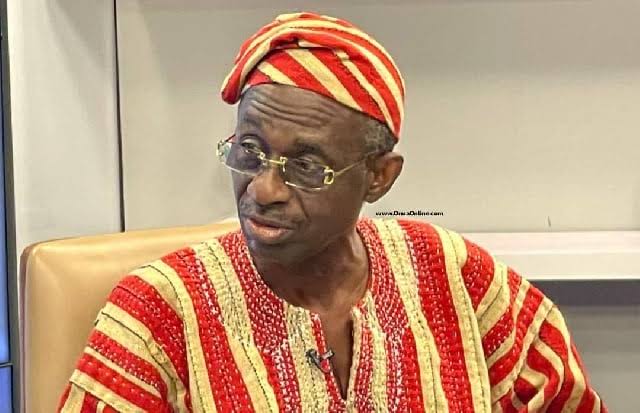
National Democratic Congress (NDC) National Chairman Johnson Asiedu Nketiah has reportedly decided not to seek re-election as the party prepares for its next round of internal executive election, triggering fresh speculation about his political future and the possibility that he could be positioning himself for a presidential bid.
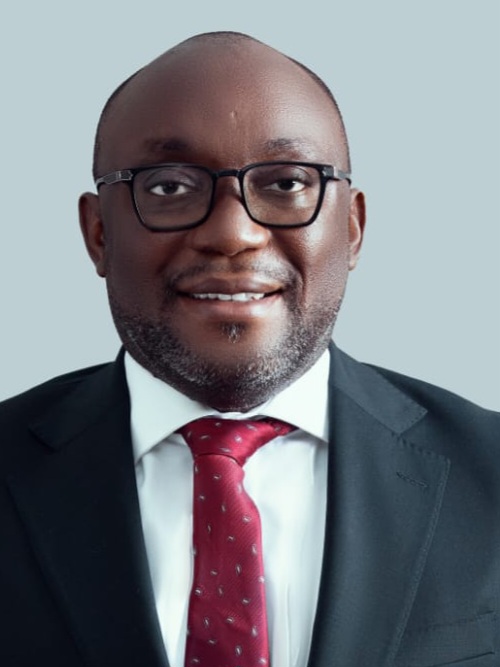
The development was reported on Wednesday, October 21, 2026, during TV3’s Ghana Tonight programme, where Mahdi Gibril, the NDC’s Director of Elections and IT, disclosed that Asiedu Nketiah would not be seeking another term as national chairman.
The announcement comes as the governing party intensifies preparations for its internal reorganisation and executive election, with constituency-level elections scheduled for October 24, 2026.
Asiedu Nketiah’s reported decision not to file for re-election has immediately raised questions about what comes next for one of the NDC’s most influential figures, especially as conversations about the party’s future presidential leadership are attracting increasing attention.
Although the decision not to contest the chairmanship has been attributed to the party’s Director of Elections and IT, no formal announcement confirming that Asiedu Nketiah intends to contest the NDC presidential primary has been made based on the information provided. Nevertheless, the timing has fuelled speculation that he could be considering a move beyond party administration to the highest political office in the country.
From NDC Organiser To National Chairman
Asiedu Nketiah, popularly known as General Mosquito, has spent decades building his political career within the NDC, rising through the party’s organisational structure before becoming one of its most recognisable and influential leaders.
He previously served MP in Wenchi West and later as General Secretary, where he played a central role in overseeing the NDC’s political activities, managing internal structures, and coordinating election campaigns.
In December 2022, he won the NDC national chairmanship election, defeating incumbent Samuel Ofosu-Ampofo. His victory marked a major transition within the party and placed him at the centre of its national political machinery.
As national chairman, Asiedu Nketiah became a prominent figure in the NDC’s return to power under President John Dramani Mahama following the December 2024 general election. His long experience in party organisation and campaigning has contributed to his standing among sections of the party’s grassroots membership.
However, his tenure has also been marked by disagreements over internal party management, leadership decisions and the direction the NDC should take as it balances governing responsibilities with preparations for future elections.
His reported decision not to seek another term therefore represents a potentially significant moment for the party, which must now consider its leadership arrangements while maintaining cohesion across its national and constituency structures.
Is Asiedu Nketiah Preparing for a Presidential Contest?
The possibility of Asiedu Nketiah entering the race for the NDC’s presidential nomination is likely to become a major subject of discussion following the report that he will not contest the chairmanship again.
For months, political observers have speculated about his long-term ambitions, particularly after he made remarks suggesting that he had not ruled out any political position.
During an interview on JoyNews’ PM Express in August 2026, Asiedu Nketiah spoke about political ambition and indicated that he had never ruled out any position in his political life. He argued that ambition was a natural part of politics but did not make a definitive declaration that he would contest the presidency.
His comments prompted further debate about whether his extensive experience in the NDC could eventually leadhim to seek the party’s presidential nomination.
The decision not to seek another term as chairman may now intensify those discussions. However, choosing not to contest the chairmanship does not automatically mean that a presidential campaign is imminent. Asiedu Nketiah could have several reasons for stepping aside, and his intentions would need to be confirmed through a formal declaration.
If he eventually enters the presidential race, he could face competition from other prominent NDC figures seeking to succeed Mahama when the party selects its candidate for the 2028 general election.
The potential contest would be particularly consequential because the NDC’s next presidential candidate would inherit the responsibility of defending the party’s electoral position and presenting a vision for the country’s future.
His Position on the Debate Over Mahama’s Possible Third Term
Asiedu Nketiah’s reported decision comes against the background of public debate about President Mahama’s political future and speculation over whether he could seek another presidential term.
Mahama returned to office in January 2025 after winning the December 2024 election. Discussions about the 2028 election have therefore increasingly included questions about succession within the NDC and whether another candidate will eventually emerge to lead the party into the next presidential contest.
The debate has also involved differing interpretations of Ghana’s constitutional provisions on presidential tenure. Article 66 of the 1992 Constitution limits a person from being elected president more than twice, although arguments have emerged about how the provision should be interpreted in relation to Mahama’s previous periods in office.
Any claim that Mahama will seek a third term, or that the courts have cleared such a bid, must be distinguished from political speculation and the legal questions being debated. A definitive position depends on the Constitution and any authoritative judicial determination applicable to the issue.
Within this politically sensitive environment, Asiedu Nketiah’s own position on presidential succession has attracted attention. His supporters and critics may interpret his reported decision to leave the chairmanship differently, particularly if he eventually announces that he intends to seek the NDC’s presidential nomination.
If he enters the contest, he would have to address questions about his vision for the country, his leadership credentials and how his candidacy would relate to the party’s existing leadership and succession arrangements.
However, it would be premature to conclude that his decision not to seek re-election as chairman is proof that he is preparing to challenge Mahama or that he has taken a definitive position against a third-term bid.
The NDC’s Leadership Succession Question
The reported development could also open a new chapter in the contest for influence within the NDC.
The national chairmanship is one of the party’s most important organisational positions, with responsibility for overseeing party administration, maintaining internal cohesion and helping coordinate its political structures.
A decision by the incumbent not to seek another term would therefore create an opportunity for other senior party figures to compete for the position.
The succession process could become especially sensitive because the party is currently in government and must balance internal electoral competition with the demands of governance.
A contested chairmanship election could bring competing factions and political interests into sharper focus, particularly if some members believe the next chairman should be closely aligned with the party’s current leadership while others favour a more independent approach.
Asiedu Nketiah’s influence means that his eventual position on the succession process could matter even if he does not personally contest the chairmanship again.
The NDC will also have to ensure that its internal elections are conducted in accordance with the party’s rules and that the process does not undermine unity ahead of future national elections.