BY Issah Olegor
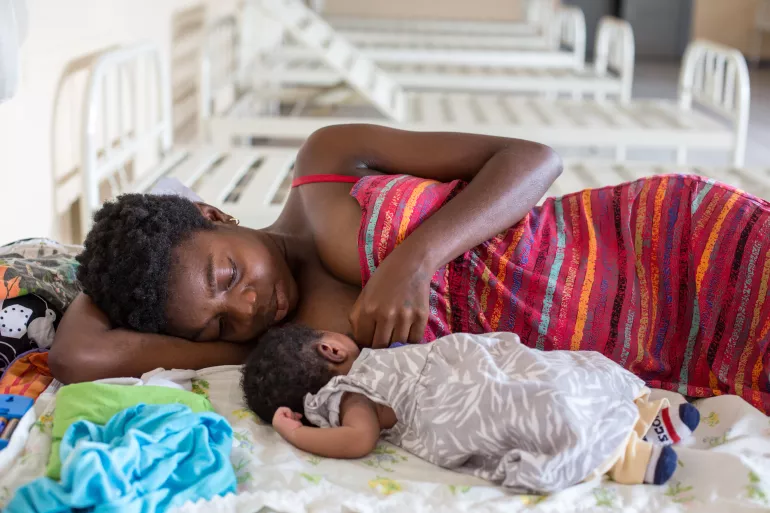
The exclusive breastfeeding rate in Ghana has stalled at 42%, far below the international target of 60% by 2030. According to the Nutrition Manager at UNICEF Ghana, Dr. Annette Imohe, Ghana’s progress in exclusive breastfeeding has slowed from 46% to 53% over the past decade.
Dr. Imohe made this revelation at the launch of the 2025 World Breastfeeding Week in Accra.
Barriers To Exclusive Breastfeeding
Dr. Imohe identified several structural and cultural barriers that impede exclusive breastfeeding, including inadequate knowledge among mothers, lack of family support, and cultural myths.
She emphasized that achieving higher rates requires a multi-level approach, including better implementation and enforcement of existing policies such as the National Nutrition Policy and Legislative Instrument 1667.
Economic Benefits of Breastfeeding
Dr. Imohe highlighted the economic benefits of breastfeeding, stating that for every $1 invested in breastfeeding, there is a return of up to $35.
She also emphasized that breast milk is not only the first vaccine but also an economic equalizer.
Ghana Health Service Perspective
The Director of the Family Health Division of the Ghana Health Service (GHS), Dr. Kennedy Brightson, noted that more than half of Ghanaian babies are missing out on the full benefits of breast milk.
He attributed the low uptake to misconceptions about breastfeeding and inadequate support in workplaces.
Benefits of Breast Milk
Dr. Charity Binka, Executive Director of Women, Media and Change (WOMEC), emphasized the numerous benefits of breast milk, including protection against infections, sudden infant death syndrome, diarrhea, pneumonia, malnutrition, and child obesity.
She also noted that breastfeeding benefits mothers by reducing the risk of postpartum hemorrhage, breast and ovarian cancers, type 2 diabetes, and postnatal depression.
Dr. Binka urged stakeholders to act with urgency, referencing data showing that nearly one in five children in the country is suffering from malnutrition.