News Desk
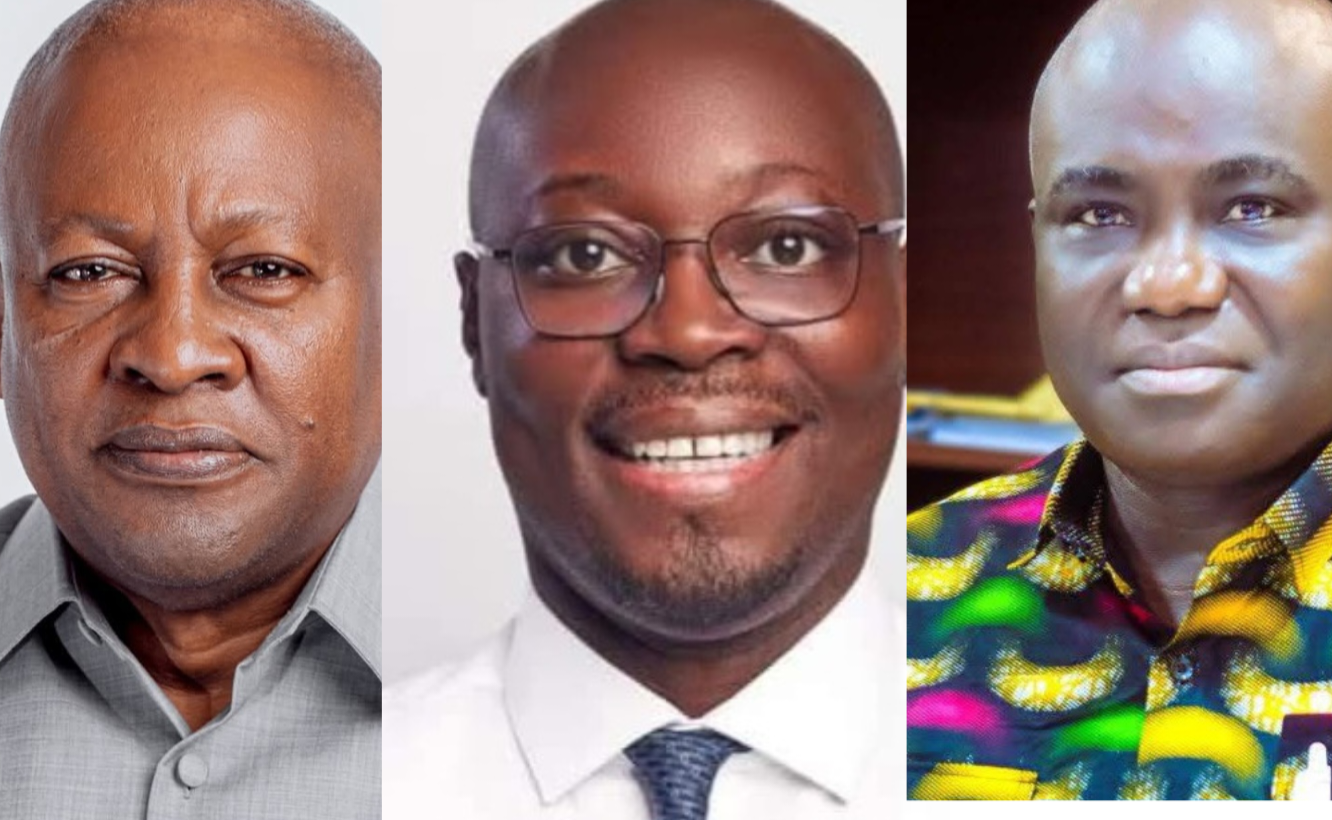
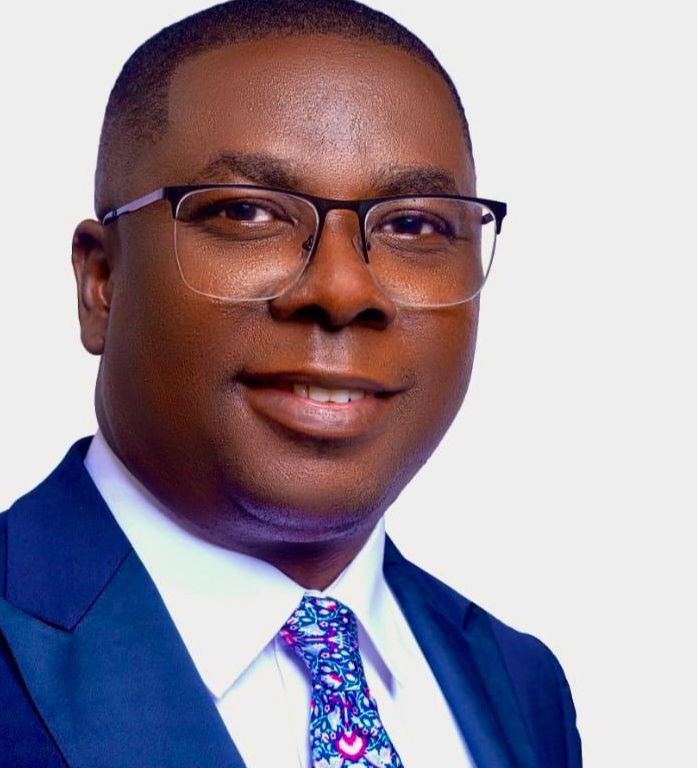
The Member of Parliament for Tano North and Deputy Ranking Member of Parliament’s Finance Committee, Dr Gideon Boako, has criticised what he describes as an excessive focus on macroeconomic indicators, arguing that economic growth must ultimately translate into jobs, higher incomes and improved living standards.
According to him, the greatest test of the government’s economic policies is whether young people can secure decent employment and whether businesses, farmers and households are experiencing meaningful improvements.
He said a young graduate would gain little from lower inflation or a reduced fiscal deficit if there was no job available after completing university.
“A young graduate does not celebrate a lower fiscal deficit if there is no job waiting after university. A farmer does not benefit from higher GDP figures if poor roads continue to prevent produce from reaching markets,” he said.
Dr Boako also argued that traders and businesses judge the economy by the purchasing power of consumers, access to credit and the ability to sustain operations, rather than by fiscal indicators alone. He said contractors waiting to be paid and farmers struggling with poor roads similarly feel little benefit from fiscal surpluses that do not translate into actual economic activity.
He said Ghana had achieved periods of macroeconomic stability in the past. Still, the country’s recurring economic challenges showed that stability must be converted into productive investment, industrialisation, employment and rising incomes.
“Macroeconomic stability should never become the final destination. It should be the platform from which governments build prosperity,” he said.
Dr Boako said the real measure of the current recovery would therefore be whether factories expand production, agriculture becomes more productive, exports diversify, infrastructure improves and young Ghanaians find meaningful employment.
“That is the transformation Ghanaians are still waiting for,” he said.
The Tano North MP questioned the government’s fiscal strategy, arguing that reduced public expenditure should not be celebrated as fiscal discipline when it results in the cancellation or postponement of development projects.
He said while government has highlighted improvements in its fiscal position, the reported underspending against amounts approved by Parliament raises concerns about whether the gains reflect greater efficiency or simply a failure to implement planned projects.
He cited an International Monetary Fund report which, according to him, indicates that about 1,800 ongoing projects had been cancelled and roughly 2,000 others rephased.
He said the affected projects included roads, drainage systems, schools, hospitals, teacher and health-worker accommodation, agricultural warehouses and electricity infrastructure, all of which have direct implications for communities and households.
“Is Government genuinely becoming more efficient, or are projects simply not being implemented as planned?” Dr Boako asked, arguing that the government should not sacrifice development expenditure merely to achieve favourable fiscal indicators.
He compared the approach to a household that improves its finances by postponing essential repairs and obligations.
“A family can appear financially healthy by postponing roof repairs, delaying children’s school needs or refusing to fix a leaking pipe. The monthly budget may look impressive, but the underlying problems continue to grow,” he said.
Dr Boako maintained that genuine fiscal prudence must strike a balance between controlling expenditure and investing in projects that expand economic opportunities and improve living standards.
“Fiscal discipline should never become an excuse for development paralysis,” he said. Then show me the presence