By Nadia Ntiamoah
The International Monetary Fund (IMF) has raised fresh concerns about the growing influence of political actors in the appointment of board members and executives of Ghana’s State-Owned Enterprises (SOEs), warning that the practice could weaken corporate governance, accountability and effective oversight.
The concern is contained in an IMF Technical Assistance Report titled “Advancing SOE Fiscal Risks Management, Financial Oversight, Governance, and Investment Implementation,” published in July 2026.
The report points to a gap between Ghana’s legal framework, which provides for merit-based appointments, and the manner in which boards of major state-owned enterprises are constituted in practice.
According to the IMF, the selection of board members for major SOEs remains highly centralised, with significant influence resting with the Presidency. It noted that active politicians, Cabinet ministers, Members of Parliament and prominent political party officials continue to occupy board positions, including leadership positions at some of the country’s most strategically important state institutions.
GPHA Board Becomes IMF’s Example
The IMF specifically cited the Ghana Ports and Harbours Authority (GPHA) as an example of the political influence it identified in the governance of SOEs.
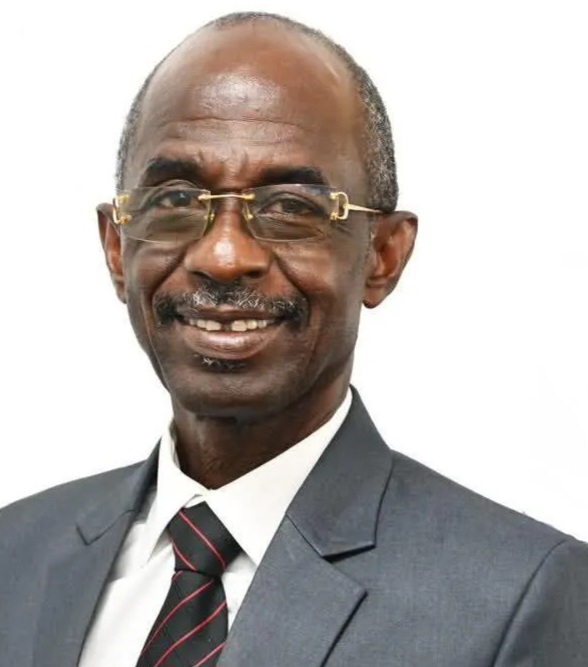
The Fund pointed to the newly inaugurated ten-member GPHA board, which it said is chaired by the national chairman of the governing political party.
It also cited the Volta River Authority (VRA), noting that its board includes prominent politicians alongside technocrats and a traditional leader.
“In practice, boards of major SOEs are largely dominated by political appointees, with board chairs frequently being ministers, members of parliament, or prominent party officials,” the report stated.
The IMF contrasted the Ghanaian situation with practices associated with the Organisation for Economic Co-operation and Development (OECD), where guidelines caution against active politicians serving on SOE boards and emphasise the importance of independent and professional majorities.
The Fund described Ghana’s current situation as a “significant divergence” from those norms.
Concern Over Who Really Holds CEOs Accountable
Beyond the composition of boards, the IMF raised concerns about the relationship between SOE boards and chief executive officers.
The report observes that although boards in Ghana may exercise informal influence over the tenure of CEOs, they are not ultimately responsible for appointing them.
The arrangement, according to the IMF, could create an accountability problem because boards may be expected to supervise and challenge executives without having full authority over their appointment.
The Fund warned that this situation could discourage boards from robustly questioning management decisions.
It could also create incentives for chief executives to pay greater attention to political principals than to the boards that are formally responsible for overseeing their performance.
Such an arrangement, the IMF suggested, risks weakening the fiduciary responsibilities of boards and reducing their effectiveness as independent oversight bodies.
Merit-Based Appointments Still Not Institutionalised
The IMF also identified what it described as weaknesses in the formal systems used to select and appoint board members and chief executives.
It said transparent and formal procedures for selecting SOE board members and CEOs remain insufficiently articulated and institutionalised.
The report noted that appointments at some state-owned entities are not consistently guided by clearly defined merit-based criteria, competency profiles or standardised vetting procedures.
According to the Fund, the absence of such systems increases the risk of political influence entering the appointment process.
“This can undermine SOE boards effectiveness, dilute fiduciary responsibility, and adversely affect SOE performance,” the report warned.
The concern is significant because SOEs control or participate in some of Ghana’s most important economic activities, including energy, transport, infrastructure and other strategic sectors.
Financial Performance Versus Governance Risks
The IMF’s assessment comes against the backdrop of ongoing efforts to improve the financial performance of Ghana’s state-owned enterprises.
The State Interests and Governance Authority (SIGA), in its 2025 State Ownership Report, reported significant improvements in the overall financial performance of specified state entities.
The report recorded combined net profits of GH¢19.8 billion among the SOEs covered by its assessment.
However, the IMF’s intervention suggests that improved financial figures alone may not be sufficient to guarantee sustainable performance if underlying governance weaknesses remain unresolved.