BY DANIEL BAMPOE
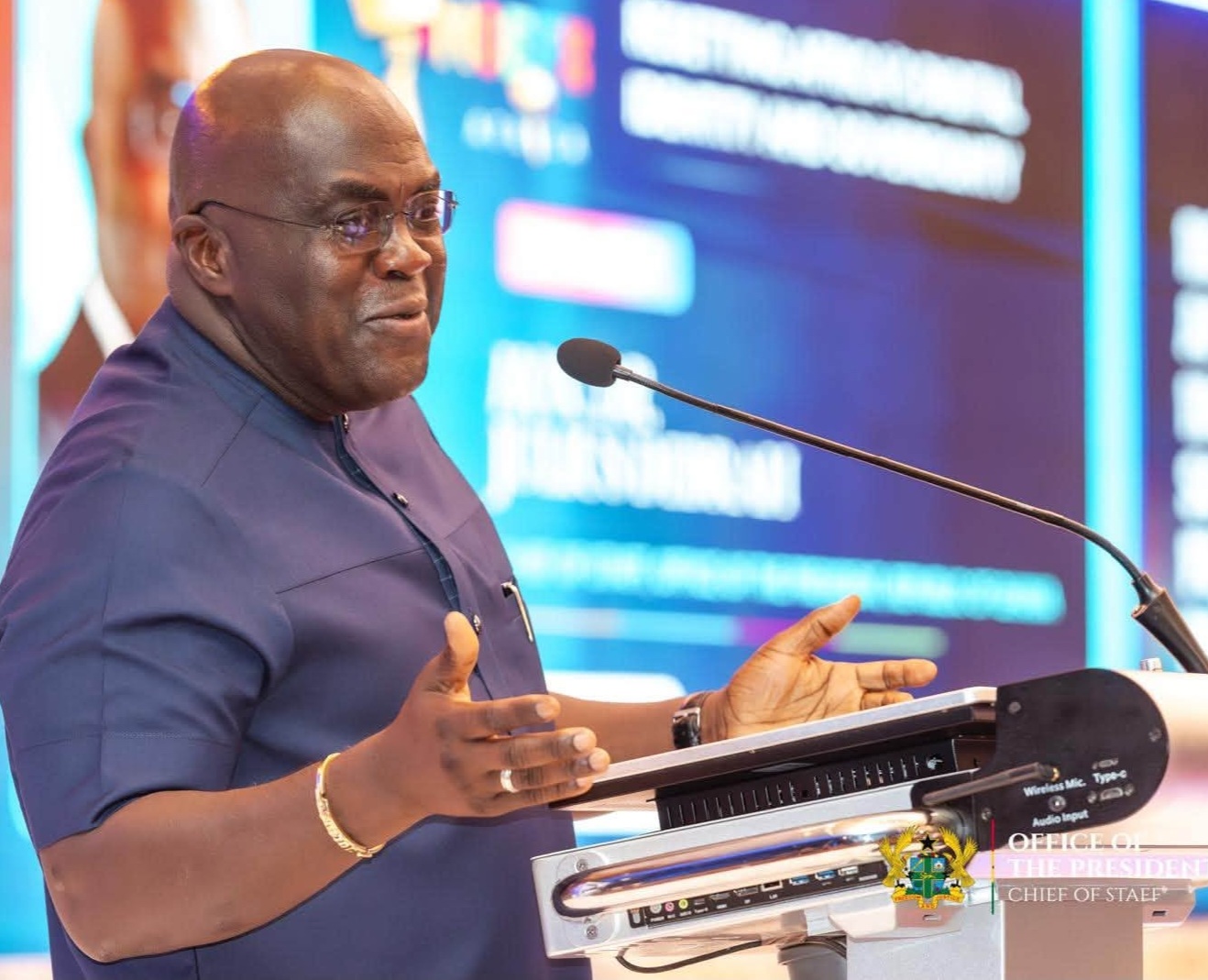
Chief of Staff, Dr Julius Debrah has reaffirmed the Mahama administration’s commitment to building a digitally empowered Ghana, highlighting the One Million Coders Programme as a major investment in young people and the country’s technological future.
In a statement shared following his participation in the 2026 MOBEX Africa Tech Expo and Innovation Conference, Dr Debrah said Ghana’s digital transformation agenda must go beyond developing technology to creating jobs, empowering businesses, improving public services and transforming lives.
The conference, held under the theme “Resetting Africa’s Digital Identity and Sovereignty: From Promise to Practice,” brought together industry leaders, innovators, entrepreneurs, policymakers and development partners to explore practical strategies for advancing Africa’s digital future.
Dr Debrah described the gathering as an important platform for discussions on the role of technology in economic development, stressing that the real value of innovation should be measured by the opportunities it creates and its impact on ordinary people.
He said the government, under President John Dramani Mahama, was taking deliberate steps to develop a digitally empowered and productive economy, with particular emphasis on equipping young people with skills relevant to the modern economy.
The Chief of Staff identified the One Million Coders Programme as a key component of the government’s strategy to expand digital skills, promote innovation and create pathways to employment and entrepreneurship.
According to him, the initiative is intended to equip young Ghanaians with essential technological competencies while enabling them to develop homegrown solutions to challenges facing the country.
Dr Debrah stressed that digital training must translate into practical benefits, including meaningful employment, sustainable livelihoods and opportunities for young people to establish businesses.
He maintained that Ghana’s digital transformation would be more impactful if the skills acquired by participants could be converted into innovative products, services and enterprises capable of contributing to national development.
The programme therefore forms part of the administration’s broader ambition to prepare the country’s workforce for a technology-driven economy and ensure that young people can participate in emerging opportunities within the digital sector.
Beyond Ghana’s domestic priorities, Dr Debrah called for greater cooperation among African countries to strengthen the continent’s digital sovereignty.
He argued that protecting data, developing local technological capabilities and strengthening digital infrastructure must go hand in hand with regional integration, interoperable systems and cross-border digital trade.
According to him, digital sovereignty should not isolate African countries from the global economy but instead strengthen their ability to participate in it confidently and competitively.
He emphasised that African nations needed to develop their own technological capacity while building systems that would allow businesses, governments and citizens to benefit from greater continental cooperation.
The Chief of Staff’s remarks reflect a growing policy focus on reducing excessive dependence on foreign technology and strengthening Africa’s ability to manage its digital infrastructure, protect information and develop solutions suited to its needs.
He said achieving these objectives would require sustained commitment and collaboration among governments, technology companies, entrepreneurs, development partners and other stakeholders.