BY Nadia Ntiamoah
President John Dramani Mahama has stepped up engagement with Civil Society Organisations (CSOs) in what appears to be a strategic move to reinforce his administration’s commitment to transparency and accountability, amid mounting scrutiny over procurement practices—particularly the use of sole sourcing in government contracts.
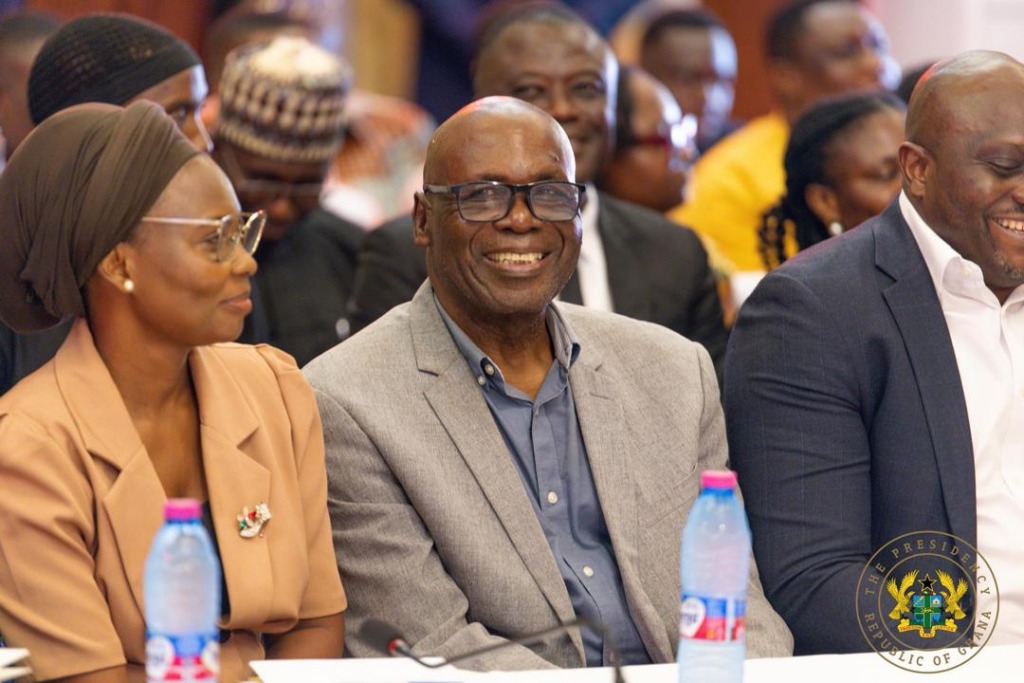
Speaking at a high-level dialogue with civil society actors at the Jubilee House in Accra, President Mahama announced that his government would introduce amendments to the Public Procurement Act aimed at limiting the use of single-sourced procurement.
The proposed reform, he explained, is intended to ensure greater value for money and enhance transparency in the award of public contracts, especially at a time when concerns about procurement integrity have taken centre stage in national discourse.
A Policy Shift On Sole Sourcing
The President was unequivocal in his stance, stressing that sole sourcing must be used “as sparingly as possible.”
He indicated that the planned amendments would tighten the conditions under which the method can be applied, while introducing additional layers of oversight.
“It is precisely for such situations that government will introduce amendments to the Public Procurement Act to limit single sourcing,” he stated, adding that the reforms would be developed in consultation with civil society stakeholders.
As part of the broader reform agenda, President Mahama has also directed the Ministry of Finance to fast-track the establishment of an Independent Value for Money Office. This body, once operational, will subject all sole-sourced contracts to rigorous scrutiny to ensure efficiency and cost-effectiveness.
Civil Society Engagement
The engagement with CSOs signals a deliberate attempt by the administration to bring non-state actors into the governance process, particularly in areas relating to accountability and anti-corruption.
President Mahama acknowledged the critical role of civil society in strengthening democratic institutions, noting that their work in advocacy, research, and monitoring remains essential to national development.
He emphasised that governance cannot be driven by government alone, but requires collaboration across all sectors of society to ensure that public resources are managed effectively and transparently.
Procurement Under Scrutiny
The President’s announcement comes against the backdrop of heightened public debate over procurement practices under the government’s flagship “Big Push” infrastructure programme.
Investigations by The Fourth Estate have raised concerns about the scale of sole-sourced contracts awarded within a short period, sparking calls for greater transparency and accountability in public spending.
These developments have placed procurement reform at the centre of national policy discussions, with civil society groups and governance experts urging the government to take decisive steps to address perceived gaps in oversight.
Reform As Response
The proposed amendment to the Procurement Act could represent one of the most significant policy responses to these concerns in recent years.
If passed by Parliament, the reform is expected to: Restrict the circumstances under which sole sourcing can be used, Introduce stricter approval and review mechanisms, Enhance transparency in contract awards and Strengthen institutional oversight through independent value-for-money assessments.
Governance Beyond Procurement
Beyond procurement reforms, President Mahama used the platform to reiterate his administration’s broader governance priorities, including ongoing efforts to review constitutional recommendations and deepen democratic processes.
He also called for constructive engagement on national issues, emphasising dialogue, respect for democratic principles, and adherence to the rule of law as key pillars of governance.
While the announcement has been welcomed in policy circles, analysts caution that the success of the reforms will ultimately depend on implementation.
Past efforts to reform procurement systems have often faced challenges, including weak enforcement and institutional bottlenecks. As such, the proposed amendments and the establishment of the Value for Money Office will require sustained political will and effective oversight to deliver meaningful change.
For now, the Mahama administration appears to be positioning itself as responsive to public concerns, seeking to rebuild confidence through engagement with civil society and a renewed focus on accountability.
Whether these reforms will translate into tangible improvements in procurement practices—and restore public trust—remains a critical question as Ghana navigates the intersection of governance, development, and transparency.