BY NADIA NTIAMOAH
The conclusion of the 2026 FIFA World Cup has triggered a major wave of managerial changes across African football, with several national teams already replacing their head coaches as attention shifts towards the next Africa Cup of Nations and qualification for the 2030 FIFA World Cup.
Despite Africa enjoying its most successful World Cup campaign in history, with a record nine nations progressing to the knockout stage under the tournament’s expanded 48-team format, several football associations have opted to begin a new era by changing leadership on the bench.
One of the latest departures is Cape Verde head coach Bubista, who resigned from his position after guiding the Blue Sharks to a historic Round of 32 appearance at the World Cup.
His impressive performances on the international stage earned him a move to Moroccan giants RS Berkane, bringing an end to one of the most successful coaching spells in Cape Verdean football history.
Algeria have also undergone a managerial change after mutually agreeing to part ways with experienced Bosnian coach Vladimir Petkovic. His departure comes only months after signing a contract extension, highlighting the unpredictable nature of football management despite Algeria’s World Cup participation.
In Senegal, the country’s football federation has dismissed head coach Pape Thiaw following the Teranga Lions’ exit from the tournament. The decision marks another significant change for one of Africa’s traditional football powerhouses as it seeks a fresh direction ahead of future international competitions.
Elsewhere, Ivory Coast and South Africa have also decided against renewing the contracts of their respective coaches, Emerse Fae and Hugo Broos. Both managers played important roles during their tenure, but their associations have chosen to begin a new cycle with different technical leadership.
Tunisia have already moved quickly to fill their vacancy by appointing former RS Berkane manager Moin Chaabani as the new head coach, with expectations high that he can rebuild the Carthage Eagles ahead of upcoming continental and global competitions.
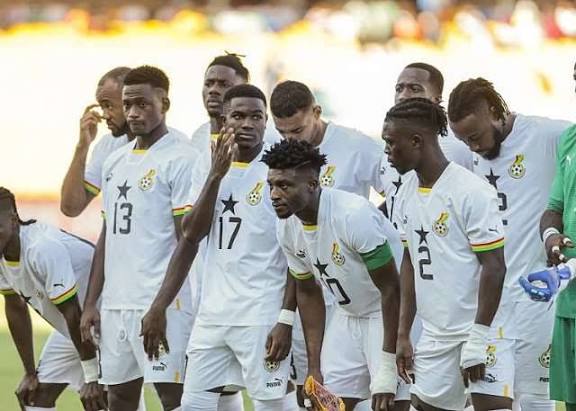
Attention has also focused on Ghana, where uncertainty surrounds the future of Black Stars coach Carlos Queiroz. The experienced Portuguese tactician guided Ghana to the Round of 32 at the 2026 FIFA World Cup before the Black Stars suffered a narrow 1-0 defeat to Colombia in the knockout stage.
Although Ghana exceeded expectations by progressing beyond the group stage after recording a victory over Panama, a goalless draw against England and a narrow defeat to Croatia, Queiroz appeared to suggest his tenure could be coming to an end through a social media message posted shortly after Ghana’s elimination.
However, the Ghana Football Association has yet to issue an official statement regarding his future.
The coaching reshuffle reflects the beginning of a fresh four-year cycle for many African national teams. With preparations already underway for the next Africa Cup of Nations and the qualifiers for the 2030 FIFA World Cup, football associations across the continent are reviewing their technical structures in a bid to build stronger and more competitive teams.