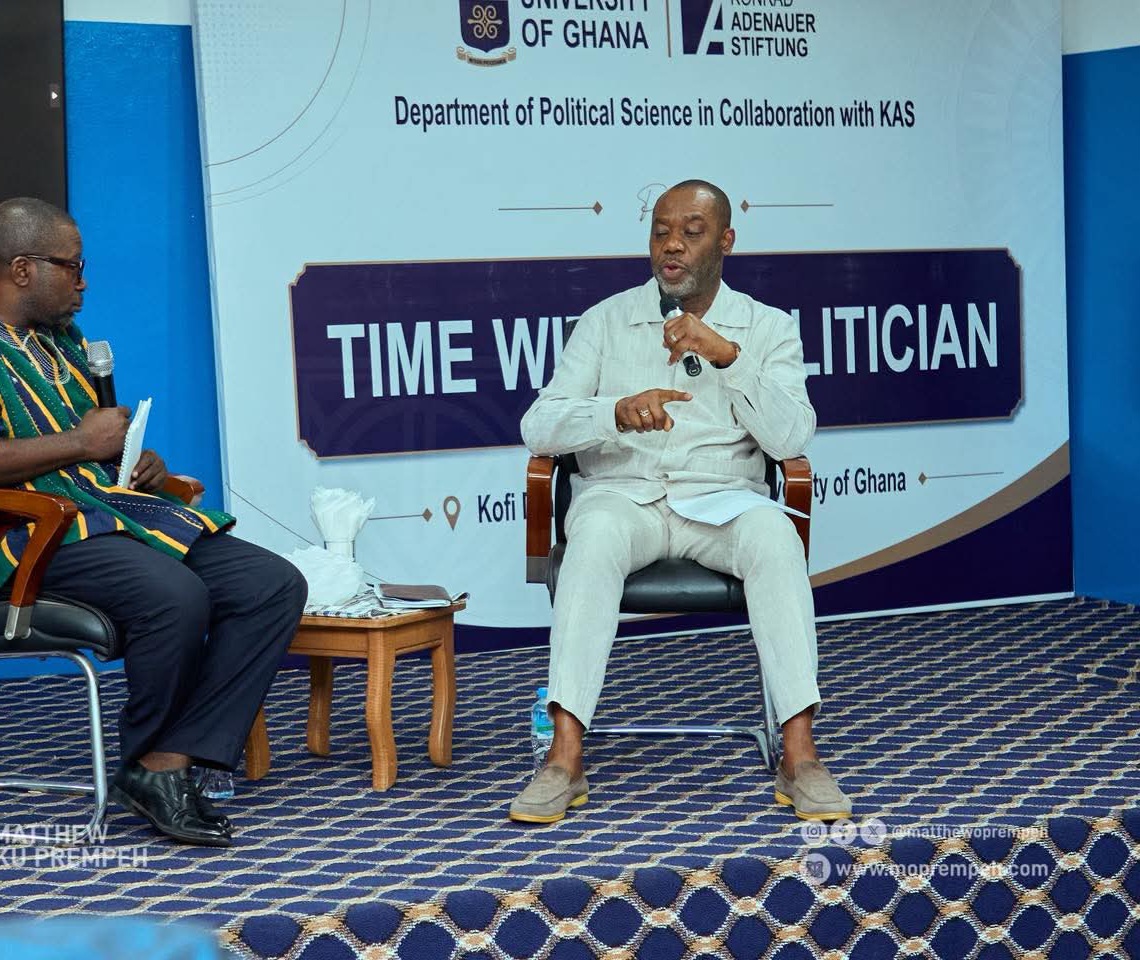
–BY Daniel Bampoe
University Teachers Association of Ghana (UTAG members at the University of Ghana have started talking about the betrayal of the group by their president, Prof Ransford Gyampo.
A senior lecturer at the University has ignited fresh controversy over the role of academic unionism in national politics, accusing Professor Gyampo of leveraging the 2024 University Teachers Association of Ghana (UTAG) strike for personal advancement.
Speaking on TV3, Dr. Joshua Jebuntie Zaato of the Department of Political Science called out Gyampo—his former colleague and now Director-General of the Ghana Shippers’ Authority, GSL,—alleging that he manipulated union activism in pursuit of a political appointment from the now-ruling National Democratic Congress (NDC).
“You were our UTAG president; you took us to strike on the eve of an election—an election of which you are a very big beneficiary,” Zaato charged, referring to the industrial action that disrupted tertiary education nationwide in late 2024.
Interestingly, Gyampo who is believed to be holding on to the UTAG position at the University of Ghana despite his betrayal and foray into government was on the same propramme with his former colleague, Dr. Zaato, defending his ‘paymasters’ particularly the plot to remove the Chief Justice, Gertrude Torkornoo.
UTAG Strike
The UTAG strike in question began few weeks to the December 7, 2024 general election over galamsey.
While the union officially framed the action as apolitical, critics and internal dissenters hinted at growing unease over the timing and rhetoric employed by its leaders.
Prof. Gyampo, who at the time served as UTAG’s President, was a visible face of the strike, frequently appearing on media platforms to defend the action.
The strike lasted several weeks and severely disrupted academic calendars across public universities, drawing both public sympathy and backlash.
Although government negotiators eventually reached a compromise with the union, the fallout lingered—especially as elections loomed just months later.
Now, with Prof. Gyampo elevated to a key position under the new NDC administration, some of his former allies believe his activism was less about union welfare and more about political calculation for his personal gains.
Zaato: GBA Criticism from Gyampo is Hypocritical
Dr. Zaato’s attack was triggered by Gyampo’s criticism of the Ghana Bar Association (GBA), which issued a resolution calling on President Mahama to reverse the suspension of Chief Justice Gertrude Torkornoo.
Ransford Gyampo dismissed the GBA’s intervention as lacking legitimacy, a stance Zaato said was ironic, given Gyampo’s own controversial union leadership.
“The GBA spoke with one voice,” Zaato said. “Just because it doesn’t have your signature doesn’t mean it’s not representative. The same way UTAG members from UPSA disagreed with the strike, but went along because it was a collective decision.”
Galamsey Debate
Prof. Gyampo has also come under fire from ruling party critics and opposition figures alike for what they describe as shifting political allegiances masked under academic neutrality.
NPP Fire
Earlier in April, Dennis Miracles Aboagye, a Communication member of the New Patriotic Party (NPP), accused Gyampo of “hypocrisy” over illegal mining, or galamsey.
According to Aboagye, Gyampo had harshly criticized the NPP’s efforts to curb illegal mining while remaining conspicuously silent now that the NDC government is employing similar tactics, such as deploying “river guards.”
“You screamed that we needed a state of emergency under the NPP. Now your party is doing the same thing, and you’re asking us to applaud?” Aboagye remarked.
He noted that Gyampo pretended to be politically neutral while using UTAG as a platform to attack the NPP and sway public opinion in favor of the NDC ahead of the 2024 polls.
Appointment Under Scrutiny
Prof. Gyampo’s appointment as CEO of the Ghana Shippers’ Authority by President Mahama has added fuel to the fire.
Critics argue the move confirms suspicions that his activism during the UTAG strike and his public commentaries were aligned with partisan interests to build ‘stomach infrastructure’.