BY Daniel Bampoe
Authorities of St. Stephen’s Presbyterian Senior High School (STEPSS) at Asiakwa in the Abuakwa South Municipaltiy of the Eastern Region have highlighted several pressing infrastructure challenges confronting the institution, even as the school recently received a newly constructed ultra-modern AstroTurf park aimed at promoting sports and physical activity among students.
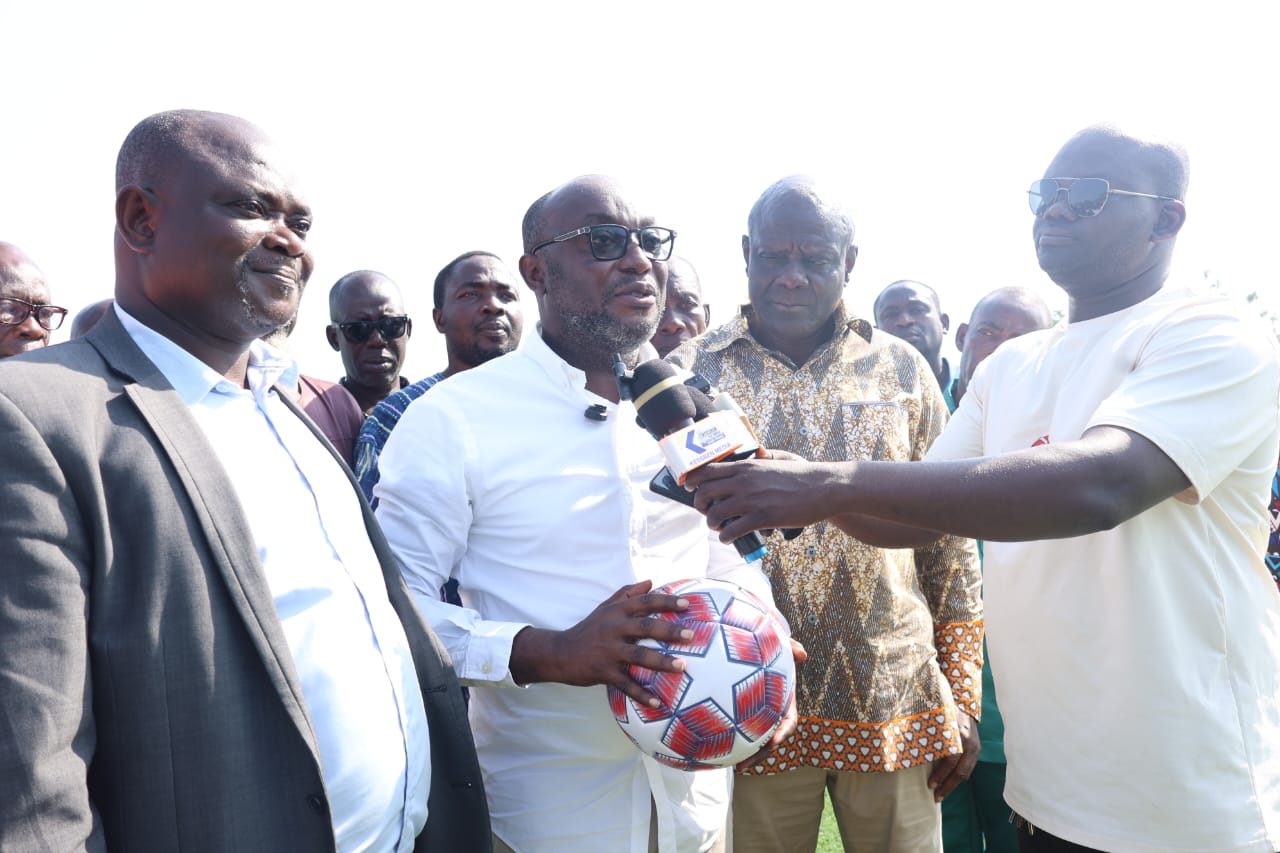
The facility was officially handed over by the Member of Parliament for Abuakwa South, Dr. Kingsley Agyemang. The project forms part of broader efforts to expand sporting infrastructure and encourage healthy lifestyles within schools and surrounding communities.
Speaking during the ceremony, the Headmaster of STEPSS, Rev. Edward Asamoah Boateng, expressed profound gratitude to the MP for the initiative, describing the AstroTurf facility as a significant addition to the school’s development.
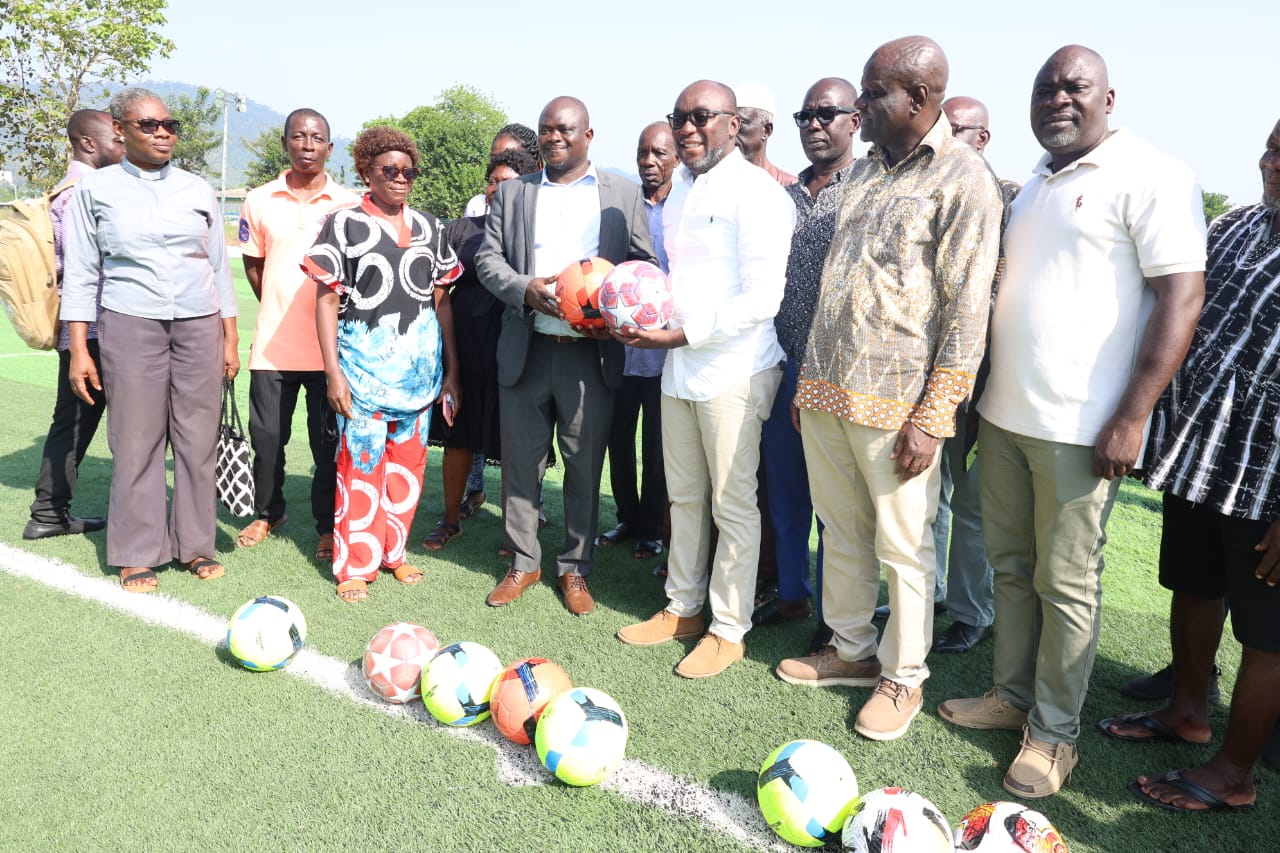
According to him, the contribution by Dr. Agyemang would remain a notable chapter in the history of the institution.
“On behalf of the Board of Governors, management, and on my own behalf, we are very grateful. We can never write the history of this school without mentioning him because the AstroTurf is a very magnificent edifice that he has provided for us,” Rev. Boateng said.
He assured the MP that the school authorities would ensure the facility is used strictly for the purpose for which it was constructed. The headmaster emphasized that the AstroTurf would be reserved solely for sports and physical activities and would not be allowed to host unrelated social events.
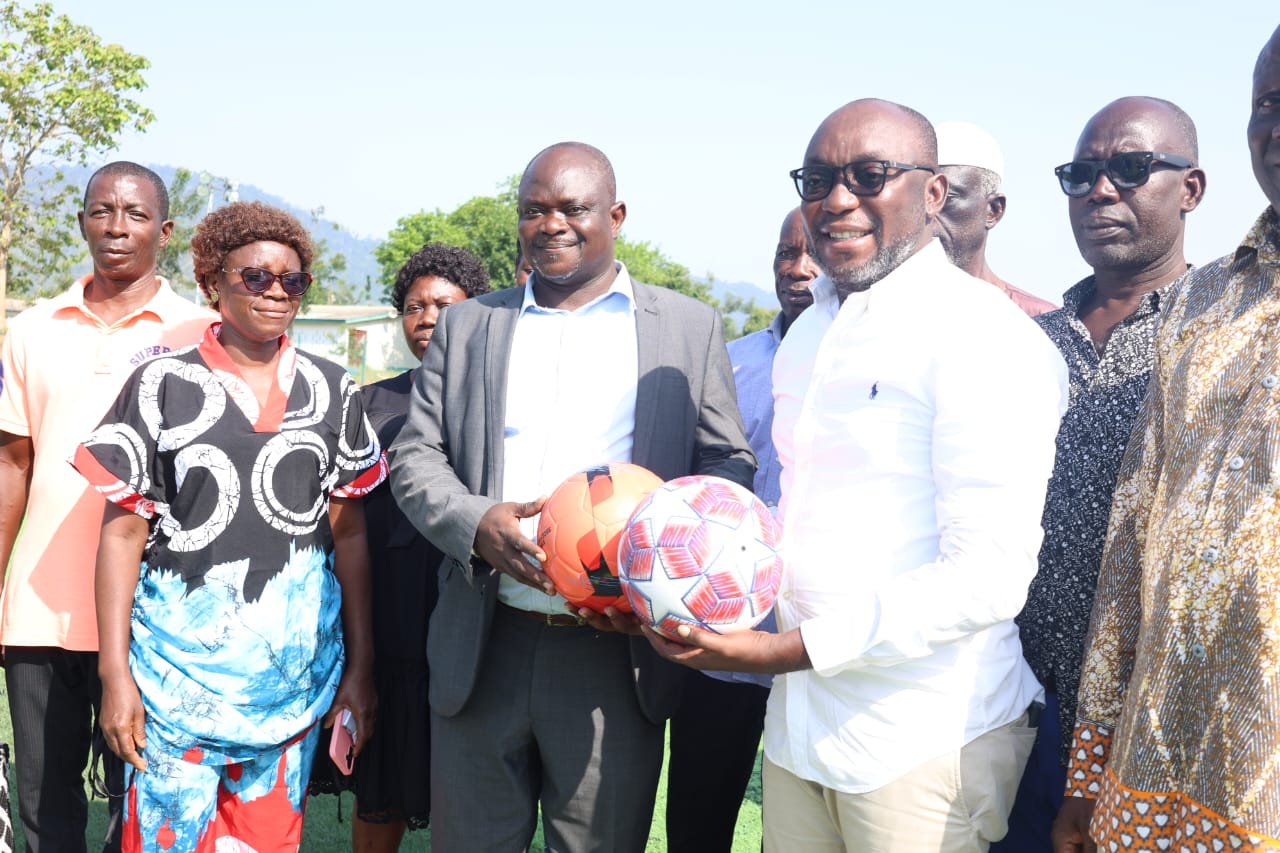
“We will ensure that it is used for the purpose for which it was constructed. Sometimes people want to use such places for funerals and other gatherings, but we will not allow that. It will be used for sports activities,” he stated.
Despite welcoming the facility, Rev. Boateng used the occasion to draw attention to several ongoing infrastructural challenges facing the school.
One major concern, he explained, is the difficulty in organizing athletics training following the construction of the AstroTurf pitch. While the new facility supports football and other sporting activities, the school lacks an athletics track where students can train for running events.
According to him, the absence of such a facility forces the school to transport students to other schools for athletics practice sessions, an arrangement that comes with logistical and financial burdens.
“In this school we don’t only play football. We also run athletics. But with the AstroTurf here, we don’t have space for athletics. So whenever we need to train, we have to transport students to other schools. That comes with a cost, and sometimes when you take students outside, not all of them return easily,” he explained.
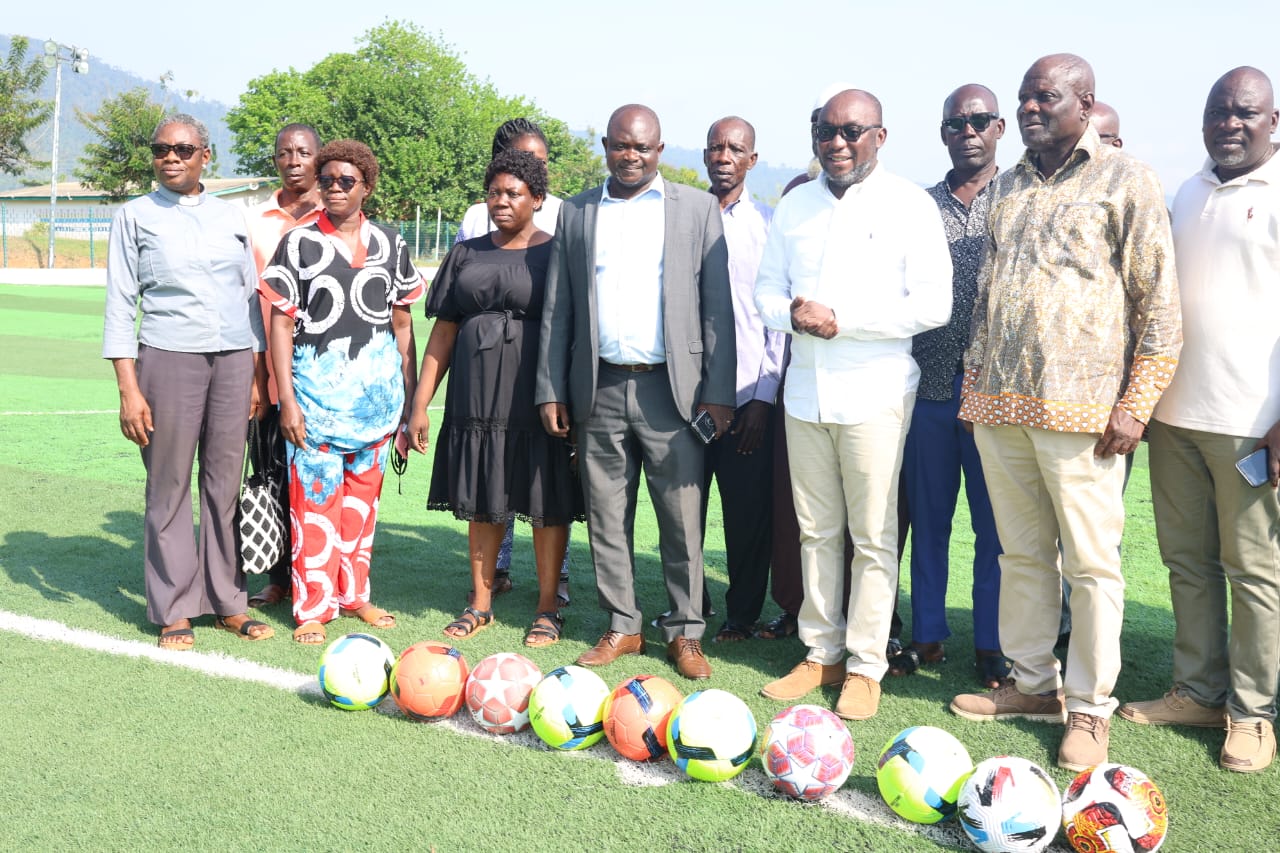
The headmaster further revealed that efforts by the school to construct an athletics oval were halted due to a land dispute involving the family of the school’s founder.
According to Rev. Boateng, construction machinery had already been deployed and work had begun when members of the founder’s family intervened and demanded that discussions be held regarding the ownership of the land before work could continue.
“We had wanted to construct an athletics oval. We even brought in the machines and started work, but after two days some people came and stopped us. They said the land belongs to the family of the founder of the school and that we should sit down and discuss the matter,” he recounted.
Beyond sports infrastructure, the headmaster noted that the school also faces challenges with key facilities such as its assembly and dining hall, which currently serves multiple functions but has become inadequate for the growing student population.
“This building serves both as our dining hall and assembly hall, but it is uncomfortable for the students. We need to expand and complete other structures to address this,” he said.
He also highlighted shortages in furniture, staff accommodation, classrooms, and dormitory space, stressing the need for further development to support the school’s academic activities and student welfare.
Meanwhile, Dr. Kingsley Agyemang, speaking to journalists after handing over the facility, said the AstroTurf project was part of a broader vision to promote physical education and preventive healthcare through increased physical activity.
He explained that the importance of sports infrastructure has become even more urgent following concerns about rising non-communicable diseases (NCDs) in Ghana.
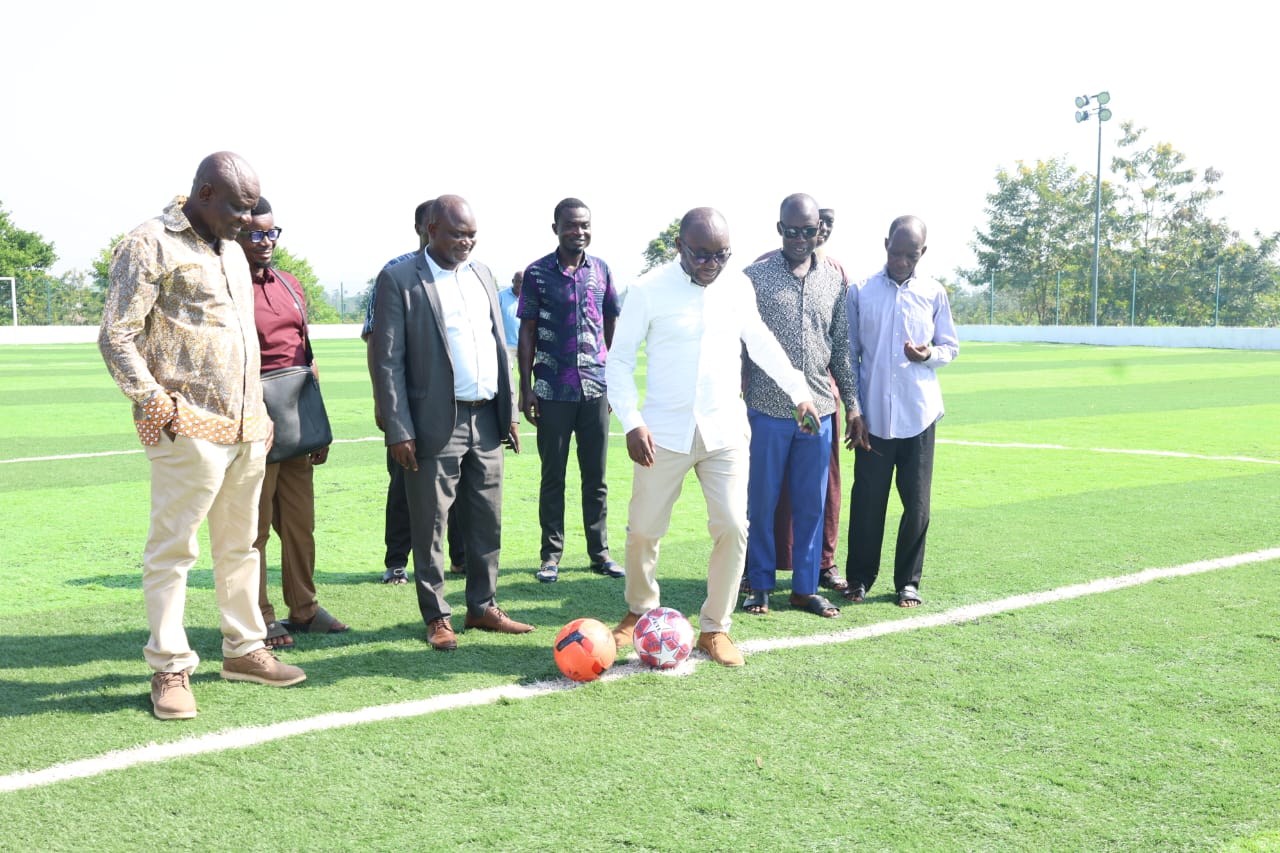
Referencing remarks made in the President’s State of the Nation Address, the MP noted that a significant proportion of deaths in the country are linked to non-communicable diseases such as heart conditions and diabetes, which are often associated with sedentary lifestyles.
“Physical education is very key and physical activity is very important. The President emphasized that one out of every two deaths in Ghana is linked to non-communicable diseases. We cannot wait for people to fall sick before we act; we must focus on prevention,” he said.
Dr. Agyemang explained that the AstroTurf facility was therefore designed not only to serve STEPSS students but also the wider Siakwa community and the Abuakwa South constituency.
The facility is equipped with a modern floodlighting system, allowing it to be used at any time of the day or night.
“With the floodlights installed here, even at dawn, midnight, or late at night, people can come here and exercise. If anyone wants to see how a 24-hour economy operates, they can see it here through sports and physical activity,” he added.
The MP further noted that the sustainability of such infrastructure requires shared responsibility between those who finance the projects and the communities that use them.
According to him, his office would continue to work closely with the school authorities and community members to ensure proper maintenance and management of the facility.
“Whenever we hand over a facility like this, it is a shared responsibility between those who financed it and the people who use it. We don’t simply hand it over and walk away. We remain involved to ensure it serves generations,” he said.
Dr. Agyemang also explained that the decision to locate the facility within the school environment was deliberate, as it provides a more controlled setting that ensures proper management and prevents misuse.
“We could have located it in the town centre, but we intentionally placed it here in the school so that it can be managed properly. I am confident that the school authorities will not allow it to be used for activities such as funerals or unrelated events,” he stated.
The commissioning of the AstroTurf marks a significant boost for sports development at STEPSS, even as school authorities continue to seek solutions to the broader infrastructure challenges facing the institution.