BY NADIA NTIAMOAH
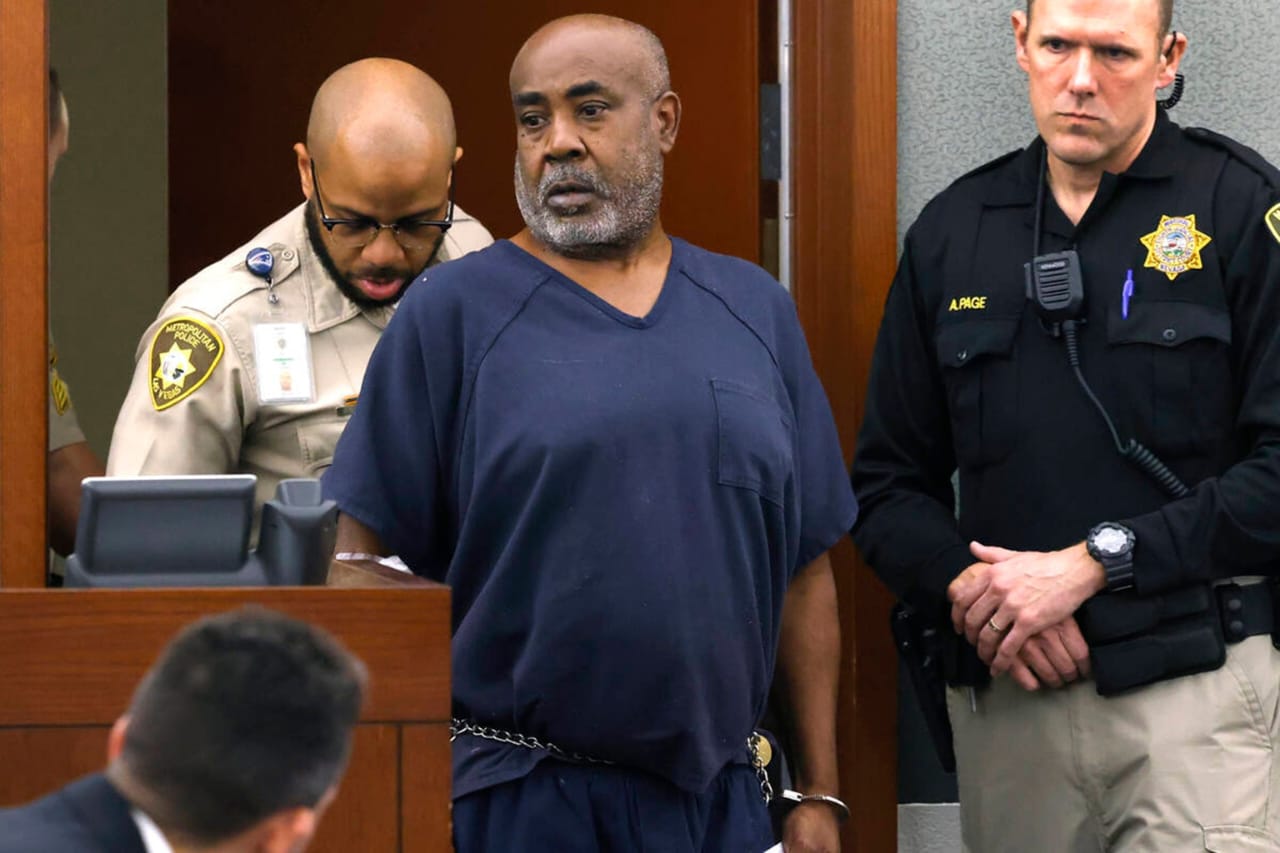
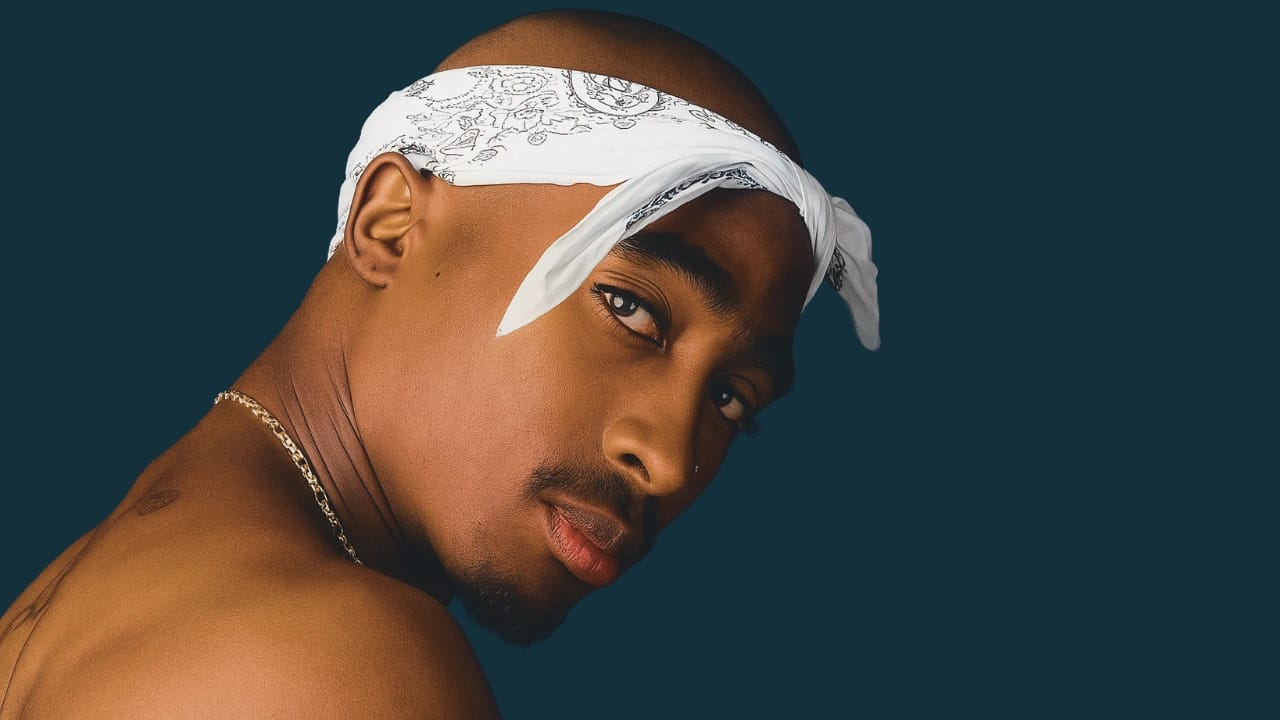
Nearly three decades after the death of legendary American rapper Tupac Shakur, his family has welcomed the conviction of Duane “Keffe D” Davis, describing the verdict as a long-awaited moment of relief in one of hip-hop’s most enduring murder mysteries.
Davis, 63, was found guilty by a Las Vegas jury on August 31, 2026, in connection with Tupac’s 1996 killing after jurors deliberated for less than three hours. He was convicted of murder with the use of a deadly weapon and of committing the offence with the intent to promote, further or assist a criminal gang.
The conviction means Davis could face a life sentence when he is sentenced on October 13, 2026.
For the Shakur family, the verdict represents a major development in a case that has remained unresolved for almost 30 years and has continued to attract enormous public interest. In a statement released on September 1, the family said they were “elated and relieved” by the jury’s decision and expressed appreciation for the jurors’ consideration of the evidence presented during the trial.
The family also used the occasion to remember Tupac’s mother, Afeni Shakur, whose determination and belief in her son remained an important part of the family’s long-running pursuit of answers surrounding his death.
They praised the people who had continued to support the search for justice, including Tupac’s supporters, friends, marshals and advocates who remained engaged with the case over the years.
However, the conviction has not answered every question surrounding the rapper’s death.
A central mystery remains the identity of the person who actually fired the shots that killed Tupac. Prosecutors did not claim that Davis himself pulled the trigger. Instead, their case was that Davis played a key role in organising the attack and provided the firearm used in the shooting.
Authorities have maintained that the person who fired the fatal shots was either Davis’s nephew, Orlando “Baby Lane” Anderson, or another individual inside the vehicle involved in the attack.
Anderson had previously denied involvement in Tupac’s killing but died in 1998, just two years after the rapper’s death, without ever being charged in connection with the case.
Tupac was shot in a drive-by attack near the Las Vegas Strip on September 7, 1996, while travelling in a BMW with Death Row Records co-founder Marion “Suge” Knight.
The rapper was struck multiple times during the attack and was rushed for medical treatment. He died from his injuries six days later at the age of 25.
His death sent shockwaves through the music industry and intensified a violent period in the rivalry between factions associated with the West Coast and East Coast hip-hop scenes.
Tupac had become one of the most influential figures in rap before his death, building a reputation not only through his music but also through his outspoken views on poverty, racism, violence, inequality and life in America’s inner cities.
His murder subsequently became one of the most closely watched unsolved cases in popular culture, generating numerous theories and speculation over who ordered the attack, who carried it out and what role different individuals played.
Davis, a former member of the South Side Compton Crips, eventually emerged as a significant figure in the investigation. Prosecutors argued that his involvement was important to the events that led to the shooting, even though the prosecution’s case stopped short of alleging that he personally fired the weapon.