By Daniel Bampoe
The West African Examinations Council (WAEC) has cancelled the results of 601 candidates who sat the 2026 Basic Education Certificate Examination (BECE) for JHS candidates over various forms of examination malpractice, while withholding the results of another 167 candidates pending investigations.
The Council has also withheld the subject results of 2,722 candidates from 229 schools across the country as it intensifies investigations into suspected examination irregularities.
The sanctions were announced as WAEC officially released the provisional results of the 2026 BECE, bringing to an end weeks of anticipation for more than 620,000 candidates who participated in this year’s national examination.
In a statement issued on Wednesday, July 29, WAEC said the results had been dispatched to schools through the various Metropolitan, Municipal and District Directors of Education, while candidates could also access their results online through the Council’s official results portal.
According to the Council, a total of 620,243 candidates, made up of 304,415 males and 315,828 females, sat for the examination.
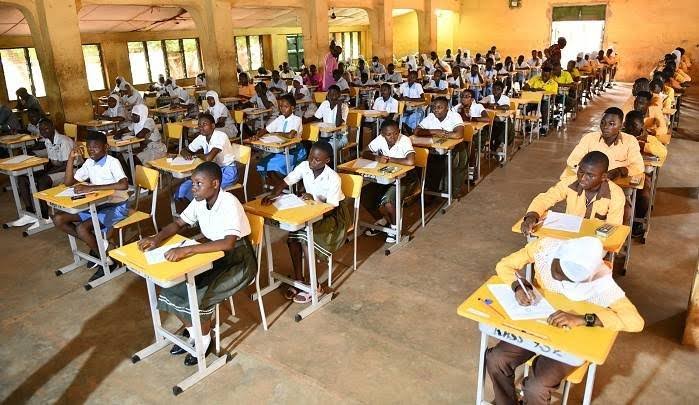
The candidates were drawn from 20,789 schools and wrote the examination at 2,237 examination centres nationwide.
WAEC further disclosed that 3,601 registered candidates were absent throughout the examination period.
The Council also made special arrangements for candidates with special educational needs, including 136 visually impaired candidates, 282 hearing-impaired candidates and 510 other candidates who required additional educational support.
Despite the successful conduct of the examination, WAEC said investigations by its 37th Meeting of the Final Awards and Examiners’ Appointment Committee established various cases of examination malpractice, leading to disciplinary sanctions against affected candidates.
According to the Council, the subject results of 496 candidates have been cancelled after they were found to have engaged in examination irregularities.
In addition, the entire results of 105 candidates have also been cancelled, bringing the total number of cancelled results to 601.
WAEC further announced that the subject results of 119 candidates have been withheld, while the entire results of 48 candidates have also been withheld pending the outcome of ongoing investigations into alleged examination offences.
Beyond those cases, the Council disclosed that the subject results of 2,722 candidates from 229 schools have been withheld for further scrutiny.
WAEC said investigations into those cases are expected to be completed by August 31, 2026, after which the affected results will either be released or cancelled depending on the findings.
The Council advised candidates whose results have been cancelled or withheld to visit its irregularities portal or use the dedicated withheld and cancelled results section on the WAEC website to obtain details of the decisions affecting them and any subsequent procedures.
School authorities have also been directed to access the information using their official login credentials.
WAEC used the opportunity to caution candidates, parents and the general public against fraudsters who claim they can alter, upgrade or manipulate examination results in exchange for money.
The Council stressed that its examination results are secure, tamper-proof and fully verifiable, warning that anyone who patronises such fraudulent schemes does so at their own risk.
The release of the 2026 BECE results marks another important milestone in Ghana’s education calendar, paving the way for the placement of successful candidates into senior high schools, technical and vocational institutions under the Computerised School Selection and Placement System (CSSPS).
In recent years, WAEC has intensified efforts to combat examination malpractice through stricter supervision, enhanced security measures, technological improvements and the application of tougher sanctions against candidates found to have breached examination regulations.
The Council maintains that preserving the integrity and credibility of public examinations remains essential to ensuring fairness and maintaining confidence in the education system.