BY Issah Olegor
For more than three decades, Nigeria’s Super Eagles have stood tall as one of Africa’s most successful and feared national football teams.
From lifting three Africa Cup of Nations (AFCON) titles to producing world-class talent, the team’s history is filled with triumph and prestige.
Yet, over the past 14 years, the Eagles have delivered some of the most shocking and unexpected setbacks in their modern era—moments that left millions of supporters stunned, frustrated, and searching for answers.
Between 2012 and 2025, a combination of instability, managerial changes, and inconsistent performances contributed to a series of disappointments, shifting public perception and raising questions about the future of Nigerian football.
Below is a detailed look at five major episodes that shook the confidence of fans and reshaped the Super Eagles’ narrative.
1. 2012 AFCON Qualification Collapse – A Rare Failure
Nigeria’s failure to qualify for the 2012 Africa Cup of Nations remains one of the biggest shocks in the team’s history. Long regarded as one of the continent’s heavyweights, the Eagles were expected to breeze through their qualifying group.
However, a crucial 2–2 draw against Guinea in Abuja sealed their exit, despite playing at home and needing only a win to progress.
This marked only the second time in over two decades that Nigeria failed to reach the tournament. The elimination signaled deeper structural issues within the team and set the stage for a turbulent decade ahead.
2. 2015 AFCON Absence — The Champions Who Couldn’t Defend Their Crown
If 2012 was unexpected, 2015 was unthinkable. Just two years after lifting the 2013 AFCON title under the late Stephen Keshi, Nigeria shockingly failed to qualify for the 2015 edition.
A string of poor results—including a 2–2 draw with South Africa and a 1–0 loss to Sudan—prevented them from securing the points needed to defend their continental crown.
As reigning champions, expectations were sky-high. Instead, the team’s failure became one of the most embarrassing chapters in their AFCON history and highlighted the fragility of success when continuity and planning are lacking.
3. 2022 World Cup Playoff Heartbreak Against Ghana
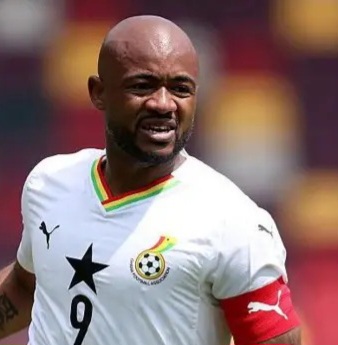
One of the most painful recent moments came in the 2022 FIFA World Cup playoffs. Nigeria faced arch-rivals Ghana in a two-leg decider. After a goalless draw in Kumasi, the return match in Abuja ended 1–1, allowing Ghana to progress on the away-goals rule.
The loss was particularly shocking because Nigeria were widely considered favourites:
They had a stronger squad.
They had dominated their qualifying group.
They played the decisive match in front of a home crowd.
Ghana had changed coaches late, struggled for form, and underwent stadium compliance challenges.
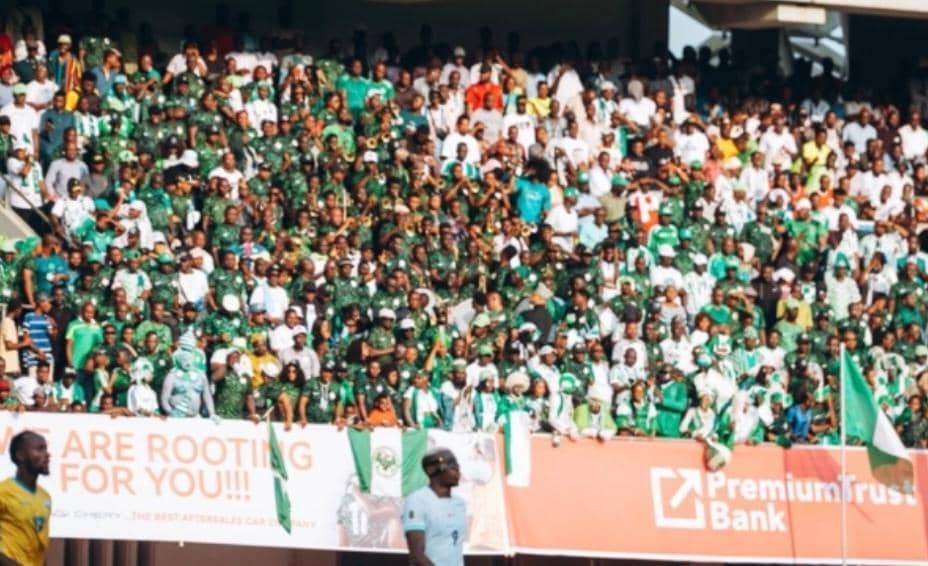
The defeat triggered chaos at the Abuja stadium, where angry fans invaded the pitch and vandalised property, highlighting the depth of national disappointment.
4. 2023 AFCON Final Defeat to Ivory Coast
Despite a strong run to the 2023 AFCON final, Nigeria suffered a 2–1 defeat to tournament hosts Ivory Coast. Many fans believed the Super Eagles were destined to lift their fourth continental title, especially after impressive defensive displays throughout the competition.
The loss compounded a growing pattern—near success overshadowed by decisive failures. For supporters, the defeat was less about poor performance and more about a recurring inability to finish the job when it mattered most.
5. 2026 World Cup Qualification Disaster — A Campaign in Disarray
Nigeria’s attempt to qualify for the 2026 FIFA World Cup was marred by instability and mismanagement.
The Super Eagles finished behind South Africa in their group, forcing them into a tense playoff against DR Congo. After a 1–1 draw following extra time, Nigeria were eliminated in a penalty shootout.
Several factors made the exit deeply shocking:
Nigeria used four different coaches throughout the qualifiers.
José Peseiro, Finidi George, and Augustine Eguavoen all held the reins before Eric Chelle was appointed late in the campaign.
The team picked up only two points in their first two matches, losing crucial early ground.
South Africa were even docked three points for fielding an ineligible player, giving Nigeria an opportunity that they still failed to capitalize on.
Ending with just 18 points, the Super Eagles entered the playoffs with slim momentum—and ultimately paid the price.
Missed Opportunities
Taken together, these moments illustrate a turbulent era for Nigerian football. Once celebrated for dominance and consistency, the Super Eagles have in recent years become associated with instability, stalled progress, and avoidable setbacks.
Each failure was amplified by the context surrounding it—whether it was being reigning champions, overwhelming favourites, or possessing superior talent.
The decade-long struggle has sparked national debate on the direction of the team, the quality of coaching, and the structures supporting player development.