BY Issah Olegor
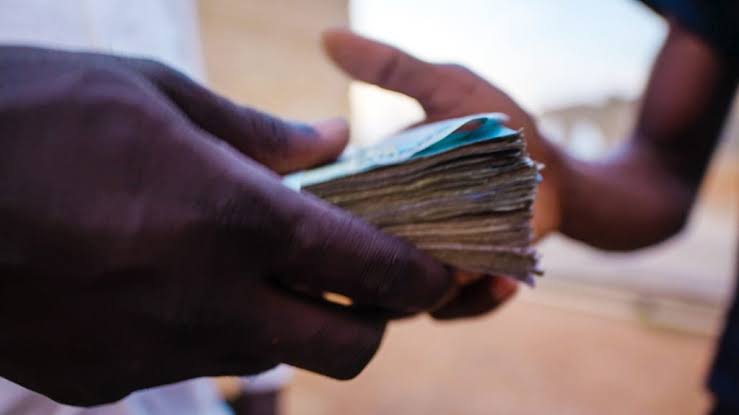
Fresh governance data released by the Ghana Statistical Service (GSS) has revealed a worrying rise in demands for unofficial payments by public officials during the second half of 2025, raising fresh concerns about corruption within the public service despite improvements in the country’s overall governance indicators.
The latest findings, presented by Government Statistician Dr. Alhassan Iddrisu at a Governance Series event organised by Three Reports and the Ghana Statistical Service on Tuesday, indicate that nearly seven out of every ten citizens who encountered bribery situations between July and December 2025 reported that public officials demanded extra payments before providing public services.
According to the report, the proportion of citizens who experienced requests for unofficial payments increased significantly from 51 percent during the first half of 2025 to 69 percent in the second half, suggesting that demands initiated by public officials have become a growing feature of interactions between citizens and state institutions under the present National Democratic Congress, NDC administration.
The survey further found that the percentage of Ghanaians who actually paid bribes also increased over the same period.
While 14.3 percent of respondents admitted paying a bribe during the first six months of 2025, that figure rose to 18 percent between July and December, meaning approximately one in every six citizens paid an unofficial payment to access a public service.
Presenting the findings, Dr. Alhassan Iddrisu said the data points to a shift in the nature of bribery in Ghana, where public officials are increasingly initiating demands rather than citizens voluntarily offering payments.
“The pressure sits at the counter. The problem now is less what citizens offer and more of what officials would ask,” the Government Statistician stated while explaining the findings.
The report covers citizens’ experiences during the last six months of 2025, a period that coincided with the early months of President John Dramani Mahama’s administration following the 2024 general elections.
Although the survey recorded a deterioration in bribery experiences during the latter half of the year, Dr. Iddrisu stressed that Ghana’s overall governance performance for the entire 2025 year showed improvement compared with 2024.
He explained that both findings are accurate because the Ghana Statistical Service now conducts governance surveys every six months, making it possible to compare short-term changes while also assessing broader annual trends.
“The full year, which is 2025, got better compared to 2024. Both of these stories are true, and that’s the beauty of the six-monthly survey that we do, to be able to look at trends within waves and even compare between years,” he said.
According to the Government Statistician, the governance survey follows the same nationally representative households across all 16 regions of Ghana, enabling the GSS to measure genuine changes in citizens’ experiences rather than differences arising from changes in survey samples.
The latest governance data was collected during the first quarter of 2026 through interviews with household heads, with respondents reporting on their experiences accessing public services between July and December 2025.
The findings are expected to reignite debate over corruption within the public institutions and increase pressure on government agencies to strengthen transparency, accountability and anti-corruption enforcement as the country pursues broader governance reforms.
While the report highlights an increase in demands for unofficial payments by public officials, it does not identify political parties or conclude that a specific percentage of government officials engaged in bribery.
Instead, it measures the experiences of citizens who interacted with public institutions during the survey period.