By Daniel Bampoe
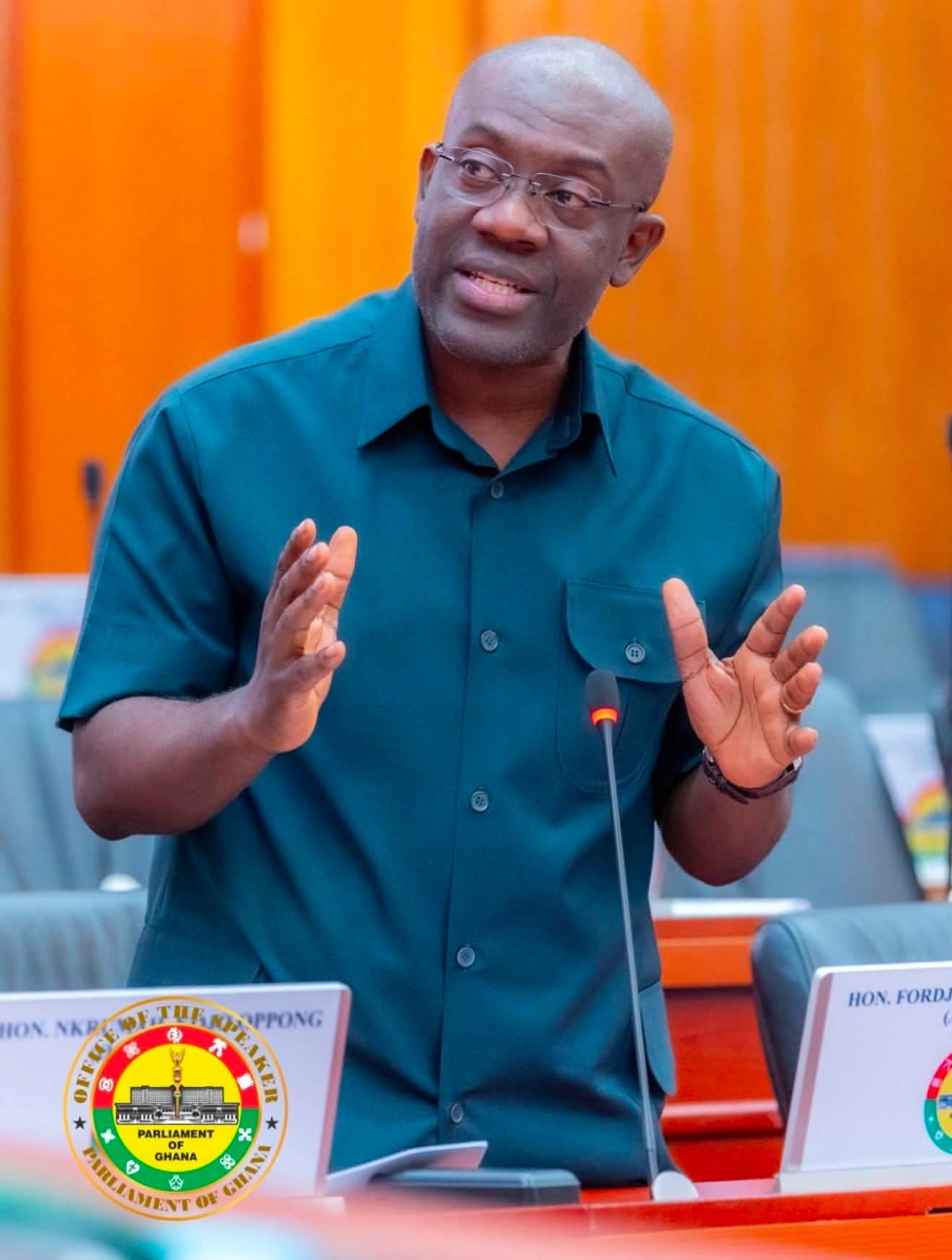
The Ranking Member on Parliament’s Economy and Development Committee and Member of Parliament for Ofoase-Ayirebi, Kojo Oppong Nkrumah, has called on the Mahama administration to subject the new International Monetary Fund (IMF) Policy Coordination Instrument (PCI) to full parliamentary scrutiny, insisting that although the programme may not require formal parliamentary approval because it carries no new financing, government has a constitutional and democratic obligation to fully disclose its contents to Parliament and the Ghanaian people.
In a statement posted on his official X (formerly Twitter) account, Oppong Nkrumah argued that transparency and accountability should not be limited to situations where the law expressly requires parliamentary approval.
According to him, the absence of fresh borrowing under the new IMF arrangement should not be used as a basis to deny Parliament the opportunity to examine the programme’s policy commitments, implementation framework and likely impact on the country’s economy.
His comments come against the backdrop of the transition from the IMF’s Extended Credit Facility (ECF) programme to a new Policy Coordination Instrument (PCI), following the successful completion of the previous IMF-supported programme.
The National Democratic Congress Government has maintained that the PCI differs significantly from the ECF because it does not provide direct financial assistance but rather serves as a framework for monitoring and coordinating macroeconomic reforms.
Since announcing the transition, government officials have argued that the PCI does not require parliamentary ratification because it does not involve a new loan agreement or additional financial resources from the IMF.
However, Oppong Nkrumah believes that such a legal interpretation should not prevent Parliament from exercising its oversight responsibilities over major national economic policy decisions.
According to the former Information Minister, Parliament must be fully briefed on the policy commitments government has made under the new IMF arrangement, the roadmap for implementing those reforms and the broader implications for Ghana’s economy.
He particularly stressed the need for government to explain how the programme is expected to affect economic growth and employment, arguing that these are the issues that matter most to ordinary Ghanaians.
“The IMF’s Policy Coordination Instrument (PCI) may not require parliamentary approval because it comes without new financing, but that is no excuse to sideline Parliament or the Ghanaian people,” Oppong Nkrumah stated.
He maintained that government owes Parliament and citizens a clear explanation of the commitments it has undertaken under the programme and how those commitments will influence economic policy over the coming years.
“In particular, we need to know its implications on growth and jobs as these are the key variables that matter to the Ghanaian people,” he wrote.
The Ofoase-Ayirebi legislator further argued that economic reforms negotiated with international financial institutions should not be treated as matters reserved solely for the Executive.
Instead, he said, citizens deserve to understand the reforms being implemented in their name and should be able to hold government accountable for the outcomes of those policies.
“Ghanaians deserve to know the reforms being undertaken in their name and to hold government accountable for the outcomes,” he added.
Oppong Nkrumah concluded by cautioning that democratic accountability extends beyond strict legal compliance.
According to him, transparency should remain a guiding principle of governance regardless of whether Parliament’s formal approval is legally required.
“Transparency and accountability must not end where legal requirements begin,” he stated.
The call adds to the growing political debate over the post-IMF economic direction, with the Minority increasingly demanding greater parliamentary oversight of government policies, particularly those negotiated with international financial institutions that could shape fiscal policy, public spending, economic growth and employment in the years ahead.