By Daniel Bampoe
Ghana has crossed a major milestone in its digital transformation journey, with electronic payments now accounting for more than half of all financial transactions, a development that positions the country among the world’s leading adopters of digital finance.
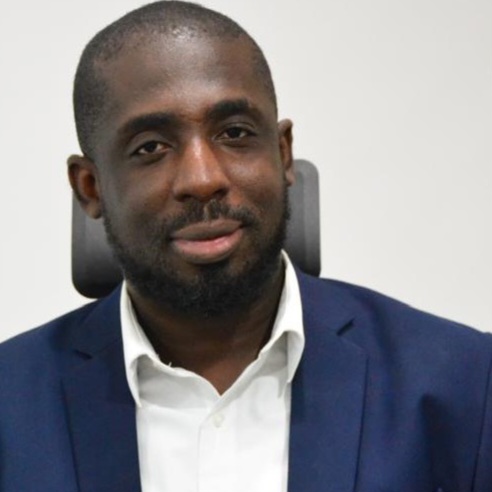
The Chief Commercial and Operations Officer of MobileMoney Fintech LTD (MMFL), Abdul Razak Issaka-Ali, says Ghana has evolved into a 50 to 60 per cent cash-light economy, reflecting the rapid shift by individuals, businesses and institutions from physical cash to digital payment platforms.
Speaking in a one-on-one interview with Benard Avle on Channel One TV, Issaka-Ali said the digital financial ecosystem has witnessed remarkable growth over the past decade, driven by innovation, regulatory reforms and strong collaboration among key players in the financial sector.
According to him, while cash remains an important means of payment, digital channels have increasingly become the preferred option for millions of Ghanaians because they offer greater convenience, speed and security.
“If you look at digital payments versus cash, we estimate that Ghana is now about a 50 to 60 per cent cash-light economy. We have made significant progress, but there is still room for growth,” he stated.
Issaka-Ali attributed the country’s progress to the close collaboration between MobileMoney Fintech LTD, commercial banks, fintech companies, the Ghana Interbank Payment and Settlement Systems (GhIPSS) and the Bank of Ghana, which together have built an integrated payment ecosystem that allows consumers and businesses to transact seamlessly across multiple digital platforms.
He explained that the transformation extends far beyond the rapid growth of mobile money, noting that improvements in interoperability, digital payment infrastructure and regulatory oversight have significantly expanded access to secure financial services nationwide.
The MMFL executive further disclosed that international assessments now rank Ghana among the top three countries globally in digital transactions as a proportion of Gross Domestic Product (GDP), underscoring the country’s remarkable progress in embracing electronic payments.
According to him, the achievement is the result of collective efforts by all stakeholders within Ghana’s financial services industry rather than the contribution of a single institution.
“The achievement is not the work of one institution. It is the result of an entire payments ecosystem working together to make digital financial services accessible to more Ghanaians,” he said.
Issaka-Ali noted that the rapid expansion of digital payments is also transforming the operations of thousands of small and medium-sized enterprises (SMEs) across the country.
He explained that many businesses previously faced challenges such as poor cash management, theft and revenue leakages because they relied heavily on physical cash.
However, merchant payment solutions now enable business owners to monitor transactions in real time, improve accountability and reduce the risks associated with handling large volumes of cash.
“We have developed solutions that allow business owners to have full visibility over payments while limiting direct access to business funds. This improves accountability and gives entrepreneurs greater confidence in managing their businesses,” he explained.
Beyond improving operational efficiency, Issaka-Ali said digital financial records are opening new opportunities for entrepreneurs to access credit from financial institutions.
He explained that instead of relying solely on traditional collateral requirements, lenders can now assess businesses using their digital transaction histories, allowing many SMEs to qualify for loans and working capital based on verified financial activity.
According to him, this innovation is helping to deepen financial inclusion while supporting business expansion and economic growth.
The digital payment revolution has accelerated significantly over the past decade following the introduction of mobile money services in 2009, regulatory reforms by the Bank of Ghana, the rollout of interoperability between mobile money networks and bank accounts, and increased investment in fintech innovation.
The country’s digital finance ecosystem has since expanded to include mobile money transfers, merchant payments, savings and loans, insurance products, remittances and other financial technology services that have brought millions of previously unbanked Ghanaians into the formal financial system.