BY Grace Zigah
In the music industry, reinvention has often gone beyond sound, style or image. For many of the country’s most celebrated artists, a change of name marked a turning point—sometimes subtle, sometimes dramatic—in their artistic journeys.
From the early days of hiplife to the current Afrobeats and dancehall era, stage-name changes have reflected personal growth, cultural sensitivity, market strategy and, in some cases, a complete career reset.
Over the years, the vibrant music scene has produced stars who deliberately shed their former identities to align with new artistic visions or broader audiences.
While some changes were driven by branding and professionalism, others were influenced by life events such as marriage, mentorship, or the desire to move away from controversial or limiting labels.
Together, these transformations tell a deeper story about how Ghanaian musicians have navigated fame, relevance and longevity.
One of the most prominent examples is Shatta Wale, formerly known as Bandana.
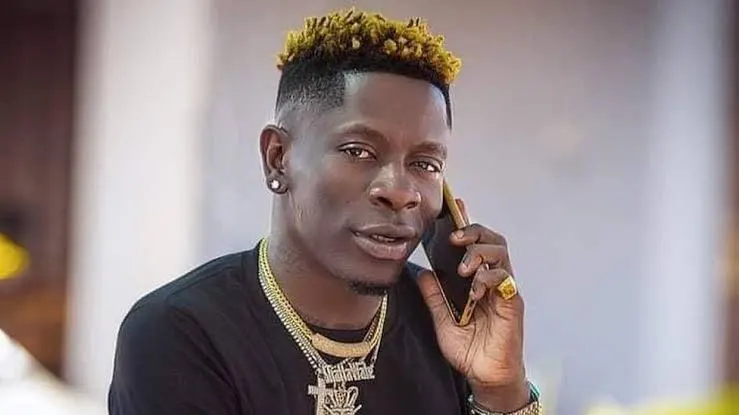
His early career under the Bandana name yielded modest success, but the rebranding to Shatta Wale signalled a more aggressive, confident dancehall persona.
That change coincided with his rise to the very top of then music hierarchy, earning him national recognition, international collaborations, and even symbolic acknowledgment from the state, including a presidential birthday invitation.
His journey illustrates how a name change can redefine public perception and commercial appeal.
A similar reinvention occurred when Batman became Samini.

Already talented, Samini’s rebranding helped solidify his identity as a serious dancehall force.
Over time, he evolved into one of Ghana’s most respected musicians, not only for his own music but also for his role in mentoring younger artistes such as Stonebwoy and Kofi Kinaata.
His transition marked the beginning of a legacy rather than just a new chapter.
For rapper Edem, the decision to drop “Ayigbe” from his stage name was rooted in cultural awareness.

While the name initially reflected ethnic pride, Edem later acknowledged that the term could be interpreted negatively. By simplifying his name, he retained his identity while broadening his appeal, proving that rebranding can also be an act of social sensitivity.
In group dynamics, name changes have also played a key role. Coded, once known as Abortion, adopted a less controversial identity as part of the celebrated hiplife group 4X4.
Alongside his groupmates, the new name aligned better with mainstream success and longevity, helping the group produce some of the most recognisable party anthems.

Veteran highlife icon Daddy Lumba, born Charles Kwadwo Fosu, also experimented with shortening his brand to DL at a point in his career.
Long before that, his partnership with Nana Acheampong as the Lumba Brothers laid the foundation for a career that would span decades and yield over 27 albums, making him one of the most prolific musicians.

For female artistes, name changes have often reflected personal evolution. Efya, born Jane Awindor, adopted her stage name after emerging from the Stars of the Future talent show.
Her rebranding, combined with her powerful vocals and lineage as the daughter of media personality Nana Adwoa Awindor, helped her transition into a soul and Afro-fusion powerhouse, later earning her a deal with Wizkid’s Starboy Entertainment.

In the case of Mugeez, formerly Gogomi, the shift to his real name coincided with the formation of R2Bees alongside his cousin Paedae.
The change helped position him as a mature, versatile musician within one of Ghana’s most successful music duos.
Several artistes simplified their names to maintain relevance.

Afriyie of Wutah fame dropped earlier aliases such as Papa Virus and Wutah Afriyie, while Zeal, once known as Lazzy, evolved alongside VIP into VVIP, reflecting the group’s growth and reinvention in a changing industry.

Personal life has also influenced branding decisions. In 2024, gospel and inspirational singer Irene Logan announced her new name, Grace Osei, following her marriage, describing it as the beginning of a new personal and professional chapter.

Similarly, Yaa Yaa, born Bertha Bridget Kankam, adopted a culturally resonant name that has since become synonymous with soulful, alternative Ghanaian music.

For Kumi Guitar, formerly the rapper Nightmare, a name change accompanied a genre switch. After transitioning from rap to highlife under the guidance of industry mentors, the new identity helped him find mainstream success.

Likewise, Asa Khalifa, once known as Old Solja, rebranded to reflect his real name and faith, signalling maturity and self-definition.

Among duo Ruff n Smooth, both members underwent transformations. Bullet, previously Etuo Aboba, and Ahkan, who later rebranded again as Kwaysi, illustrate how even established acts continue to redefine themselves beyond group fame.

Bullet’s evolution eventually extended beyond music into record label ownership.
Digital-era challenges have also influenced name changes. Ayisi, formerly known as A.I., altered his stage name after discovering that search engines and fans often confused him with “Artificial Intelligence,” affecting his online visibility.

The change was a strategic response to modern branding realities.
Younger and contemporary stars have followed similar paths. King Promise, once Boy P, adopted a more distinctive and aspirational name after signing with Killbeatz’s label, a move that preceded his rise as one of the leading Afrobeats exports.

Berose 3Sixty, formerly Nana Boroo, rebranded entirely in a bid to stage a comeback, updating both sound and image.

Meanwhile, singer Elia-Naa, previously Raquel, described her new name as a “clean slate” and a fresh start in her musical journey.

Collectively, these stories underscore a central truth about the music industry: identity is fluid, and reinvention is often necessary for survival and success. Beyond aesthetics, a name change can represent artistic freedom, cultural awareness, personal growth or strategic repositioning in an increasingly competitive space.
For these 20 artistes, rebranding was not merely cosmetic—it became a defining moment in shaping careers that continue to influence the musical landscape.