BY Grace Zigah
The much-anticipated 24-hour economy policy, a central campaign promise of the National Democratic Congress (NDC), is facing growing uncertainty as implementation delays, funding gaps, and structural constraints continue to raise questions about its viability. The creation of three shifts for one job appears to have been disappeared from the menu as the Finance Minister, Cassiel Ato Forson laments over lack of funds to pay existing government payroll not to talk of engaging more workforce or tripling it.
Launched on July 2, 2025, the policy was positioned as a transformative economic strategy aimed at boosting productivity, expanding industrial activity, and creating jobs through a shift-based system widely promoted during the 2024 elections as the “1-3-3 model”—one job, three shifts, three workers.
However, nearly a year on, its full rollout remains elusive, with critics arguing that the initiative has yet to move beyond its conceptual and legislative stages.
The government has maintained that the 24-hour economy is a long-term structural reform that cannot be implemented within a single year. Officials have designated 2026 as the “implementation year,” insisting that the policy requires careful planning, stakeholder engagement, and the establishment of a legal framework to guide its execution.
Central to this process is the 24-Hour Economy Authority Bill, which seeks to create an institutional body to coordinate and oversee the programme.
Despite these assurances, critics say the policy is struggling to take off due to serious financial constraints. Estimates suggest that a full nationwide rollout could cost as much as $4 billion, yet available budgetary allocations remain minimal.
Reports indicate that only about $10 million has been set aside in recent budget cycles, a figure widely seen as insufficient to support a policy of such scale.
This funding gap comes against the backdrop of a strained national economy, where government spending is already under pressure from debt servicing obligations, limited revenue mobilisation, and ongoing economic stabilisation efforts
Analysts argue that the state simply lacks the fiscal space to finance large-scale interventions, forcing the government to prioritise macroeconomic stability over expansive policy rollouts.
The consequences of these constraints are already evident. While the policy promises widespread job creation, there is currently no verifiable data showing significant employment gains directly linked to the initiative.
At the same time, concerns persist about rising unemployment, particularly among trained professionals such as nurses and teachers who are yet to receive financial clearance for employment.
Criticism has also focused on what some describe as a shift from economic transformation to administrative expansion. Opponents argue that the current approach prioritises the creation of a new authority—with its own leadership and staffing structure—rather than directly driving production or incentivising businesses to operate around the clock. This has fueled claims that the original vision of a shift-based economy is being replaced by bureaucratic structures.
Another major concern is the absence of the “1-3-3” model in the current legislative framework. Critics contend that the core campaign promise has not been translated into actionable policy, raising questions about whether the government is retreating from its original commitments.
Beyond funding and policy design, economic fundamentals continue to pose significant challenges. Experts caution that a 24-hour economy cannot be sustained without reliable infrastructure, particularly stable electricity, efficient transport systems, and access to affordable credit.
Yet businesses across Ghana continue to face rising production costs, especially in utilities and inputs, making extended operations financially risky.
The issue of market demand has also emerged as a critical factor. Economists argue that economic activity is demand-driven, not policy-driven, and that businesses will only operate 24 hours if there is sufficient consumer demand to justify the additional costs. In an environment where purchasing power remains weak, many firms are reluctant to expand operations.
Some sectors have seen limited progress. For example, parts of the healthcare system, including the Korle Bu Teaching Hospital, have introduced 24-hour outpatient services. However, critics dismiss such developments as isolated interventions rather than evidence of a nationwide economic shift.
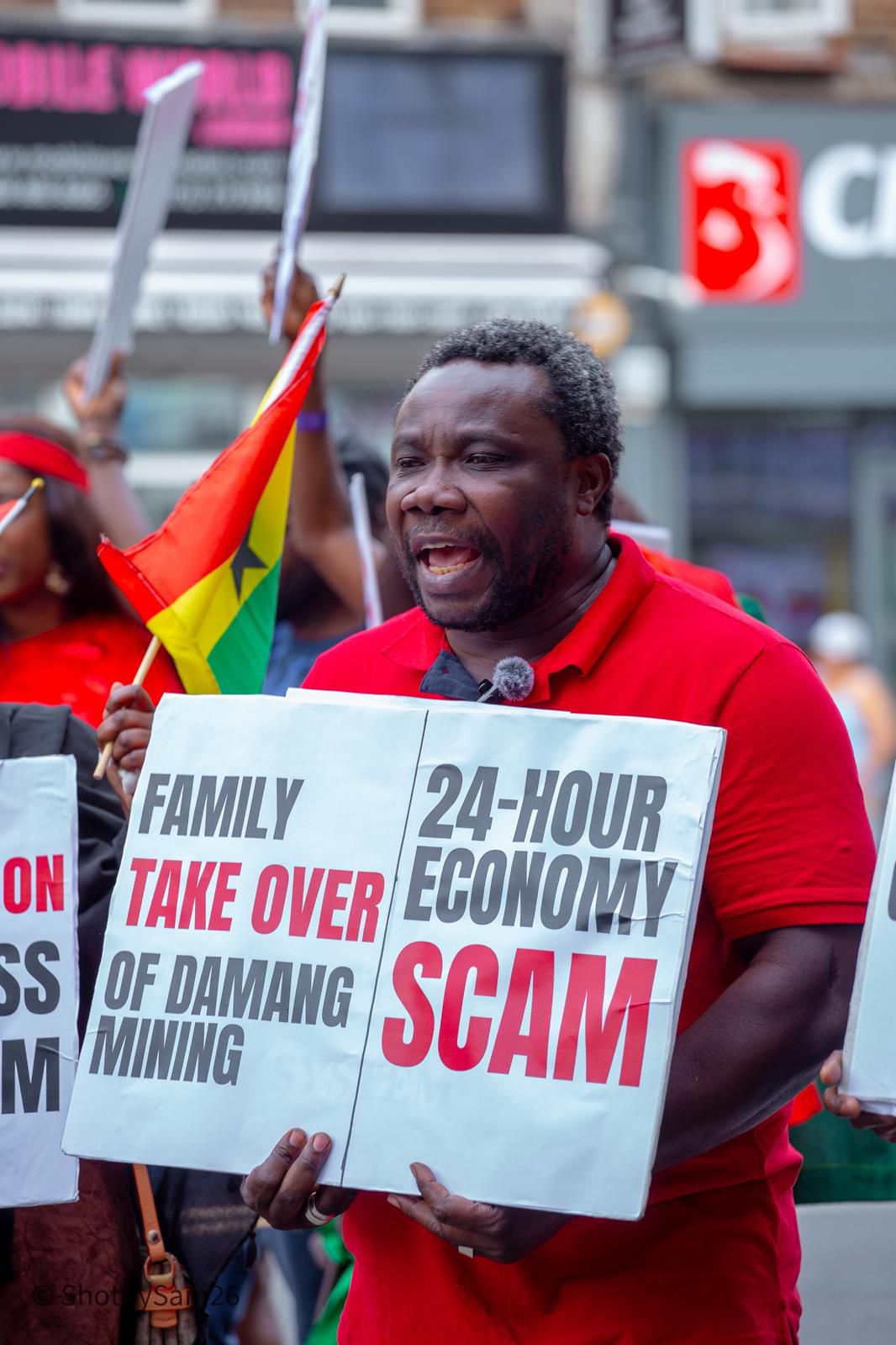
Opposition groups and youth organisations have gone further, describing the policy as a “deception” or “political slogan”, arguing that it was used to secure electoral support without a clear and fully funded implementation plan.
They point to the absence of detailed execution strategies in budget statements as evidence that the government is not yet ready to deliver on its promises.
In response, government officials have defended the policy, insisting that it is a gradual, long-term initiative designed to unlock productivity and industrial growth.
They argue that the establishment of the 24-Hour Economy Authority is necessary to provide coordination, incentives, and a sustainable framework for private sector participation. The administration also maintains its long-term target of creating 1.7 million jobs over four years, with 2026 marking the beginning of full implementation.