
By Daniel Bampoe
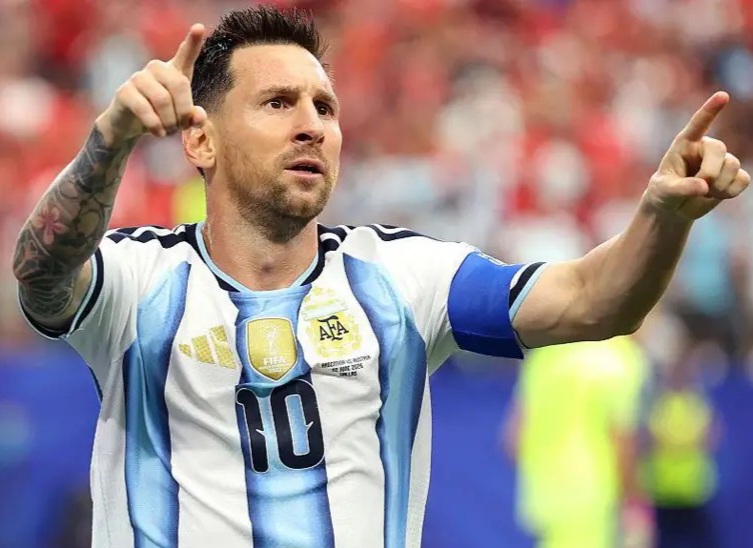
The FIFA World Cup has long served as the ultimate stage where football’s greatest players cement their legacies, and the 2026 tournament is proving no different. As the competition unfolds across North America, two of the modern game’s biggest stars, Lionel Messi and Kylian Mbappé, are reshaping the record books and redefining what is possible on football’s grandest stage.
For more than a decade, German legend Miroslav Klose stood alone as the FIFA World Cup’s all-time leading goalscorer with 16 goals scored across four tournaments between 2002 and 2014. His remarkable consistency helped Germany reach multiple World Cup semi-finals and ultimately lift the trophy in Brazil in 2014.
The record appeared destined to stand for years, particularly given the difficulty of maintaining elite performance levels across multiple World Cups.However, Argentina captain Lionel Messi has now climbed to the summit of football history. The eight-time Ballon d’Or winner overtook Klose during the ongoing FIFA World Cup 2026 after scoring a hat-trick against Algeria and adding two more goals against Austria.
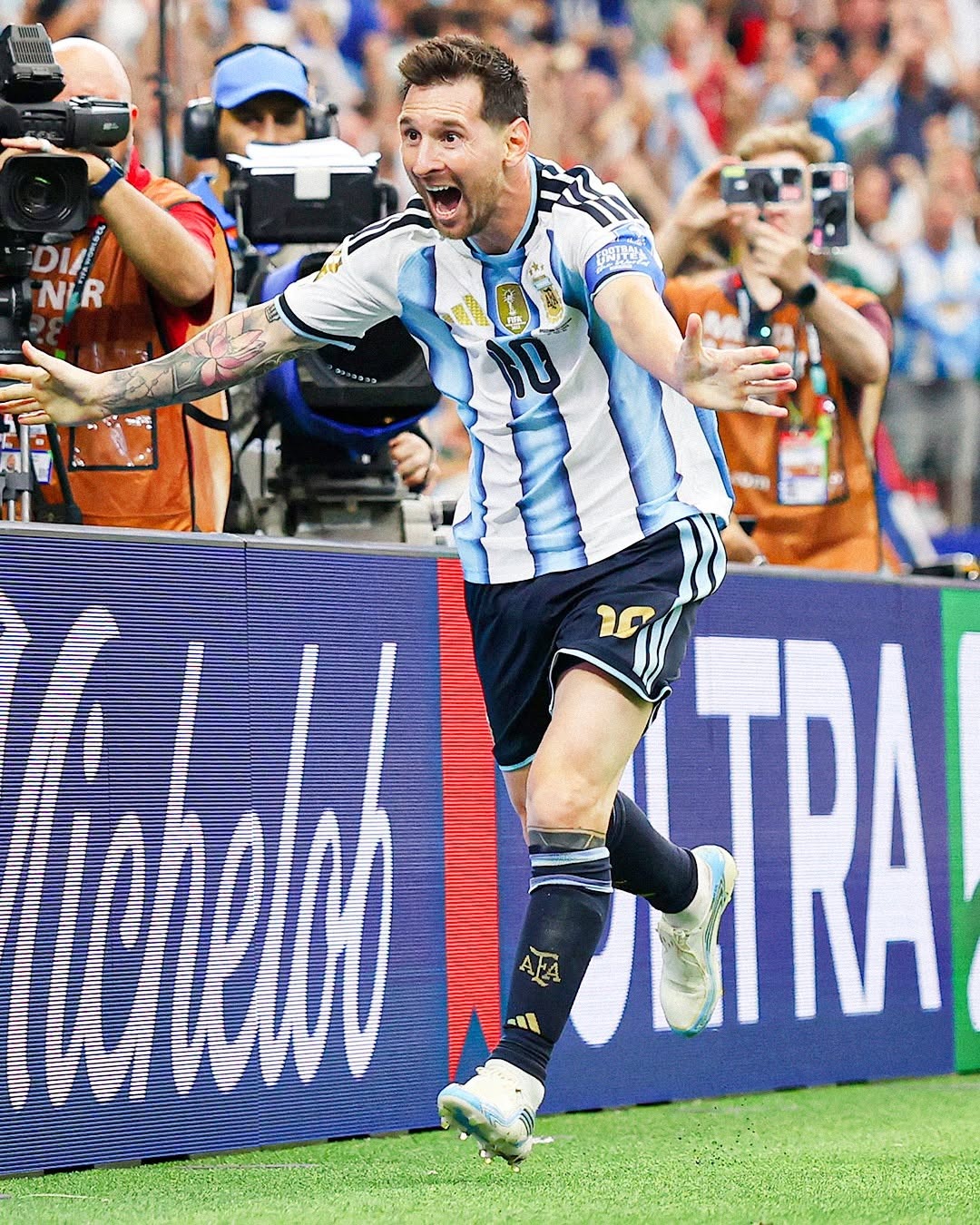
Those performances elevated his World Cup tally to 18 goals, making him the highest goalscorer in the history of the tournament.
Messi’s achievement is the culmination of a remarkable World Cup journey spanning two decades. Since making his tournament debut as a teenager in Germany in 2006, the Argentine maestro has featured in six World Cups, scoring one goal in 2006, four in 2014, one in 2018, seven during Argentina’s triumphant 2022 campaign, and five goals so far in 2026.
Across 28 World Cup appearances, he has transformed from a promising youngster into the competition’s most prolific scorer
Yet even as Messi celebrates his latest milestone, another player is rapidly closing the gap.
France captain Kylian Mbappé continues to establish himself as perhaps the greatest World Cup performer of his generation.
The French superstar has already amassed 16 World Cup goals in only 16 matches, moving level with Klose after scoring consecutive braces against Senegal and Iraq at the 2026 tournament. His extraordinary scoring rate means he averages one goal per World Cup match, a statistic unmatched by most of football’s legendary forwards.
Mbappé’s rise has been nothing short of phenomenal. Since bursting onto the global stage during France’s successful 2018 World Cup campaign, where he scored four goals, he has continued his remarkable progression.
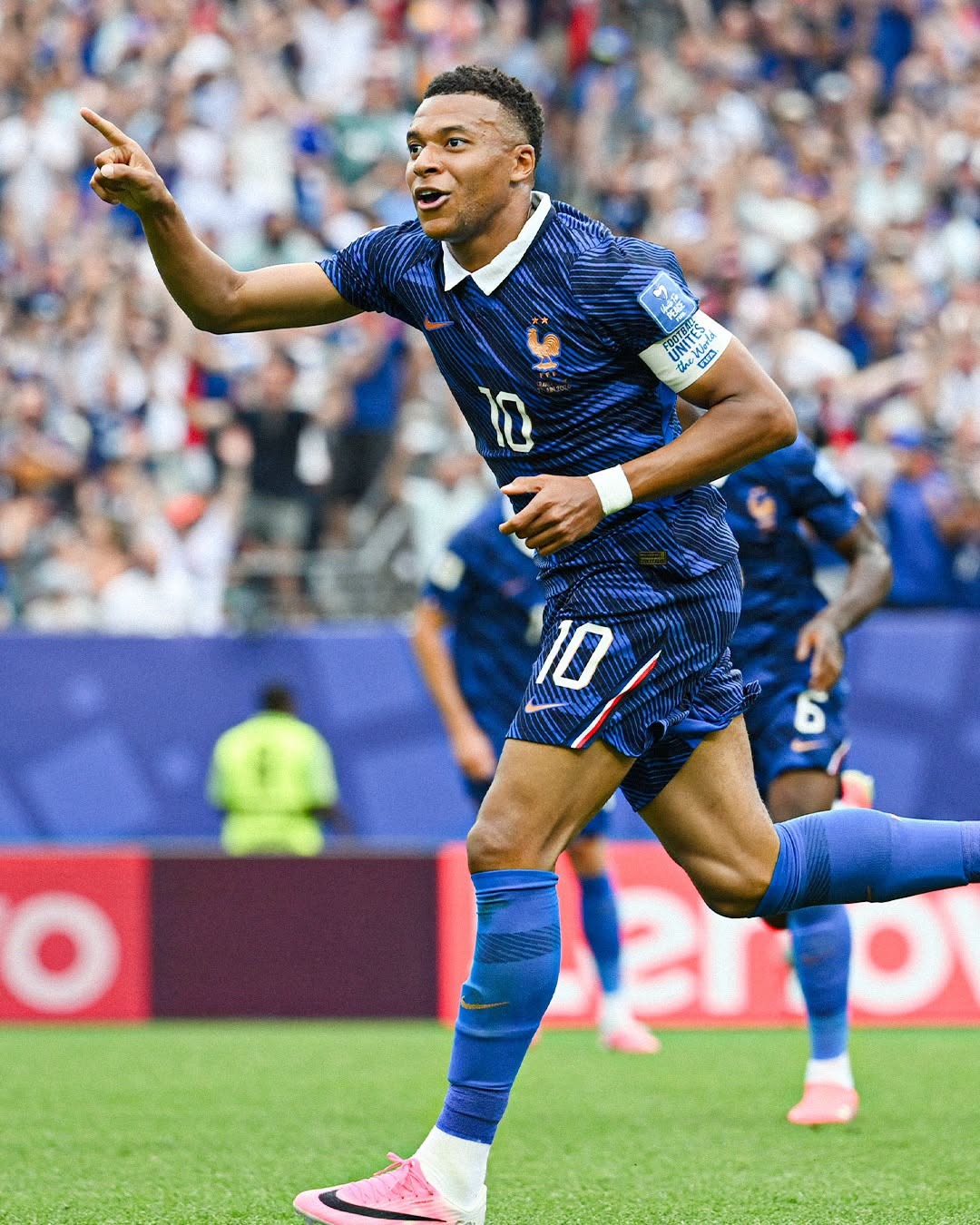
He followed that with eight goals at the 2022 World Cup and has already added four more in 2026. At just 27 years old, he remains well positioned to eventually surpass Messi’s record in future tournaments.While Messi and Mbappé dominate current headlines, the World Cup’s goalscoring history is filled with legendary names whose achievements helped define different eras of football.
Brazilian icon Ronaldo Nazário remains fourth on the all-time list with 15 goals. Widely regarded as one of the greatest strikers in football history, Ronaldo scored across four World Cups and played a pivotal role in Brazil’s triumph at the 2002 tournament, where he finished as the competition’s leading scorer with eight goals.
Just behind him sits German great Gerd Müller, whose 14 goals in only 13 World Cup matches remain among the most impressive records in tournament history.
Müller was instrumental in West Germany’s success during the 1970s and remains one of football’s most efficient goalscorers.
French legend Just Fontaine occupies another special place in football folklore. Despite appearing in only one World Cup, the 1958 tournament in Sweden, Fontaine scored an astonishing 13 goals in six matches—a record for goals scored in a single World Cup that remains untouched nearly seven decades later.
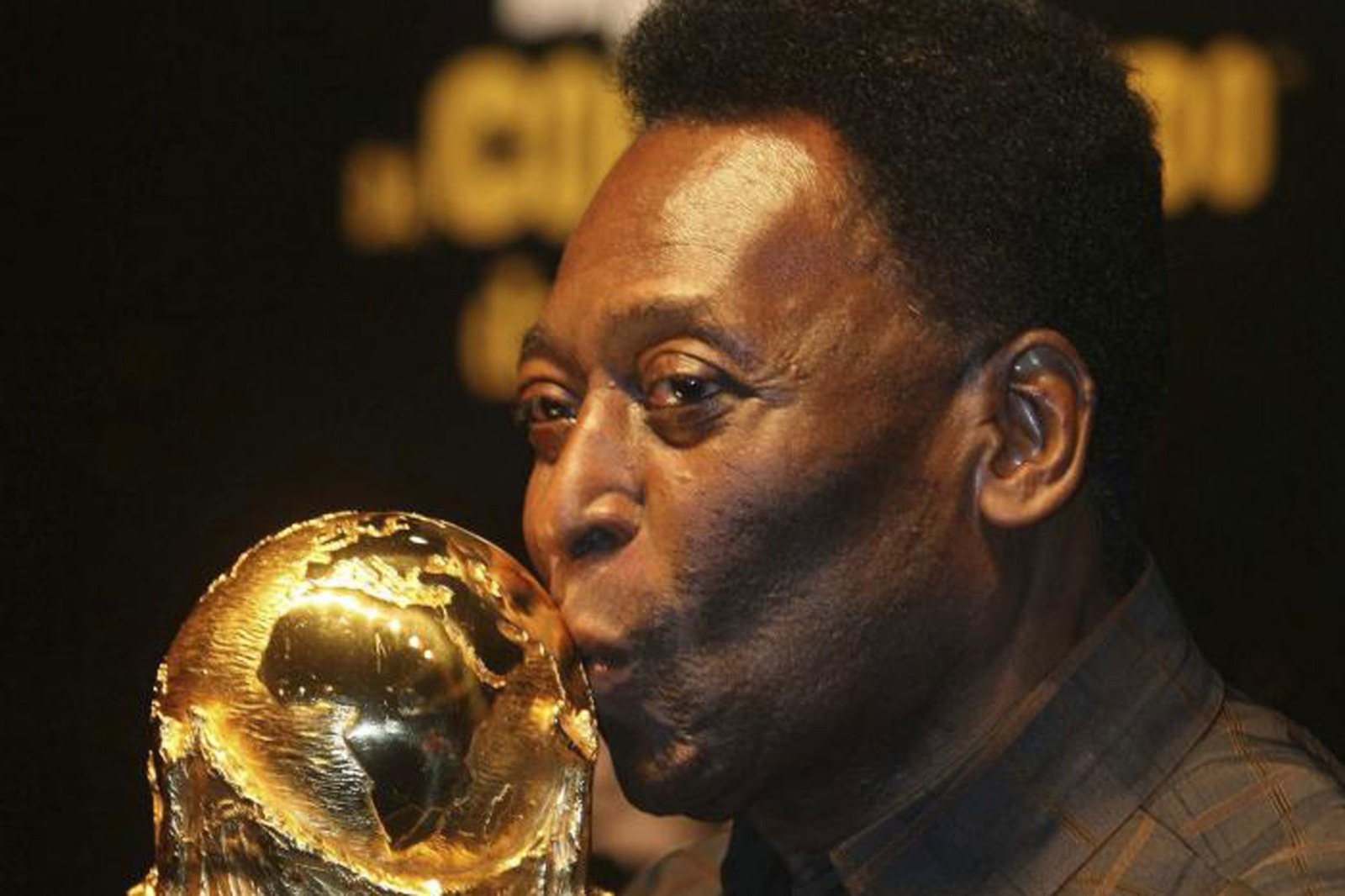
Brazilian football king Pelé follows with 12 World Cup goals spread across four tournaments. More importantly, Pelé remains the only player to have won three FIFA World Cup titles, helping Brazil dominate the global game during the 1950s and 1970s.
The list also includes football icons such as Jürgen Klinsmann, Sándor Kocsis, Gabriel Batistuta, Teófilo Cubillas, Harry Kane, Gary Lineker, Thomas Müller and Eusébio, all of whom left lasting marks on World Cup history through their goals and memorable performances.
What makes the current era particularly fascinating is the possibility that football fans are witnessing a historic passing of the torch. Messi, now nearing the twilight of his legendary career, has finally claimed the goalscoring crown after years of excellence. At the same time, Mbappé appears poised to challenge every major World Cup scoring record over the next decade.
The 2026 tournament has therefore become more than a battle for the World Cup trophy. It has evolved into a race between generations, with Messi extending his legacy while Mbappé steadily closes the gap.


