By Issah Olegor
The New Patriotic Party (NPP), together with a coalition of political parties, civil society organisations and democratic advocacy groups, has formally petitioned President John Dramani Mahama, accusing his administration of undermining the constitutional democracy through what it describes as political persecution, executive interference in state institutions and the erosion of the rule of law.
The NPP claims that the move is aimed at executing the President’s hidden third term agenda.
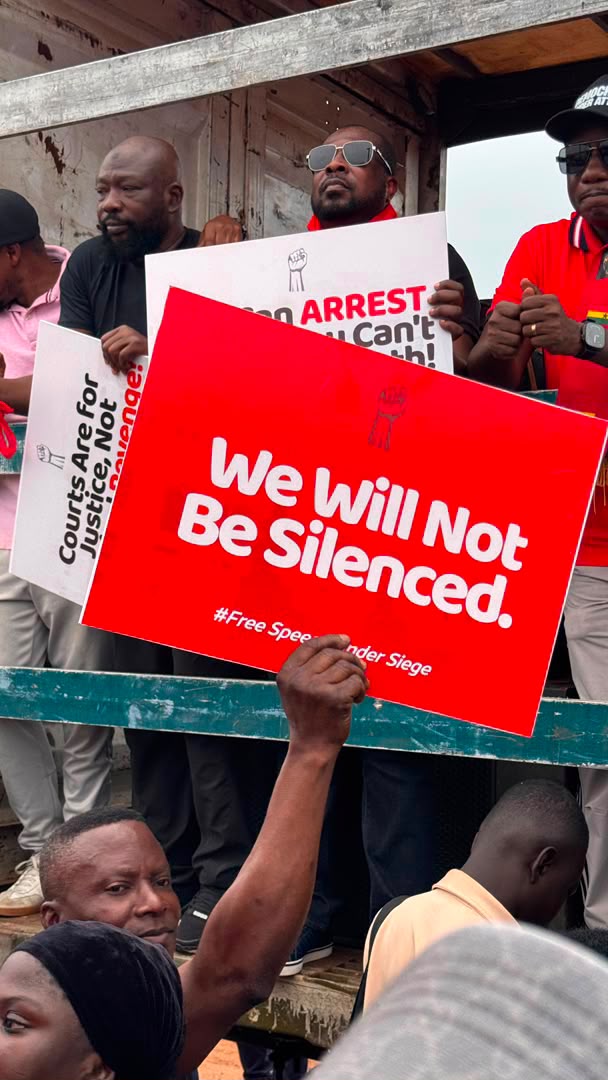
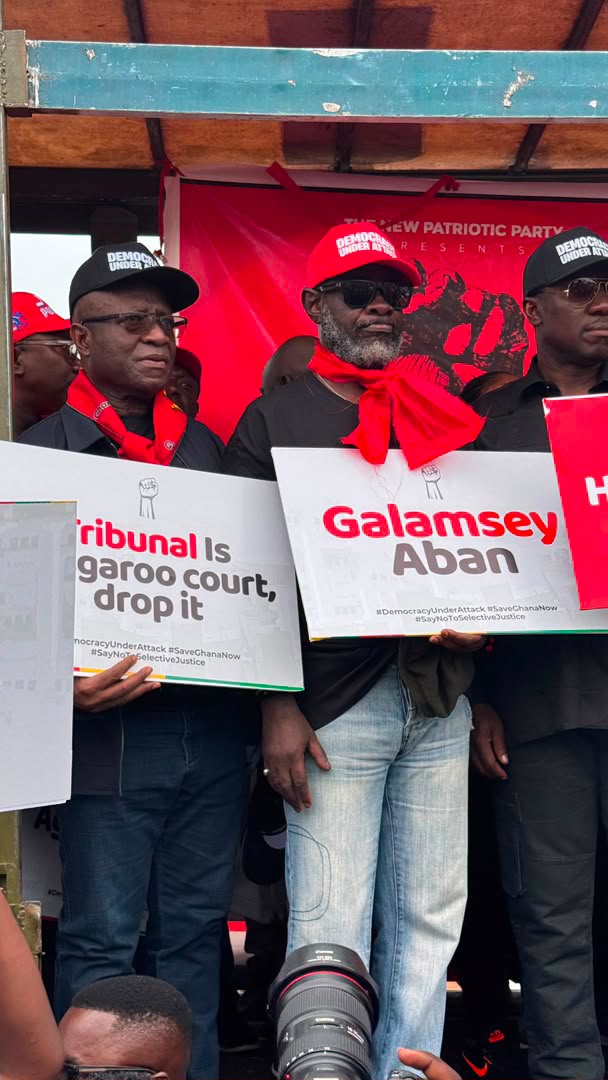
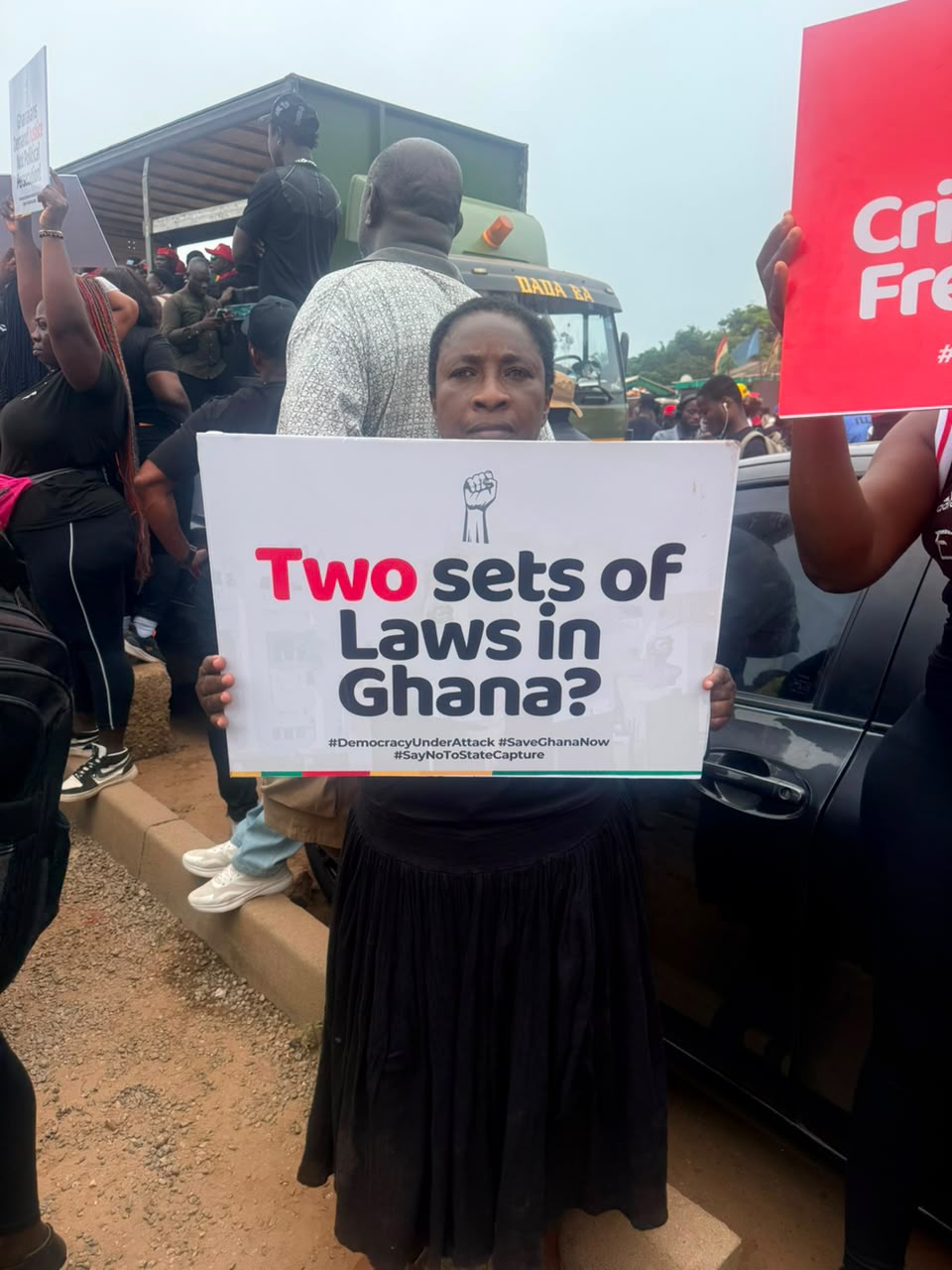
The petition was presented on Thursday, August 6, 2026, following the opposition’s nationwide “Democracy Under Attack” demonstration in Accra, which attracted thousands of supporters, Members of Parliament and senior party officials. Copies of the petition were also addressed to the Chief Justice, the Speaker of Parliament, the Commission on Human Rights and Administrative Justice (CHRAJ), the Ghana Bar Association, the National Peace Council and the media.
According to the petitioners, the long-standing reputation as one of Africa’s leading constitutional democracies is under serious threat, alleging that the Mahama administration is systematically weakening democratic institutions, intimidating political opponents and using state agencies to suppress dissent.
One of the central allegations contained in the petition concerns what the NPP describes as interference with judicial independence.
The party claims that following the removal of former Chief Justice Gertrude Araba Esaaba Sackey Torkornoo, judges have come under increasing pressure and fear political victimisation in the discharge of their duties.
The petition also criticises arrangements for court sittings during the legal vacation, arguing that such decisions could affect the constitutional right of accused persons to legal representation by counsel of their choice.
The opposition further alleged that the justice system is increasingly being used to target political opponents. As an example, the petition cites the conviction of the NPP’s Ashanti Regional Chairman, Bernard Antwi Boasiako, popularly known as Chairman Wontumi, insisting that despite evidence presented before the court, he was convicted on what it described as assumptions rather than proven facts.
The party maintains that Chairman Wontumi has become a political prisoner and argues that his prosecution contrasts with what it says is the government’s failure to pursue allegations involving individuals associated with the governing National Democratic Congress (NDC).
The petition also accuses the government of fostering selective justice by failing to investigate allegations made against some NDC officials in relation to illegal mining activities, despite previous public statements acknowledging concerns about galamsey within the governing party.
Another major concern raised by the petition relates to freedom of expression. The NPP argues that although Ghana repealed the Criminal Libel Law in 2001, the current administration has effectively reintroduced criminal sanctions against critics by relying on provisions of the Criminal Offences Act to investigate and prosecute journalists, social media commentators and opposition activists over political speech.
According to the petition, more than 45 politicians, journalists, commentators and online activists have allegedly faced arrests, investigations or prosecutions connected to the expression of political opinions.
The party further accused state security agencies, including the National Intelligence Bureau (NIB), the Economic and Organised Crime Office (EOCO), National Security and the Ghana Police Service, of conducting politically motivated dawn raids and arrests against former government officials and opposition members.
It also criticised what it described as excessive bail conditions imposed on some opposition figures, arguing that such conditions amount to constructive denial of bail contrary to constitutional guarantees.
The petition also expresses concern over government’s decision to reintroduce tribunal structures, arguing that such institutions should not become instruments for targeting political opponents but must instead uphold constitutional safeguards, judicial independence and due process.
Perhaps the most far-reaching allegation contained in the document is the claim that recent actions by the administration form part of a broader political strategy aimed at paving the way for President Mahama to pursue what the NPP describes as a “veiled third-term agenda.”
The petition argues that weakening the judiciary, intimidating political opponents and suppressing dissent could undermine constitutional safeguards designed to prevent the concentration of executive power.
The document, however, provides no direct evidence that the government has initiated a constitutional amendment process to extend presidential term limits.
To address its concerns, the NPP outlined several demands, including an immediate end to what it describes as politically motivated arrests, surveillance and intimidation of opposition figures, journalists and activists; the cessation of criminal prosecutions relating to political speech; equal enforcement of the law regardless of political affiliation; investigations into allegations involving both ruling party and opposition figures; strict compliance with constitutional provisions governing arrests and bail; and renewed guarantees of judicial independence free from executive interference.
The petition concludes by warning that if the concerns raised are not addressed, the NPP, together with its political allies, civil society organisations and supporters, will continue to exercise their constitutional right to engage in lawful demonstrations and other democratic forms of civic action.
The Mahama administration has not yet publicly responded to the specific allegations contained in the petition.