BY DANIEL BAMPOE
The opposition New Patriotic Party (NPP) has launched a scathing attack on the Mahama administration’s recent GH¢2.00 per litre reduction in diesel prices, describing the intervention as a temporary political measure that fails to address the real burden facing Ghanaians while introducing new energy levies that could worsen the country’s fiscal challenges.
Addressing a press conference in Accra on Wednesday, August 5, 2026, the NPP Policy Secretariat argued that the government’s announcement cannot be viewed in isolation from Parliament’s recent passage of the Energy Sector Levies (Amendment) Bill, 2026, and the World Bank’s recent downgrade of the Energy Sector Recovery Programme.
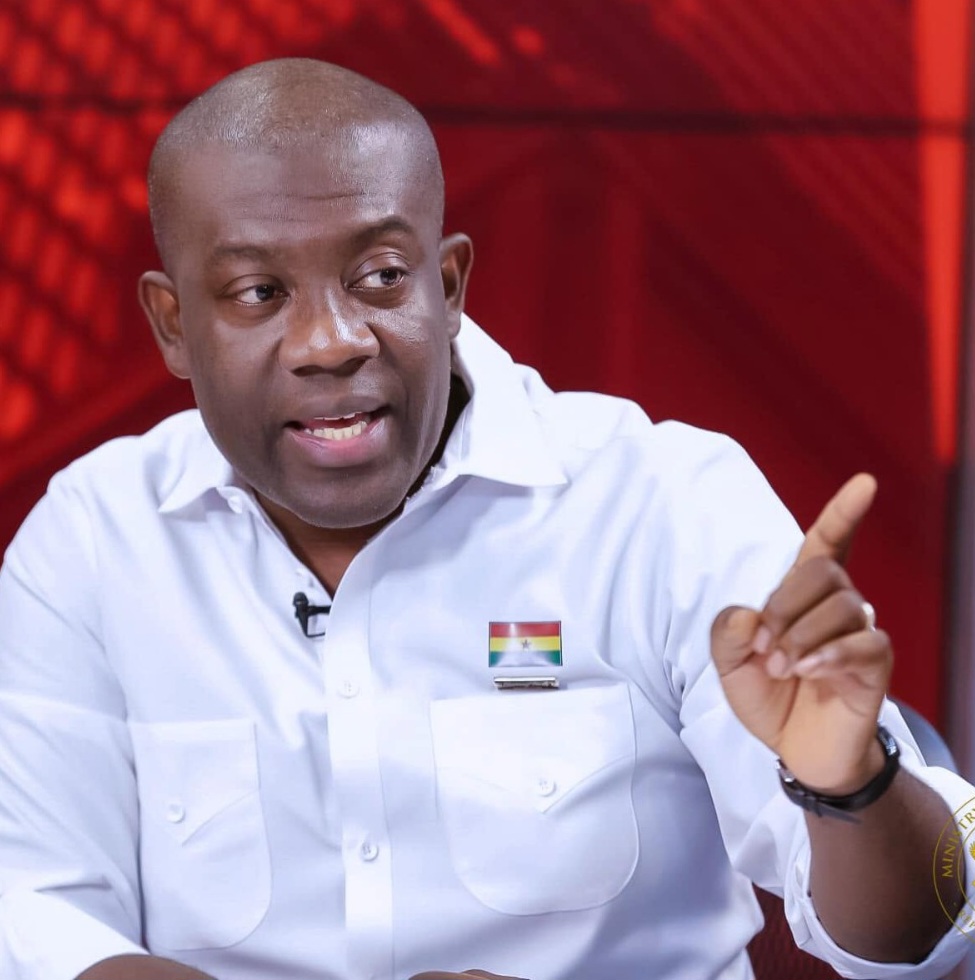
The press conference was addressed by Chairman of the NPP Policy Coordination Committee, Kojo Oppong Nkrumah.
The party insisted that while it sympathizes with the economic hardship confronting commercial drivers, traders, farmers, fishermen and ordinary commuters, the government must be transparent about how the intervention will be financed.
The NPP maintained that although government announced a GH¢2.00 reduction in diesel prices, consumers continue to pay significantly more for fuel than they did at the beginning of 2025 despite the appreciation of the Ghana cedi.
According to the party, GOIL’s pump prices as of August 3, 2026 stood at GH¢15.99 per litre for petrol and GH¢19.26 per litre for diesel, compared to approximately GH¢15.13 and GH¢15.49 respectively in January 2025.
The party argued that even if the entire GH¢2.00 reduction is passed on to consumers, diesel prices would still remain above January 2025 levels, making the intervention merely a cushion rather than a reversal of previous increases.
Drawing attention to the history of recent fuel taxation, the NPP recalled that on June 3, 2025, Parliament approved the Energy Sector Levies (Amendment) Bill through a certificate of urgency, introducing an additional GH¢1.00 levy on every litre of petroleum products.
The party said its Members of Parliament opposed the measure and staged a walkout during its passage.
According to the NPP, although government had assured Ghanaians that the strengthening cedi would offset the levy and prevent increases at the pumps, consumers have continued paying the additional charge since it took effect on July 16, 2025.
The opposition argued that the latest GH¢2.00 reduction should not be portrayed as an act of generosity because motorists have already paid the GH¢1.00 levy for over a year. In the party’s assessment, the current intervention merely returns a portion of what consumers have already contributed through the levy while the tax itself remains in force.
The NPP further questioned the financial implications of the intervention, arguing that government describes the measure as a reduction in regulatory margins rather than a subsidy, yet the economic cost remains substantial.
Based on previous diesel consumption figures, the party estimated that the one-month intervention alone could result in approximately GH¢400 million in foregone revenue.
When combined with earlier relief measures on petrol, it estimated the cumulative cost of the 2026 interventions at around GH¢1.3 billion, warning that such revenue losses could affect government’s ability to service energy sector debt, maintain roads or reduce the budget deficit.
The press conference also focused on Parliament’s recent amendments to the Energy Sector Levies Act.
The NPP noted that Parliament increased the Energy Sector Shortfall and Debt Repayment Levy on fuel oil from GH¢0.24 to GH¢1.93 per litre and extended the Road Fund Levy to fuel oil.
While government says the changes are intended to close tax loopholes and provide refunds to eligible industrial users, the opposition argued that the implementation framework remains unclear because authorities have yet to explain who qualifies for refunds, how claims will be processed and how companies will recover the upfront costs they are expected to bear.
According to the NPP, industries are likely to pass these upfront costs onto consumers before any refund mechanism takes effect, raising concerns that ordinary Ghanaians may ultimately shoulder the financial burden even if companies are reimbursed later.
The party questioned whether consumers who absorb those additional costs would also receive refunds.
The opposition also referenced the World Bank’s latest assessment of the energy sector, noting that the international financial institution downgraded the Energy Sector Recovery Programme from “Moderately Satisfactory” to “Unsatisfactory” in June 2026.
The NPP cited the World Bank’s concerns over growing financial losses at ECG and NEDCo, stalled reforms, procurement delays and governance challenges, arguing that government cannot solve existing debt problems by creating additional hidden revenue losses.
Against this backdrop, the NPP posed several questions to government, demanding disclosure of the specific taxes or regulatory margins being reduced to finance the diesel relief, confirmation of whether adequate budgetary provision exists for the intervention, clarification on whether transport fares and prices of essential goods will reflect the reduction, and assurances on whether the GH¢1.00 fuel levy will continue throughout the relief period.
The party also demanded greater transparency regarding the conditions under which the intervention would be extended, modified or terminated.
As an alternative, the NPP called for government to publish the full petroleum price build-up before implementing future interventions, introduce clear fiscal limits on subsidies, prioritize targeted support for public transport, food distribution, agriculture and fishing, establish objective triggers for ending temporary relief programmes, and ensure prompt reimbursement of legitimate industry claims to prevent new arrears from accumulating.
Concluding the press conference, the party pledged to pursue the matter on four fronts. It announced that its Members of Parliament would file urgent parliamentary questions regarding the financing of the GH¢2.00 relief package, while its Policy Coordinating Committee would monitor monthly collections from energy sector levies and publish periodic assessments comparing fuel prices with movements in the exchange rate.
The NPP also said it would engage transport unions, industry players and consumer groups while advocating what it described as a transparent, rules-based framework for managing fuel price shocks instead of what it called “midnight levies and one-month discounts.”