BY Daniel Bampoe
The IUSTUM Center for Democracy and Governance (ICEDEG Africa) has raised concerns over what it describes as the government’s failure to provide an update on the Human Trafficking Fund and financing for child labour, human trafficking and related human rights interventions in the 2026 Mid-Year Fiscal Policy Review.
The governance and policy organisation says the omission should not be treated merely as a reporting oversight, arguing that it raises broader questions about policy priorities, transparency and accountability in the financing of programmes designed to protect some of the most vulnerable people.
In a policy paper issued following the presentation of the Mid-Year Fiscal Policy Review, ICEDEG Africa said the fiscal statement failed to provide information on the status of the Human Trafficking Fund despite providing updates on several other statutory funds and sector programmes.
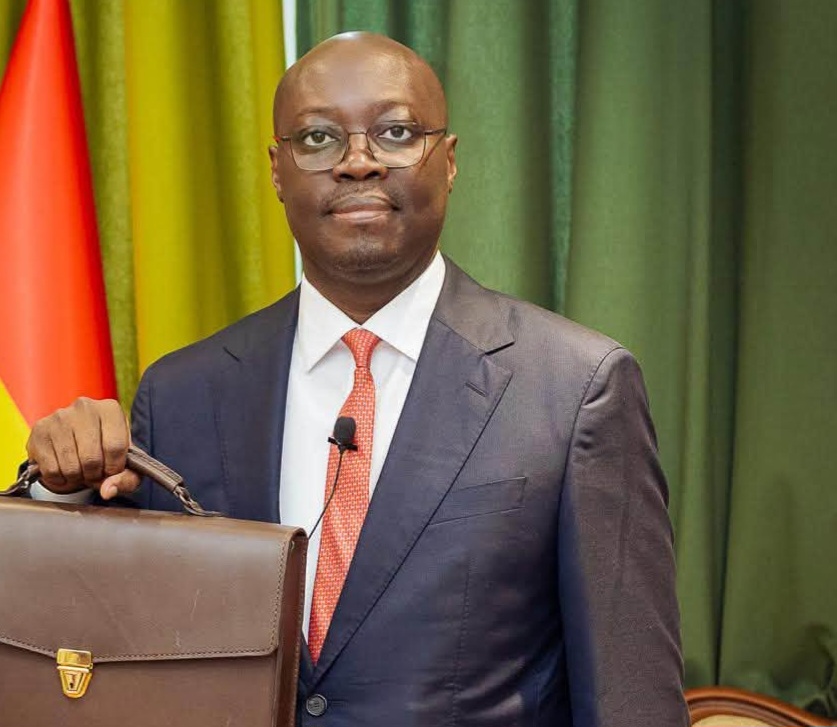
Finance Minister Dr Cassiel Ato Forson presented the 2026 Mid-Year Fiscal Policy Review to Parliament on Thursday, July 23, outlining the government’s assessment of the economy, fiscal performance and policy measures for the remainder of the year.
ICEDEG Africa, however, said the review contained no specific update on the Human Trafficking Fund or financing relating to child labour, human trafficking and associated human rights interventions.
According to the organisation, this is particularly concerning because the Mid-Year Fiscal Policy Review provides an important opportunity for government to account for progress made in implementing commitments contained in the annual national budget.
It argued that the absence of information on the Fund makes it difficult for Parliament, civil society organisations, citizens and development partners to determine how much money has actually been released and utilised for anti-trafficking interventions.
ICEDEG Africa stressed that the Human Trafficking Fund is not merely a discretionary government programme.
The Fund was established under the Human Trafficking Act, 2005 (Act 694) to support interventions including the rescue and rehabilitation of trafficking victims, temporary accommodation, medical care, education and skills development, family tracing, public awareness, research and other measures intended to combat human trafficking and support survivors.
According to ICEDEG Africa, the government made an allocation to the Fund in the 2026 main Budget, making the absence of an implementation update in the Mid-Year Review an important accountability issue.
The organisation further claimed that its independent checks showed that the last payment made by the Controller and Accountant-General’s Department into the Human Trafficking Fund was the first-quarter tranche from the amount approved under the 2026 Budget.
It alleged that no subsequent payment had been made at the time of its assessment.
ICEDEG Africa said the situation deserves attention because anti-human trafficking interventions depend on predictable and sustained financing, particularly for victim protection, investigations, prosecution, rehabilitation and preventive programmes.
The organisation warned that trafficking networks are becoming increasingly sophisticated, requiring government institutions and their partners to maintain sufficient resources to identify victims, investigate suspected traffickers and provide the necessary protection and rehabilitation services.
It therefore argued that inadequate or uncertain financing could have implications not only for human rights protection but also for the broader social and security interests.
ICEDEG Africa further expressed concern that failure to provide information on releases to the Fund could weaken parliamentary scrutiny of government expenditure.
Without clear figures on allocations, releases and utilisation, it said, Parliament and the public would find it difficult to assess whether commitments announced in the national budget are actually being implemented.
The organisation maintained that transparency surrounding statutory and other public funds is essential because budget allocations alone do not necessarily translate into resources becoming available to implementing agencies.