

BY Grace Zigah
The fragile peace in Bawku once again came under national spotlight as Majority Leader and Member of Parliament for Bawku Central, Mahama Ayariga, made a heavily guarded visit to the conflict-prone municipality, days after the government began implementing key recommendations from the final mediation report submitted by Asantehene Otumfuo Osei Tutu II on the decades-long chieftaincy dispute.

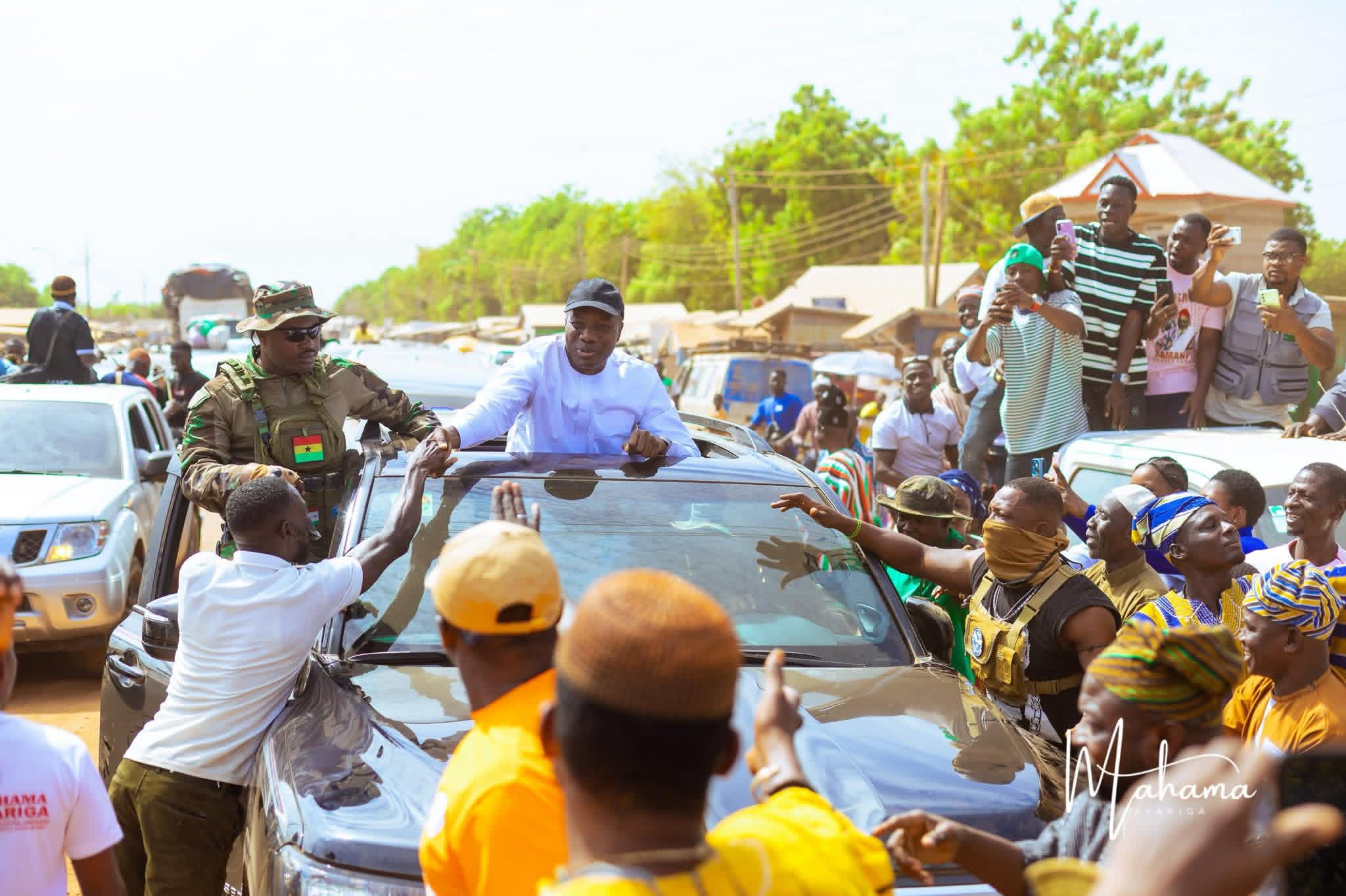
Ayariga’s visit, carried out under tight military protection, underscored the lingering volatility in the area despite recent government interventions aimed at stabilising the situation.
The Bawku Central MP has not been to the constituecy since the escalation of the conflict earlier this year.
His convoy, made up of armed soldiers and security operatives, moved cautiously through Bawku as tension remained high following renewed unrest and targeted attacks linked to the chieftaincy conflict.
The visit followed the government’s decision to act on the Otumfuo-led mediation process, which culminated in the submission of a final report recommending decisive steps to restore peace.
Central to the recommendations was the removal of the rival Mamprusi chief, Alhaji Seidu Abagre, from Bawku—a move the government has since implemented.
The action was intended to reduce tensions and reinforce the legal position that recognises Naba Asigri Abugrago Azoka II as the legitimate Bawku Naba, in line with long-standing judicial rulings.
Against this backdrop, Ayariga’s arrival in Bawku was seen as both symbolic and politically significant.
His visit came amid heightened security following recent violence, including arson attacks, sporadic shootings, and confrontations between civilians and security personnel.
In the days leading up to his visit, fears had mounted over the safety of public officials operating in the area, particularly after the burning of properties linked to political figures and the killing of civilians during clashes.
Eyewitnesses described the Majority Leader’s movement through the town as tense, with armed military personnel forming a protective ring around him at all times.
Videos circulating on social media showed him being swiftly ushered through public spaces, with many observers interpreting his hurried movements as evidence of the fragile security situation on the ground.
Despite the heavy security presence, Ayariga proceeded with his engagements.
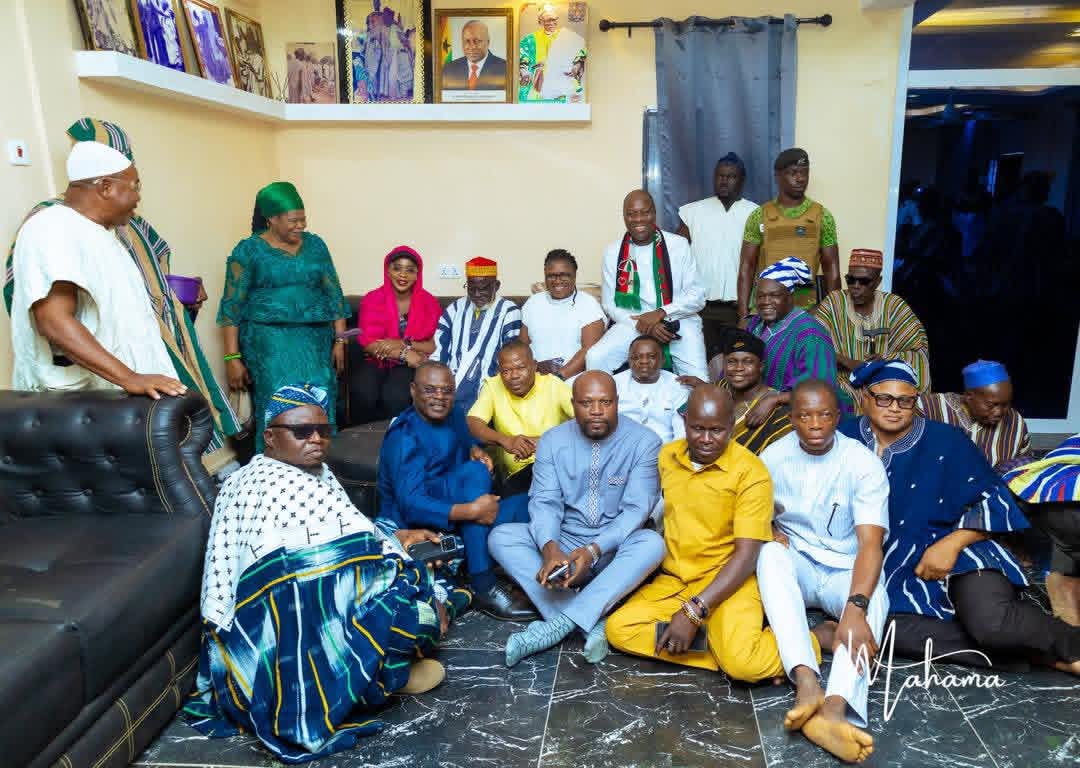
In a statement issued after the visit, he explained that he led a delegation of six Members of Parliament from the Upper East Region to Bawku as part of ongoing efforts to consolidate peace following the Otumfuo-led mediation process.
He noted that the visit was intended to demonstrate government commitment to stability, reconciliation, and development in the conflict-affected area.
As part of the visit, the delegation paid a courtesy call on the Bawku Naba, Naba Asigri Abugrago Azoka II, where discussions focused on sustaining peace, strengthening cooperation between traditional authorities and the state, and ensuring the effective implementation of the mediation outcomes.
The Majority Leader’s presence in Bawku, however, came against a backdrop of deep mistrust and unresolved grievances.
The long-running conflict between the Kusasi and Mamprusi ethnic groups—rooted in competing claims to traditional authority—has claimed numerous lives over the years and displaced many families.
Despite several peace initiatives, including judicial rulings and traditional mediation efforts, the conflict has remained stubbornly resilient.
In recent weeks, tensions escalated following violent clashes that led to deaths, injuries, and the destruction of property.
The situation prompted the deployment of additional military and police personnel, as well as high-level interventions by the Inspector-General of Police and other security chiefs.


